
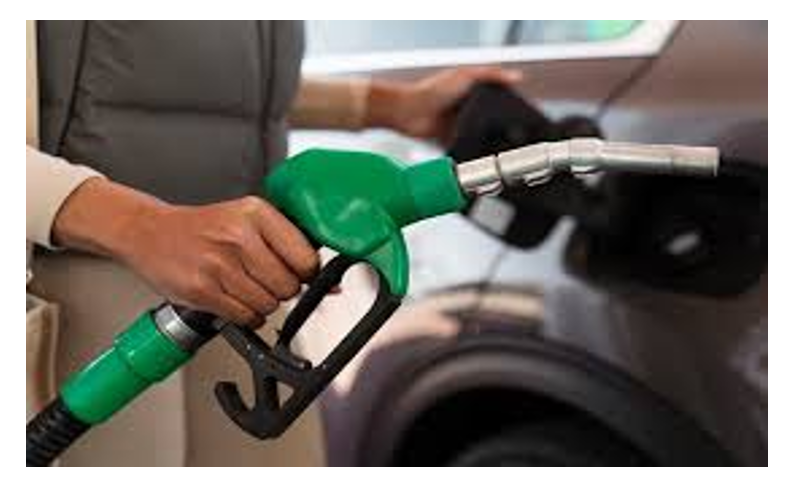
Fuel Crisis Deepens as LCCI Warns of Affordability Challenge
Nigeria’s fuel crisis is entering a more critical phase, with the Lagos Chamber of Commerce and Industry (LCCI) raising fresh concerns over the growing burden of petrol costs on businesses and everyday citizens.
In its latest assessment, the Chamber painted a troubling picture of a market under pressure from both global and domestic forces. With international crude oil prices climbing to about $112 per barrel and local pump prices rising in response, the downstream sector is facing renewed instability. Petrol prices inching toward ₦1,500 per litre have only worsened the strain, as refinery costs and supply constraints continue to mount.
At the heart of the issue, according to LCCI Director-General Chinyere Almona, is a deeper structural imbalance. Nigeria’s fuel consumption—estimated at over 50 million litres daily—remains far ahead of its domestic refining capacity. This persistent gap has left the country vulnerable to price swings and supply disruptions, fueling uncertainty across the energy market.
The economic fallout is already unfolding. From transportation to food distribution and manufacturing, rising fuel costs are cascading through key sectors, pushing up prices and shrinking profit margins. For many households, the result is a steady erosion of purchasing power in an already challenging economic climate.
Rather than reverting to price controls, LCCI is advocating a more strategic response. The Chamber is calling on the Federal Government to prioritise market stabilisation through targeted, time-bound support for critical sectors such as agriculture, transport, and small-scale enterprises—while steering clear of blanket subsidies that could distort the market.
Equally critical, LCCI noted, is the need to stabilise the naira. Exchange rate volatility continues to play a decisive role in fuel pricing, and without improved foreign exchange liquidity and policy consistency, investor confidence in the deregulated market may remain fragile.
Looking beyond short-term fixes, the Chamber emphasised the urgency of strengthening domestic refining. It urged full implementation of the Petroleum Industry Act, particularly provisions that ensure consistent crude supply to local refineries—especially the Dangote Refinery—to reduce reliance on imports.
In addition, LCCI recommended scaling up modular refinery projects and maintaining strategic fuel imports as a temporary buffer. Addressing logistical bottlenecks, foreign exchange challenges, and inefficiencies in distribution, it stressed, will be key to restoring balance in the market.
Despite the apparent upside of high global oil prices, Nigeria has struggled to reap the benefits due to production limitations and systemic inefficiencies. Instead, the economy is bearing the brunt through rising inflation, weakened industrial competitiveness, and slower growth.
Describing the current moment as a defining test for Nigeria’s energy and economic resilience, LCCI maintained that lasting stability will depend on bold structural reforms—ones that expand supply, encourage competition, and deepen transparency across the petroleum value chain.
For now, the message is clear: without decisive action, the fuel affordability crisis may continue to tighten its grip, reshaping both the cost of living and the pace of economic recovery.