Why Lagos Hoodlums Target Wealthy People, Sanwo-Olu Explains
Kehinde Adeleye
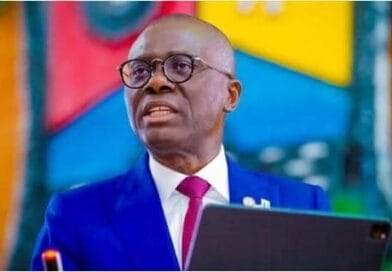
Lagos State Governor Babajide Sanwo-Olu has linked the harassment of residents and tourists by street hoodlums partly to the public display of wealth on social media, urging people to exercise restraint when showcasing their financial status online.
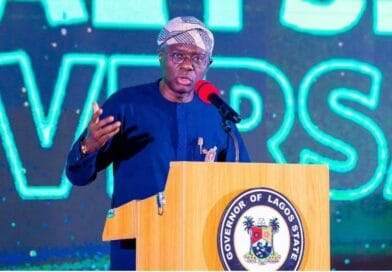
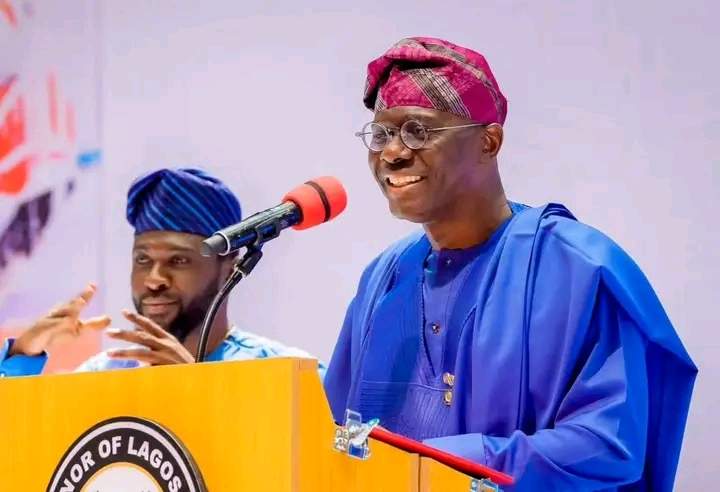
The governor made the remarks on Thursday at the Financial Times Africa Summit in London while responding to concerns about street harassment and the activities of touts, which he acknowledged could damage Lagos’ reputation as a tourist destination.
Sanwo-Olu, who joined the summit virtually from Lagos, said some social media influencers and other individuals publicly flaunted large sums of money, potentially attracting unwanted attention from people who believed they were entitled to a share of their wealth.
“What has happened is that a lot of people are using social media to express wealth, to showcase how much money they suddenly all gotten,” he said.
He criticised what he described as the shameless display of cash by some influencers seeking to impress their followers, warning that such posts could make them targets for street harassment.
“When these set of people now get accosted on the streets, it is to say that ‘we saw you yesterday posting that you have N10m cash, give us out of it’,” the governor said.
However, Sanwo-Olu stressed that displaying wealth did not justify harassment, adding that people should be able to enjoy their earnings without fear of intimidation.
“Whilst I am not going to speak that anybody should be harassed for displaying his or her wealth, I think we also can have a lot of restraint,” he said.
The governor said the problem required a broader response involving skills acquisition, social support and measures to address criminal activities.
He explained that the state government had been taking vulnerable individuals off the streets and providing opportunities for them to acquire vocational skills, although some reportedly returned to Lagos from other parts of the country.
As part of efforts to improve planning and support for residents, Sanwo-Olu disclosed that the government was working towards establishing a Lagos Resident Identity system.
According to him, the proposed system would help the government identify residents, their locations and occupations, enabling it to better understand their needs and provide appropriate assistance.
“With that we can use data to ask you what you require of government. What kind of skills do you want to learn? What kind of trade can we support you with?” he said.
Sanwo-Olu said the government needed to distinguish between people engaging in street activities because of unemployment or vulnerability and those involved in criminal conduct.
He maintained that while vulnerable individuals should receive support and opportunities to become economically productive, those involved in crime should be dealt with in accordance with the law.
“Because quite frankly, there are people that we need to take off the streets. If you are criminally inclined, it is for government to do the right thing by taking you off the streets and be able to deal with it,” he said.
The governor also announced that the state was building what he described as its largest mental health facility to provide care for people requiring mental health services and address some of the challenges associated with vulnerable individuals living on the streets.
He said the issue could not be resolved through a single intervention, stressing the need for a combination of law enforcement, vocational training, social support and mental health services.
“For the ones that are criminal, let’s also be able to deal with it. It is an hydra-headed solution,” Sanwo-Olu said.
The governor maintained that addressing street harassment was important to protecting residents and visitors while strengthening Lagos’ standing as a major destination for tourism and business.