Who Killed Toba Ijaya? Inside the Investigation into the Assassination of the Lagos NURTW Chieftain
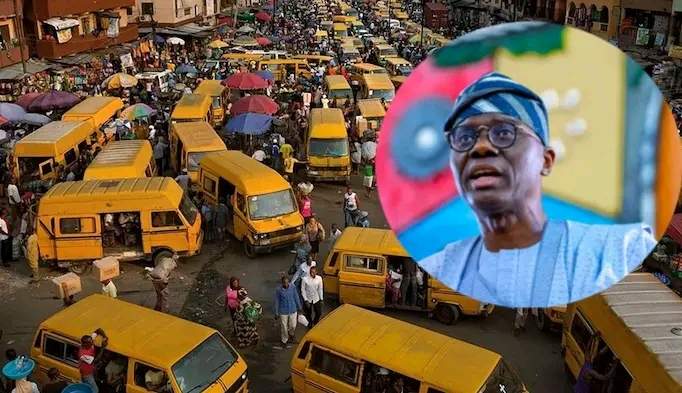
The assassination of Lagos State National Union of Road Transport Workers (NURTW) Organising Secretary, Toba Ajiboye, popularly known as Toba Ijaya, has continued to generate intense public interest, with conflicting accounts and social media speculation surrounding those allegedly linked to the attack.
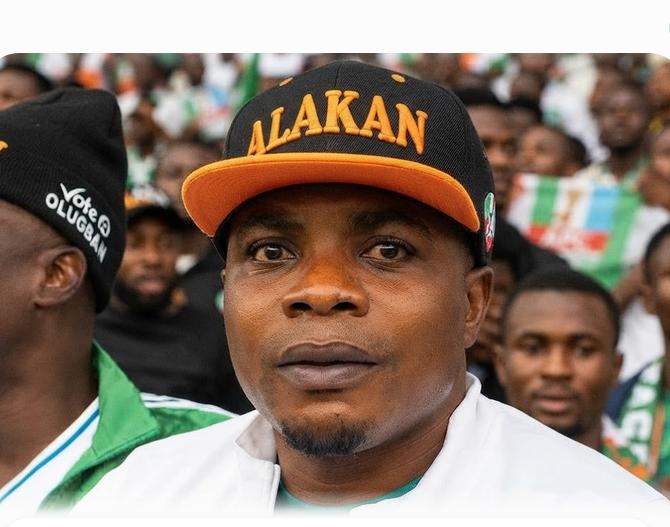
While rumours have circulated online accusing a local vulcaniser and, separately, a bricklayer of playing roles in the killing, available information indicates that there is no evidence that either man was one of the gunmen who shot the union leader. Instead, investigators are reportedly examining whether some individuals may have assisted the assassins by providing information about his movements.
Toba Ijaya was attacked on the evening of July 12, 2026, when unidentified gunmen ambushed his vehicle along the Ikorodu Road corridor in the Fadeyi area of Lagos. The attackers riddled his vehicle with bullets before fleeing the scene. Although he was rushed to the hospital alongside other occupants of the vehicle, he later succumbed to his injuries on July 14.
His death sent shockwaves across Lagos, particularly within the transport union, where he was regarded as one of the state’s most influential NURTW officials. The Lagos State Police Command immediately launched a manhunt for the attackers, while family members, transport workers and political associates called for justice.
In the days following the assassination, social media became flooded with claims that investigators had arrested a neighbourhood vulcaniser. According to the widely circulated allegation, the man mistakenly sent a voice note saying, “He is coming, be alert,” shortly after allegedly receiving ₦4,000 from the late union leader, leading to suspicions that he had inadvertently alerted the attackers.
Despite the widespread circulation of the claim, no official statement from the Lagos State Police Command has confirmed the arrest of a vulcaniser or validated the voice-note allegation. As such, the claim remains unverified.
Another line of reports linked investigators to a bricklayer identified simply as Oke, who was allegedly arrested alongside his wife. According to those reports, Oke was suspected of photographing Toba Ijaya’s vehicle and forwarding the images to a suspect identified as Suko, who reportedly fled Nigeria after the attack.
If accurate, the allegation suggests that investigators are looking beyond the gunmen to identify those who may have helped monitor or track the victim before the assassination. However, these reports have also not been officially confirmed by the police, and no court has established the guilt of any suspect.
What remains undisputed is that the actual gunmen who opened fire on Toba Ijaya have not been publicly identified. The police have continued to describe the killers as unidentified assailants while investigations remain ongoing.
The killing has also fuelled speculation about possible motives. While some online reports have suggested political or criminal undercurrents, investigators have yet to announce any definitive motive or identify those who allegedly sponsored the attack.
Toba Ijaya was buried amid emotional scenes attended by family members, transport union officials, political associates and supporters. His death drew widespread condemnation, while tributes poured in from colleagues who described him as a loyal union leader and influential grassroots mobiliser.
As the investigation continues, the central question remains unanswered: Who ordered the assassination of Toba Ijaya, and who pulled the trigger?
For now, law enforcement authorities have yet to publicly identify the gunmen or file murder charges against any suspect. Until then, allegations against individuals such as the unnamed vulcaniser or the bricklayer remain claims under investigation rather than established facts.
Residents and stakeholders have continued to urge the Lagos State Police Command to conclude its investigation and ensure that everyone involved whether as planners, informants or perpetrators is brought to justice.