The High Price of Kindness in Lagos
On a busy Monday morning along the ever-congested Third Mainland Bridge, motorists slowed as a commercial motorcyclist skidded on the rain-soaked road, throwing both rider and passenger onto the asphalt.
As traffic built up, many drivers watched from a distance. Some reached for their phones to record the scene. Only a handful stepped forward to help.
One of them was 38-year-old office worker Adewale Johnson. Without hesitation, he joined other bystanders to move the injured victims away from oncoming vehicles before calling emergency responders. But instead of being praised for his compassion, he soon found himself answering questions from police officers and curious onlookers who wanted to know whether he knew the victims.
“I was only trying to save lives,” he recalls. “But for a moment, I felt like I had become a suspect.”
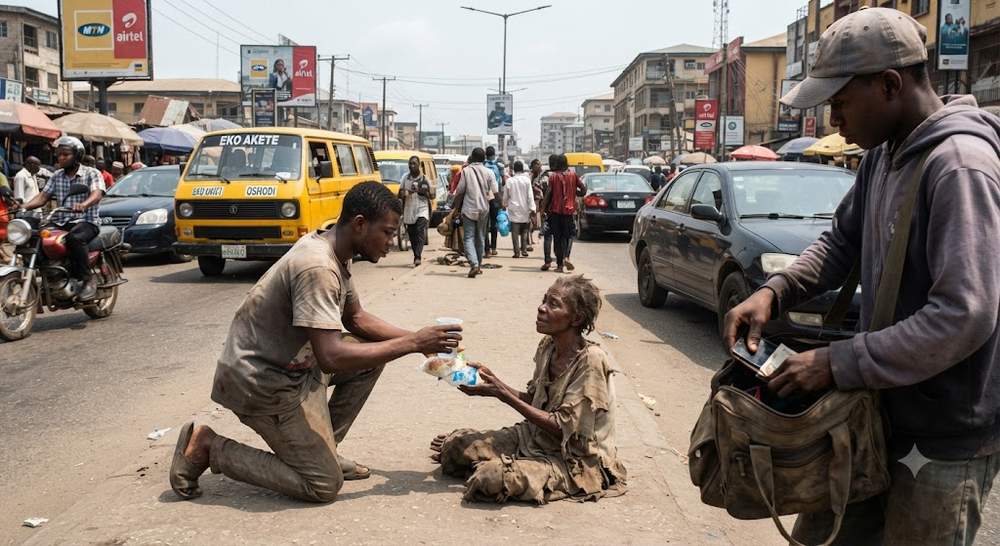
His experience reflects a growing dilemma in Lagos, where many residents say showing kindness to strangers can come at a personal cost.
Across Nigeria’s commercial capital, stories abound of Good Samaritans who stop to assist accident victims, stranded commuters or vulnerable people, only to face harassment, intimidation, extortion or lengthy questioning before they are eventually cleared.
The fear is not entirely unfounded. Lawyers and human rights advocates say many Nigerians hesitate to intervene during emergencies because they worry about being wrongly implicated, detained or forced into expensive legal battles. In some cases, witnesses have reported being asked to provide repeated statements or spend hours at police stations after helping injured strangers.
Yet despite these concerns, acts of compassion continue to emerge every day in Lagos.
During periods of severe flooding this rainy season, residents in areas such as Lekki, Ajah, Iyana-Oworo and parts of Ikorodu formed informal rescue teams to push stalled vehicles, carry children through flooded streets and help elderly neighbours reach safer ground. Social media was filled with videos showing young men pulling trapped motorists from submerged roads and helping commuters cross flooded highways after heavy downpours.
Transport workers also witness kindness daily. At major bus terminals including Oshodi, Ojota and Berger, commuters often contribute money to help stranded passengers return home after losing wallets or being unable to complete digital payments because of network failures.
Hospital workers tell similar stories. In public hospitals across Lagos, relatives of patients frequently rely on complete strangers to donate blood or contribute towards emergency medical bills through community fundraising efforts organised both offline and on social media.
For emergency responders, however, hesitation remains one of the biggest challenges.
Officials with the Lagos State Ambulance Service (LASAMBUS) have repeatedly urged residents not to abandon accident victims or delay contacting emergency services. They say the first few minutes after a crash often determine whether a victim survives, making timely intervention crucial.
Security experts also advise Good Samaritans to protect themselves while helping others. Rather than moving seriously injured victims unnecessarily, they recommend immediately calling emergency responders, documenting the scene where possible and ensuring other witnesses are present during any intervention.
Legal practitioners argue that Nigeria needs stronger public awareness around the rights of rescuers and clearer protections for citizens who act in good faith during emergencies. Many countries operate “Good Samaritan” legal protections that shield people from liability when they voluntarily provide reasonable assistance to someone in danger. While Nigeria has emergency response laws and public safety guidelines, advocates say greater legal clarity could encourage more people to help without fear.
Religious leaders and civil society organisations continue to encourage compassion despite the risks, insisting that society cannot afford to lose its sense of humanity.
“We cannot become a society where everyone simply records tragedies on their phones because they are afraid to help,” says a Lagos-based community volunteer. “Someone you save today could be someone who saves your own family tomorrow.”
In a city of more than 20 million people, where road accidents, medical emergencies and unexpected crises are part of daily life, kindness remains one of Lagos’ most valuable—and sometimes most costly—currencies.
For every person who chooses to walk away, another still stops to lend a hand, proving that even in a city known for its relentless pace, compassion continues to survive against the odds.