Sanwo-Olu Highlights Infrastructure, Innovation Drive as Lagos Eyes $300bn Economy
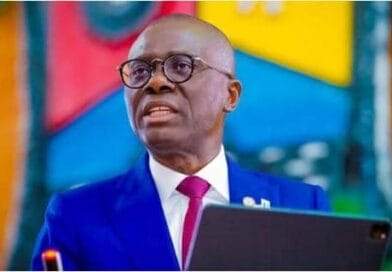
Lagos State Governor, Babajide Sanwo-Olu, has reaffirmed his administration’s commitment to transforming Lagos into Africa’s leading investment destination, projecting the state’s economy to reach a $300 billion valuation through strategic investments in infrastructure, technology, trade and financial services.
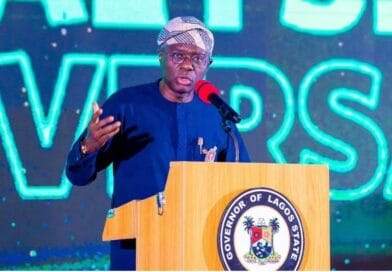
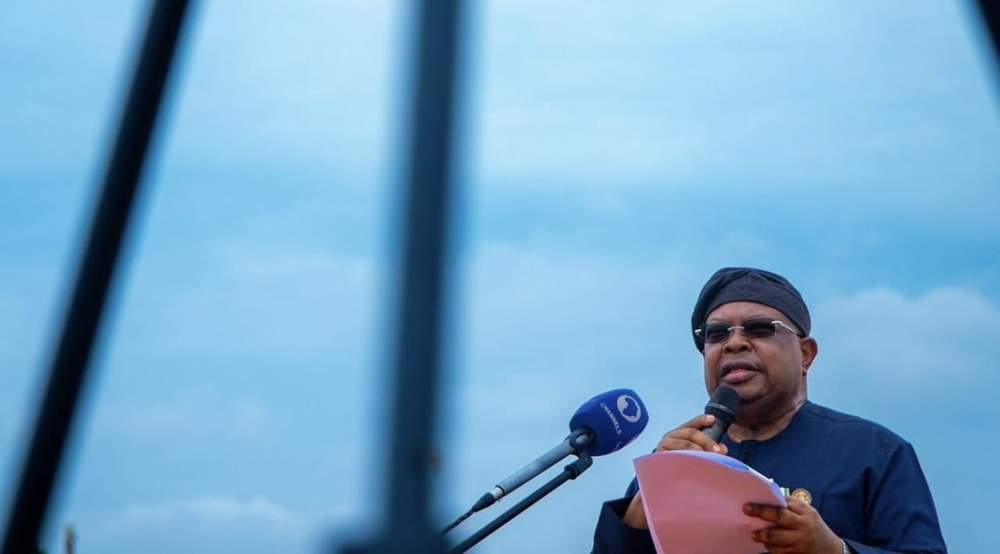
Speaking on Monday at the third edition of the Invest Lagos Summit, the governor said Lagos was deliberately positioning itself as a globally competitive economy driven by innovation, infrastructure development and strong private-sector participation.
The summit attracted top government officials, investors, development finance institutions and business leaders, including Vice President Kashim Shettima, governors from several states and international stakeholders.
Sanwo-Olu highlighted the state’s economic progress in recent years, noting that targeted reforms in transportation, digital infrastructure and industrial development had strengthened investor confidence and enhanced economic growth.
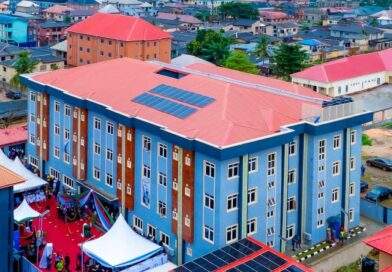
According to him, investments in road networks, rail transportation and waterways have become critical enablers of commerce and business expansion across the state.
He added that Lagos was increasingly serving as a gateway to African markets and global capital, leveraging opportunities under the African Continental Free Trade Area (AfCFTA).
“We are the most attractive destination within the AfCFTA ecosystem and the largest sub-national economy in Africa. Our demographic advantage, market size and connectivity continue to strengthen our competitiveness,” the governor said.
Sanwo-Olu also disclosed that the state was developing the Lagos International Financial Centre (LIFC), a world-class financial district designed to strengthen Lagos’ position as a major gateway for investment into Africa.
Also speaking at the summit, Minister of Finance and Coordinating Minister of the Economy, Taiwo Oyedele, said ongoing economic reforms had created a more stable investment climate and shifted attention towards opportunities available at the sub-national level.
According to him, Nigeria’s external reserves have improved significantly, rising from a net position of less than $4 billion two years ago to over $30 billion net and nearly $50 billion gross.
He further stated that Nigeria recorded a growth rate of 3.89 per cent in the first quarter of 2026, while the economy expanded by 11.2 per cent in dollar terms in 2025.
Oyedele noted that recent sovereign credit rating upgrades by S&P Global, Fitch Ratings and Moody’s reflected growing investor confidence in Nigeria’s economic direction.
On fiscal reforms, he explained that the government was focused on expanding the tax base and improving efficiency rather than increasing the tax burden on citizens.
The minister disclosed that a dedicated investment facilitation platform was being established to connect investors with viable projects and address regulatory bottlenecks across the country.
In her keynote address, Commonwealth Secretary-General, Shirley Botchwey, described Lagos as a city that has moved “from promise to performance,” citing the success of home-grown fintech firms as evidence of Africa’s capacity to build globally competitive businesses.
She stressed that investors now place increasing value on trust, talent, market opportunities and regulatory certainty when making investment decisions.
Botchwey also called for inclusive growth strategies, warning that economic expansion that leaves large segments of society behind would be difficult to sustain.
The Invest Lagos 3.0 Summit brought together policymakers, investors, business executives and development partners to explore opportunities across infrastructure, energy, healthcare, manufacturing, logistics and the digital economy as Lagos seeks to consolidate its status as Africa’s leading commercial and investment hub.