
Makoko Pupils Get Fresh Hope as NGOs Support 148 Children with Back-to-School Initiative
By Sherif Salau

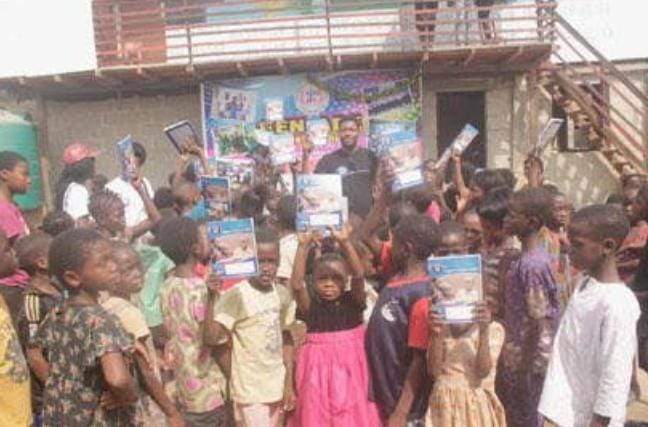
A refreshed sense of hope is sweeping through Makoko as 148 pupils receive back-to-school support from non-governmental organisation’s (NGOs), easing some of the barriers to education and giving the young learners a stronger start to their academic journey. The children recently received new school materials in a back-to-school drive organised by Afriimpact Development Organisation in partnership with STEMi Makers of Africa.
Makoko, Lagos’s sprawling lagoon settlement, has long tested the resolve of its youngest residents. Many parents struggle to replace worn exercise books, pencils and other basics after schools reopen. Rosemary Chidera Onugha, founder and programme lead of Afriimpact, said her team observed the problem more than a month into the new term: pupils still relying on last term’s books, some sharing a single notebook across subjects. The lack of materials, she noted, quietly erodes a child’s confidence and ability to participate fully in class.
“Seeing a child hold a brand-new book is a reminder that access to learning materials can spark a question, inspire an idea, and keep a child in school,” the partnering organisations stated. The donation, delivered under Afriimpact’s Back to School Education Initiative, aimed to give these pupils a fairer start, in line with Sustainable Development Goal 4 on quality education. Onugha emphasised that the collaboration with STEMi Makers of Africa made it possible to reach more learners and equip them more thoroughly so they could engage with greater assurance.
The children responded with the uncomplicated joy that comes from something new and useful. School authorities welcomed the support, recognising how such interventions ease the burden on families already navigating the daily challenges of life on the water. Parents in Makoko often weigh school needs against more immediate demands of food and shelter; the arrival of fresh supplies removed one practical barrier that can push attendance and performance downward.
Onugha advised parents to prioritise their children’s basic educational needs without feeling they must provide everything at once. Small, consistent steps, she suggested, can still keep a child learning. The partners also pointed to the broader value of cooperation between schools, community organisations and other stakeholders in tackling educational gaps that government efforts alone have not fully closed in informal settlements like Makoko.
In a community where opportunities can feel distant, they offer a tangible signal that someone is paying attention. Whether the support sustains momentum through the rest of the term will depend on continued partnership and parental follow-through. Yet on the day the supplies arrived, the classrooms of Progress Nursery and Primary School held a simpler truth: for a moment, the path to learning looked a little clearer for children who rarely get an easy start.