Lagos Power Sector Gets Fresh Hope as Customs Unlocks 20-Year-Old Equipment Bottleneck at Apapa Port
By Sherif Salau

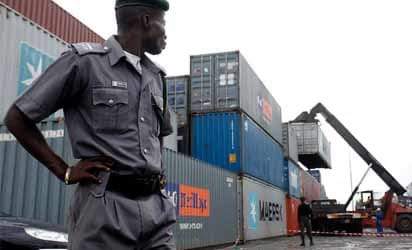
Lagos’ quest for improved electricity infrastructure has gained fresh momentum as the Nigeria Customs Service clears 98 containers of power equipment, ending more than 20 years of delays at Apapa Port. For nearly two decades, rows of sealed containers sat idle at Lagos ports while the nation’s power grid strained under persistent shortages. Today, that long wait began to end.
The consignments hold high-capacity transformers, cables, switchgear and other materials originally imported for projects under the Federal Ministry of Power, the Transmission Company of Nigeria and the Niger Delta Power Holding Company. Comptroller-General of Customs Adewale Adeniyi, speaking at the flag-off of the exercise alongside Power Minister Joseph Tegbe, said the clearance followed a direct order from President Bola Tinubu after the matter was raised at a Federal Executive Council meeting.
“In line with that presidential directive, this service has commenced the immediate clearance of more than 200 containers of power equipment,” Adeniyi said. “Today, I am here with the Honourable Minister of Power to flag off the release of the first 44 containers from ENL Terminal. Another 54 containers at other terminals in Tin-Can Port and other ports will also be released.”
Demurrage charges that had piled up over the years were waived with the approval of the Minister of Finance, removing one of the main administrative barriers that had kept the equipment locked away. Officials described the containers as assets acquired to expand the transmission network, relieve overloaded substations and strengthen the country’s capacity to deliver electricity.
For Lagos, the country’s largest commercial centre and a major consumer of power, the development carries particular weight. Reliable transmission infrastructure remains one of the missing links in efforts to stabilise supply across the state. Technical teams will now inspect the released equipment to determine what remains serviceable and can be deployed to ongoing projects, while obsolete items will be disposed of appropriately.
The breakthrough ends a chapter of institutional inertia that had left valuable public assets wasting on the docks. Whether the freed equipment can still deliver meaningful improvement will depend on how quickly it is assessed, transported and installed. Yet for a city and a country long accustomed to power shortages, the sight of those containers finally leaving the port offers a rare and tangible sign of progress.