Lagos Drivers, Commuters Set For CNG Boost As Government Plans Five New Refuelling Stations
By Sherif Salau
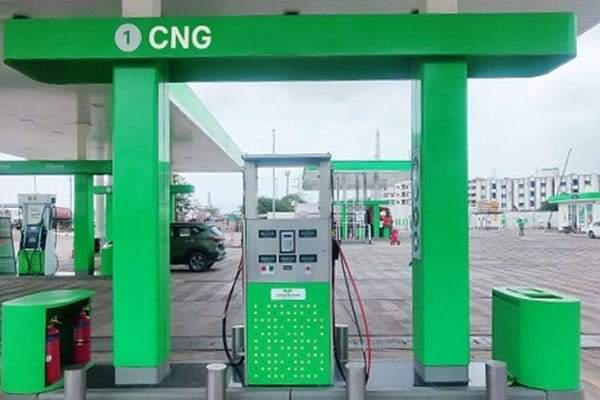
Lagos motorists and commuters are set to benefit from improved access to cleaner and potentially more affordable fuel as the state prepares to commission five additional Compressed Natural Gas (CNG) refuelling stations in November, advancing its drive towards a 29-station network by the first quarter of 2028.
That constraint is about to ease. The Lagos State Government plans to commission five additional CNG refuelling stations this month, with the facilities expected to come online by November 12. The move forms part of a broader push to expand the state’s CNG network from a handful of operational sites to 19 stations by the first quarter of 2027, and 29 by the first quarter of 2028.
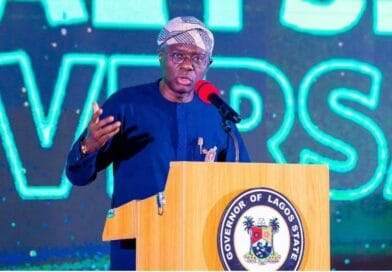
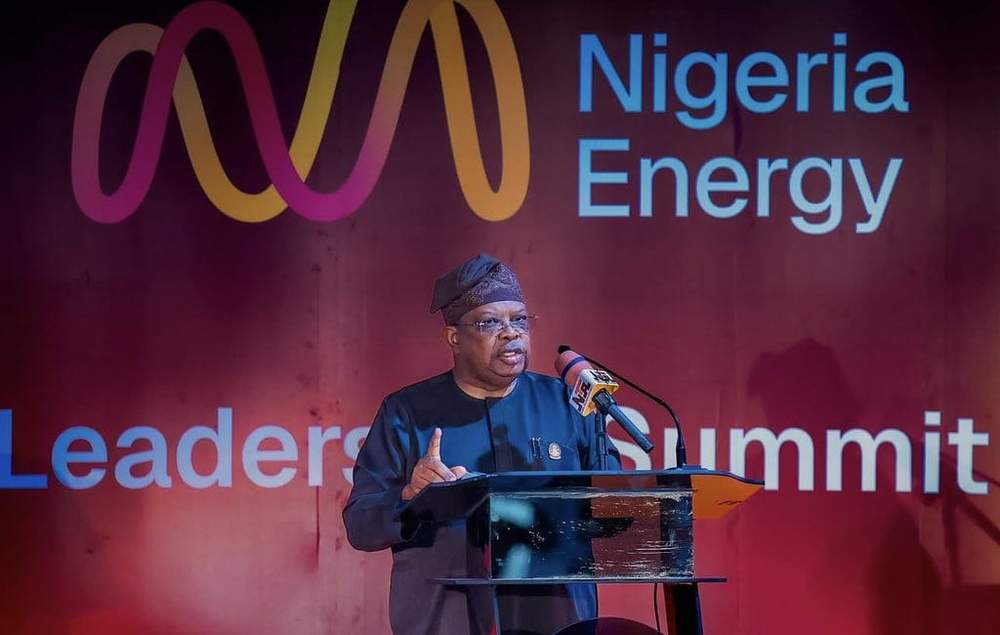
Tayo Gbajumo, Managing Director of Ibile Oil and Gas Corporation, disclosed the plans during a media briefing ahead of the 2026 Lagos Energy Summit. Working with the Ministry of Energy and Mineral Resources, the government aims to spread access beyond the existing stations in Agege, Ojota and Oshodi (with some reports also listing Ikorodu among the operational sites). Long queues at those locations have become a familiar complaint, often forcing motorists to wait for hours or travel farther afield in search of gas.
“Infrastructure is the most important thing. That is why there are long queues, but we are trying to reduce them by increasing the infrastructure,” Gbajumo said. The five new stations this month will mark an immediate step. By early 2027 the network should reach 19 facilities across different parts of the state, with another 10 planned thereafter to improve coverage.
For many drivers the economic case is already compelling. Converting a petrol vehicle to run on CNG typically costs between ₦700,000 and ₦1 million, depending on the kit and standards used. Once converted, the savings are significant: filling a 60-kilogramme tank costs around ₦5,000 and can deliver roughly 200 kilometres of range, depending on driving conditions. In a city where fuel expenses form a major share of operating costs for commercial operators, those figures matter.
Yet the benefits have not fully reached passengers. Gbajumo noted that while operators have cut their own fuel bills, many have yet to pass the savings on in the form of lower fares. He called for greater engagement by regulators to ensure the cost advantage translates into more affordable public transport.
The Lagos expansion sits within a wider national effort. The Federal Government has prioritised CNG as a response to the removal of the petrol subsidy, commissioning major stations and ordering hundreds more facilities nationwide. Lagos, as the country’s commercial hub with millions of vehicles on its roads, remains a critical test case. Success here will depend not only on building stations but on ensuring reliable supply, safe conversions and consistent operations.
Commuters may eventually feel the difference in their daily transport costs. And the city takes another step toward a transport system less dependent on expensive liquid fuels. The real test, as always in Lagos, will be how quickly the new infrastructure is put to work and whether the promised relief reaches the people who need it most. For now, the immediate prospect of five new stations offers practical relief. Drivers who have endured the queues will have more options.