
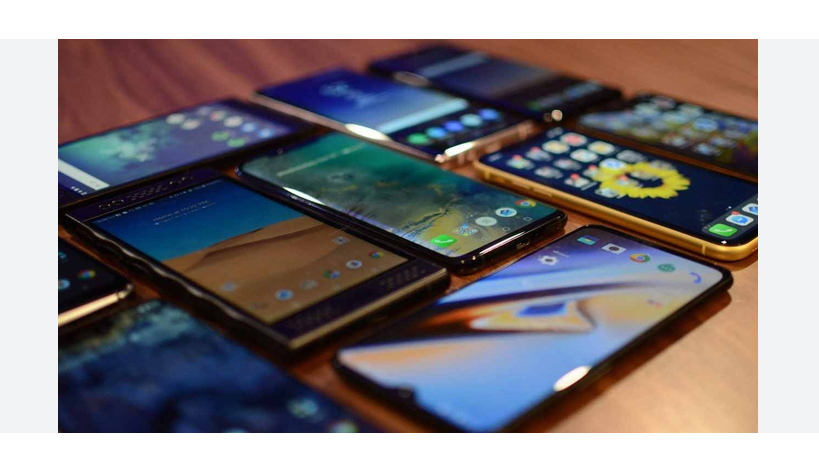
How Young Nigerians Build Businesses With Smartphones
On a busy morning in Lagos, 25-year-old content creator Daniel Akinola begins his workday without stepping into an office. Sitting in a roadside café with a power bank, a budget smartphone and a reliable internet connection, he edits short-form videos for clients in Nigeria, Ghana and the United Kingdom.
By midday, he has delivered two projects, responded to new inquiries on WhatsApp and posted fresh content on TikTok—all from a device that fits into his pocket.
For millions of young Nigerians, this has become the new reality of work.
In a country where unemployment and underemployment remain major challenges, smartphones are no longer just tools for chatting or entertainment. They have become portable offices, helping young people earn a living through social media management, digital marketing, photography, online retail, graphic design, virtual assistance, copywriting, video editing, affiliate marketing and content creation.
The rise of Nigeria’s digital economy has created opportunities that barely existed a decade ago. Instead of waiting for traditional office jobs, many young people are turning their smartphones into income-generating tools, serving clients across the country and around the world.
Twenty-eight-year-old beauty entrepreneur Deborah Okafor runs her skincare business almost entirely from her phone. Orders arrive through Instagram, Facebook and WhatsApp Business. Payments are confirmed digitally, while deliveries are arranged through logistics companies using mobile apps.
“I don’t own a physical shop,” she says. “Everything happens on my phone. My customers discover my products online, place orders online and pay online.”
Her experience reflects a broader trend among small business owners who now depend heavily on digital platforms to reach customers beyond their immediate communities.
In Abuja, freelance graphic designer Ibrahim Musa says his smartphone helped him secure his first international client.
“I started by designing flyers for local businesses,” he explains. “Today, most of my work comes from referrals on LinkedIn and freelance platforms. Sometimes I create concepts on my phone before finishing larger projects on my laptop.”
For many digital entrepreneurs, however, owning a laptop remains a future goal rather than a starting requirement.
The creator economy has also become a major source of income for young Nigerians. TikTok, Instagram, Facebook, YouTube and X have evolved into business platforms where influencers, comedians, educators and lifestyle creators earn through brand partnerships, advertising, subscriptions and product promotions.
Some creators now manage entire businesses using smartphones—shooting videos, editing content with mobile applications, publishing posts, engaging audiences and analysing performance without expensive studio equipment.
The boom has been fuelled by growing smartphone adoption and expanding internet access across the country. Telecommunications companies continue to invest in network expansion, while affordable Android devices have made digital entrepreneurship more accessible than ever before.
Yet success does not come without obstacles.
High data costs remain one of the biggest challenges facing digital entrepreneurs. Frequent electricity outages mean many spend additional money charging devices at commercial charging centres or purchasing power banks and generators.
Poor internet connectivity in some locations can delay client work, while rising inflation has increased the cost of running even small online businesses.
“There are days when electricity disappears for 18 hours,” says Lagos-based social media manager Faith Eze. “You spend money on data, then spend more just to charge your phone. It affects productivity.”
Competition has also intensified.
With thousands entering the digital marketplace every month, standing out requires consistency, creativity and continuous learning. Many young entrepreneurs invest time in free online courses, webinars and YouTube tutorials to improve their skills and remain competitive.
Digital finance has played an equally important role in this transformation. Mobile banking, fintech platforms and digital payment services have made it easier for entrepreneurs to receive payments instantly, pay suppliers and manage business transactions without visiting physical bank branches.
Government agencies and private organisations have also expanded digital skills initiatives in recent years. Programmes focused on coding, digital marketing, artificial intelligence, creative design and entrepreneurship are equipping thousands of young Nigerians with skills that can be monetised using little more than a smartphone and an internet connection.
Economic analysts believe the trend reflects a broader shift in Nigeria’s labour market. As technology continues to reshape employment, flexible digital work is becoming an increasingly attractive option for young people seeking financial independence.
For many, the smartphone represents more than technology.
It is a camera, a cash register, an editing suite, a customer service desk, a marketing agency and, above all, a gateway to opportunity.
Whether selling fashion accessories from Aba, editing videos in Kano, managing social media accounts from Lagos or teaching online classes from Port Harcourt, thousands of young Nigerians are proving that success no longer depends solely on securing an office job.
Sometimes, all it takes to launch a business is one smartphone, one idea and the determination to keep going, even when the odds are stacked against you.