FESTAC, Alakija and Trade Fair stations to extend rail services to more Lagos commuters
Lagos Blue Line Expansion: Three New Stations to Open by February 2027
FESTAC, Alakija and Trade Fair stations to extend rail services to more Lagos commuters
Lagos residents along the FESTAC, Alakija and Trade Fair corridor are set to enjoy improved access to rail transportation as the Lagos State Government plans to open three additional stations on the Lagos Rail Mass Transit (LRMT) Blue Line by the end of February 2027.
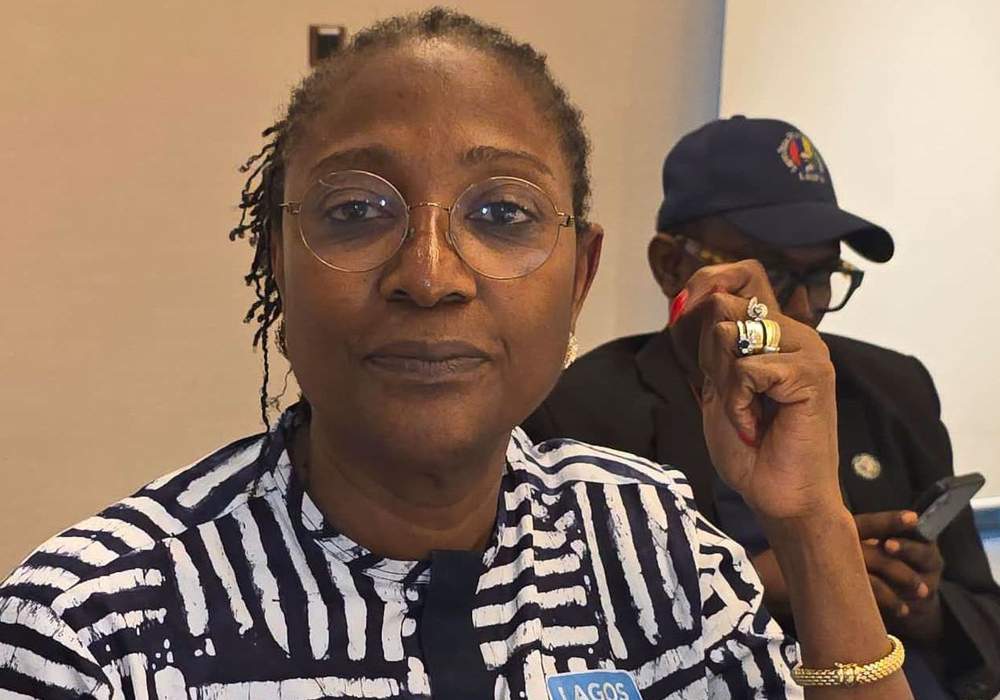
The Managing Director of the Lagos Metropolitan Area Transport Authority (LAMATA), Engr. Mrs. Abimbola Akinajo, announced the planned expansion at the 2026 Media Parley organised by the Lagos State Ministry of Transportation in Lagos.
The three new stations will increase the number of operational Blue Line stations from five to eight, extending the reach of the rail network and bringing mass transit closer to residents in more communities.
The stations are expected to serve commuters travelling through FESTAC, Alakija and Trade Fair, areas where improved access to reliable public transportation could provide an alternative to road travel and ease the pressure on Lagos’ busy transport corridors.
Akinajo said the stations were scheduled to commence operations in the first quarter of 2027, with the target date set for the end of February.
The expansion represents another phase in Lagos State’s efforts to develop an integrated public transportation system capable of responding to the mobility challenges of its growing population.
Extending the reach of the Blue Line
The Blue Line currently operates five stations: Marina, National Theatre, Iganmu, Alaba and Mile 2.
The addition of FESTAC, Alakija and Trade Fair will extend the operational network beyond its existing terminus at Mile 2, giving more residents access to rail services and potentially reducing their dependence on buses, minibuses and other road-based transport options.
For commuters along the corridor, the new stations could make daily journeys more convenient by providing additional access points to the rail network. They could also improve connections between residential communities, commercial centres and other destinations across Lagos.
The expected benefits, however, will depend on reliable train services, effective connections with other transport modes and the ability of the expanded network to accommodate passenger demand.
As Lagos continues to experience population growth and increasing pressure on its road infrastructure, the expansion of rail transportation is becoming an important part of the state’s strategy to improve urban mobility.
Bus corridors and interchange hubs near completion
Beyond the Blue Line expansion, the LAMATA managing director disclosed that four Quality Bus Corridors (QBCs) were nearing completion.
She also reported considerable progress on construction work at the Marina and Mile 2 Interchange Hubs.
The projects are designed to complement the rail network by improving the movement of passengers between different modes of transportation.
When effectively integrated, the rail stations, bus corridors and interchange hubs could make public transportation more accessible and convenient, allowing commuters to transfer between trains and buses with less difficulty.
The Marina and Mile 2 hubs are particularly important to the wider transport network because of their roles as connection points for passengers travelling through different parts of the state.
The development of these facilities reflects the government’s broader approach to transportation planning, which seeks to move beyond isolated infrastructure projects towards a coordinated system of rail, bus and interchange services.
The challenge of delivering a seamless transport system
While the planned opening of the three stations marks an important milestone, the wider test will be how effectively the new facilities improve the daily commuting experience.
For residents to fully benefit, the stations must be supported by accessible feeder buses, convenient pedestrian routes, adequate passenger facilities and dependable train operations.
Affordable fares and efficient connections with other public transport services will also be important in encouraging more commuters to adopt rail transportation.
The expansion is therefore not simply about increasing the number of stations. It is also about ensuring that the additional infrastructure delivers practical benefits to residents who face long journeys, traffic congestion and rising transportation costs.
If supported by effective planning and reliable operations, the new stations could strengthen the Blue Line’s contribution to Lagos’ public transportation network.
A new phase for Lagos rail transportation
The planned opening of the FESTAC, Alakija and Trade Fair stations by February 2027 signals a further extension of modern rail transportation to communities beyond the Blue Line’s existing operational reach.
Together with the four Quality Bus Corridors nearing completion and the progress on the Marina and Mile 2 Interchange Hubs, the expansion forms part of Lagos State’s continuing investment in a more connected public transportation system.
For thousands of commuters travelling along the FESTAC–Alakija–Trade Fair corridor, the next major milestone will be the commencement of passenger services at the new stations.
Their opening could bring rail transportation within easier reach of more Lagos residents and strengthen efforts to build a more efficient, accessible and sustainable urban transport system.