Explainer: How NIWA’s 10-Year Plan Could Transform Lagos Waterways
Kehinde Adeleye
For years, indiscriminate dumping of waste into Lagos waterways has created serious environmental and economic concerns, affecting navigation, aquatic life, fishing communities, water-based tourism and the safety of people who depend on the waterways for transportation and livelihoods.
To address the challenge, the National Inland Waterways Authority (NIWA) and Parts Central Limited have launched a 10-year renewable initiative designed to establish a structured system for collecting and disposing of waste generated by boats, jetties, landing ports and waterfront facilities across Lagos State.
What is the initiative about?
The programme is designed to move Lagos away from an informal system where waste from boats, businesses and waterfront communities can end up in the waterways, towards a coordinated collection and disposal system involving operators across the maritime environment.
Boats and other watercraft will be provided with designated waste bins, while larger “mother bins” will be positioned at jetties to enable operators to transfer collected waste whenever they dock.
Parts Central Limited also plans to deploy technology to support waste collection across waterfronts, jetties and landing ports.
Why does clean waterway matter?
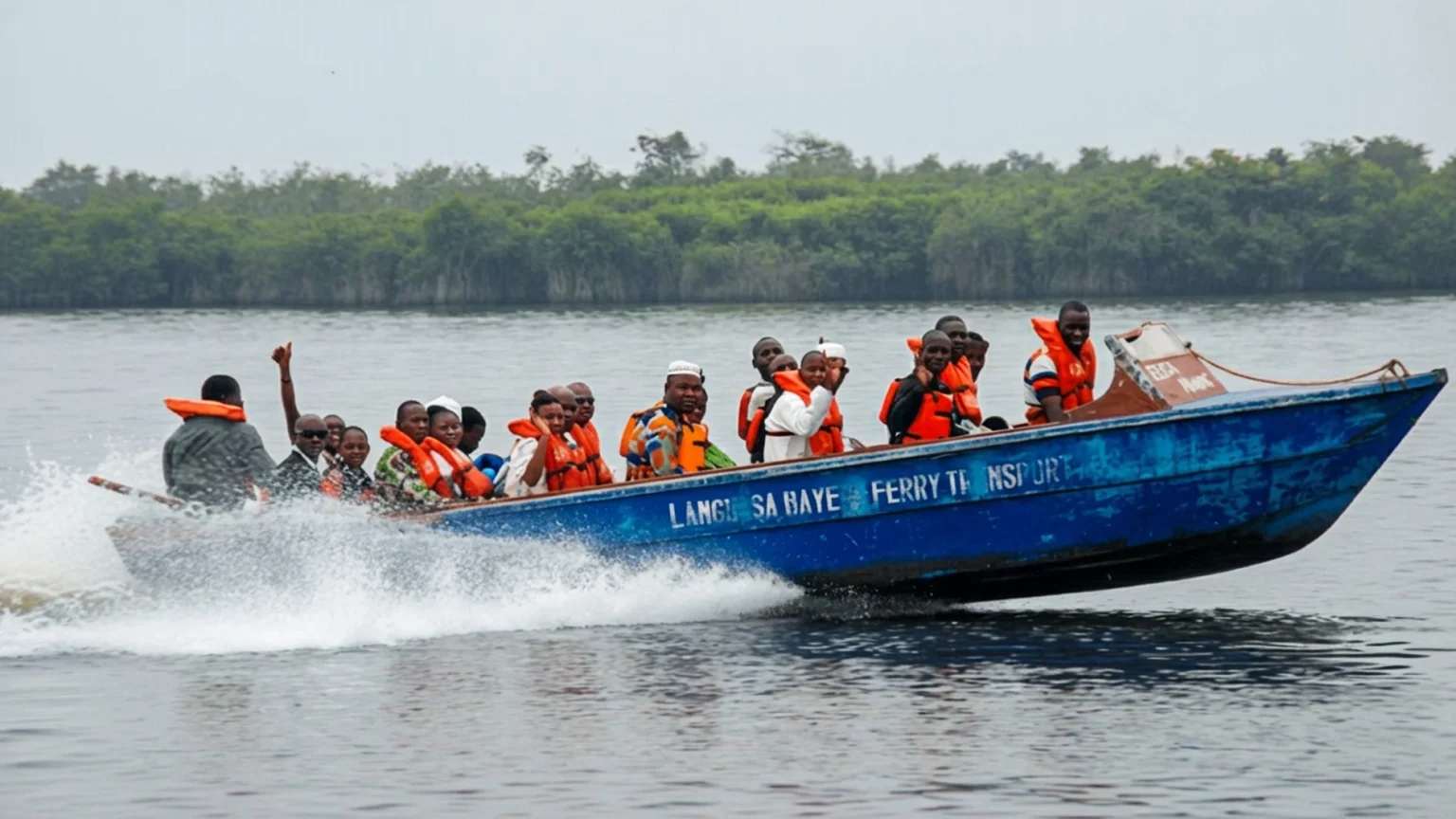
The condition of Lagos waterways has implications far beyond the environment, as waste and other obstructions can interfere with navigation, increase safety risks and undermine economic activities that depend on the waterways.
For fishermen, pollution and environmental degradation can affect aquatic life and fishing activities, while boat operators and passengers face greater risks when waterways become obstructed or unsafe.
Lagos State Commissioner for Waterfront Infrastructure Development, Ekundayo Alebiosu, also raised concerns over illegal dredging, warning that the practice could disturb the underwater environment, threaten aquatic life and force fishermen to travel farther in search of fish.
Could it improve safety?
Stakeholders believe it could, particularly if waste is prevented from accumulating along major navigation routes and operators comply with safety and environmental standards.
The Deputy Commissioner of Police at the Maritime Police Command, Udu Ogechi, described waterways protection as both an environmental and security responsibility, noting that unsafe waterways could increase the risk of boat accidents and loss of lives.
What does tourism have to do with it?
Cleaner waterways could also strengthen Lagos’ water-based tourism industry by making boat transportation safer and improving the experience of visitors.
The President of the National Association of Nigerian Travel Operators, Bolaji Mustapha, recalled an incident where a tourist boat carrying foreign visitors became stuck on the waterways, noting that such experiences could influence how international tourists perceive Nigeria.
She therefore called for stronger awareness campaigns among waterfront communities and waterway operators to encourage responsible use of the waterways.
Who is responsible?
The success of the programme will depend heavily on the cooperation of boat operators, waterfront owners, jetty managers, dredging companies, businesses and communities operating along Lagos waterways.
NIWA has urged waterfront owners to provide proper waste disposal facilities, while companies operating around the waterways are expected to ensure that their waste is properly treated and disposed of.
What is the bigger goal?
The initiative is expected to support the development of Nigeria’s blue economy by creating cleaner and safer waterways that can sustain transportation, fishing, tourism and other economic activities.
However, the major challenge will be ensuring that the 10-year plan goes beyond launching ceremonies and becomes a sustainable system that changes how waste is generated, collected and disposed of across Lagos waterways.
In essence, the initiative is not just about removing waste from the water; it is about creating a system that prevents the waste from getting there in the first place.