Epe Bets on Tourism to Boost Local Economy
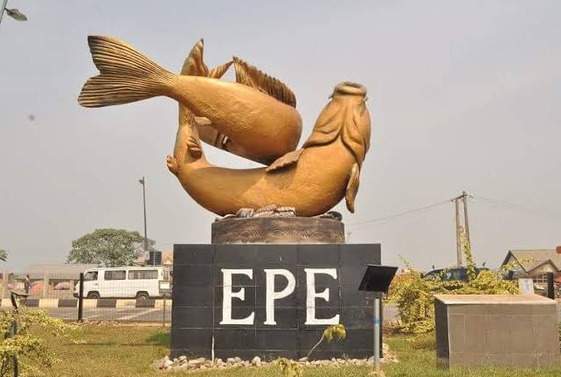
Long celebrated as Lagos’ fishing hub, Epe is gradually reinventing itself as one of the state’s most promising tourism destinations.
Its scenic waterfront, thriving fish markets, lush mangrove forests and vibrant cultural heritage are drawing increasing numbers of visitors. Yet, as tourism grows, many residents are asking a crucial question: who is truly benefiting from the boom?
Over the past few years, Epe has become a popular escape for Lagosians seeking nature, relaxation and authentic cultural experiences. Weekend tourists now flock to the town to enjoy boat rides, sample fresh seafood, explore historical landmarks and experience a slower pace of life away from the bustle of Victoria Island and Lekki.
At the centre of this tourism surge is the renowned Oluwo Modern Fish Market, where fishing boats arrive daily with fresh catches of fish, prawns, crabs and other seafood. Beyond serving as one of Lagos’ busiest seafood markets, the location has become a tourist attraction in its own right, offering visitors a firsthand glimpse into the community’s centuries-old fishing tradition.
For Abisola Ogunleye, who has traded fish in the market for over a decade, the increase in visitor traffic has translated into higher sales.
“Many people now visit the market not just to buy fish but to experience the atmosphere,” she said. “They take photographs, eat fresh seafood and often buy more than they originally planned.”
Fishermen say tourism has created new customers for their catch, but rising operational costs continue to eat into their earnings.
“We sell more fish during weekends and festive periods when visitors come,” said local fisherman Tunde Balogun. “But fuel prices, fishing equipment and transportation costs keep rising, so our profits are still under pressure.”
Tourism activities now extend beyond the famous fish market. Visitors increasingly explore Epe’s tranquil waterfront, mangrove ecosystem, traditional palace and recreational centres, while resorts and hospitality businesses report stronger patronage during weekends and holiday periods.
Hotel owners, restaurant operators, boat operators and transport providers say the influx of tourists has created new business opportunities and generated employment for many young people within the community.
“When visitors stay overnight, everyone earns something,” explained souvenir vendor Kehinde Lawal. “Hotels receive bookings, restaurants sell more food, artisans sell their crafts and transport operators get more passengers. Tourism has a ripple effect.”
Cultural festivals have also become valuable economic assets. Local celebrations showcasing Epe’s history, music, cuisine and traditions continue to attract visitors while creating temporary jobs for vendors, entertainers, artisans and small business owners. The Lagos State Government has consistently promoted cultural tourism as a strategy for stimulating local economies and supporting community-based enterprises.
Despite these gains, many residents believe the full economic potential of tourism remains untapped.
Artisans argue that dedicated craft villages and better-organised souvenir markets would allow local producers to earn more from visitors. Tour operators also believe Epe needs stronger marketing campaigns to position it as a destination rather than simply a town people pass through on their way to other parts of the Lekki-Epe corridor.
“We have everything tourists are looking for—nature, history, food and culture,” said tour guide Adewale Akinrinade. “What we’re lacking is consistent promotion that puts Epe on every visitor’s itinerary.”
Infrastructure challenges remain another obstacle to growth. Poor access roads to some tourist sites, inadequate directional signs, seasonal flooding and limited public conveniences continue to affect visitors’ overall experience and discourage repeat visits.
Environmental experts also warn that preserving Epe’s wetlands, mangrove forests and waterfront is essential if tourism is to remain sustainable. They stress that unchecked development and environmental degradation could diminish the natural attractions that draw visitors to the area.
Recent investments in electricity infrastructure, including the expansion of Epe’s interconnected mini-grid, are expected to improve power supply for hotels, restaurants and tourism-related businesses, helping operators reduce energy costs and improve service delivery.
However, residents insist that tourism should deliver broader economic benefits beyond increased visitor numbers.
“If tourism is truly growing, local fishermen should earn better incomes, artisans should sell more products and our young people should have access to decent jobs,” said community youth leader Olumide Hassan. “That is how we know tourism is making a real difference.”
As Epe continues to build its reputation as one of Lagos’ emerging tourism hotspots, many believe the next phase of development should focus on empowering local entrepreneurs, strengthening infrastructure and ensuring that the community itself becomes the biggest beneficiary of the town’s growing appeal. Only then, residents say, will tourism become a lasting driver of inclusive economic growth rather than just another attraction for weekend visitors