Customs Intercepts ₦3.67bn Suspected Drugs Concealed In Imported Vehicles
By Sherif Salau
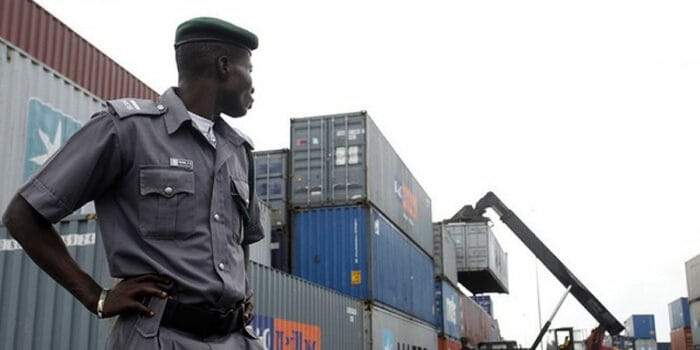
The Nigeria Customs Service (NCS), Tin Can Island Port Command, has intercepted two 40-foot containers containing suspected illicit drugs worth an estimated ₦3.67 billion concealed among imported used vehicles and automobile spare parts.
The consignments, which contained cannabis-infused cookies and gummies as well as Cannabis Indica, were intercepted during separate operations at the Lagos port, according to a statement issued by the command’s Public Relations Officer, Oscar Ivara.
The first seizure was recorded on September 2, when Customs officers, working alongside personnel of the National Drug Law Enforcement Agency (NDLEA), conducted a joint physical examination of a 40-foot container marked MSDU655132/0.
The examination uncovered 890 packs of Delta-8 cannabis-infused cookies and gummies weighing 598.08 kilogrammes. A 2008 Mercedes-Benz and a 2012 Nissan Infiniti were also found inside the container.
A second interception followed on September 16, when officers examined another 40-foot container marked SKU625643/6 and discovered 1,207 packages of Cannabis Indica weighing 603.75 kilogrammes.
The consignment was estimated to have a street value of ₦3.62 billion. It also contained two used Toyota Sienna vehicles, two Toyota Corolla cars and assorted engine spare parts.
Ivara attributed the interceptions to the vigilance of Customs personnel and effective collaboration with the NDLEA, noting that joint enforcement efforts remained critical to identifying and stopping illicit consignments concealed in legitimate imports.
The seizures highlight the tactics employed by drug traffickers to exploit the importation of used vehicles and automobile components as cover for transporting prohibited substances into the country.
According to the statement, the intercepted consignments have been handed over to the NDLEA for further investigation and possible prosecution in line with the agency’s statutory responsibilities.
The latest interceptions underscore the continuing challenge of narcotics trafficking through Nigeria’s maritime gateways and the need for sustained surveillance and inter-agency cooperation to prevent prohibited substances from entering the country.