Lagos Stakeholders Urged To Back Nigeria’s 2026–2030 Drug Control Plan As Shettima Demand Full Implementation
By Sherif Salau
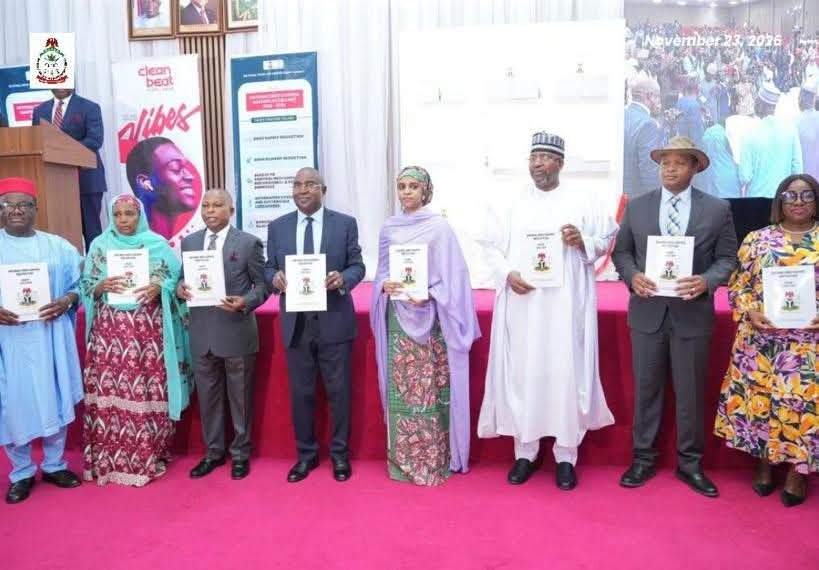
Lagos and other states are expected to play a critical role in Nigeria’s renewed war against drug abuse and trafficking as Vice-President Kashim Shettima calls for unwavering commitment from all stakeholders to implement the National Drug Control Master Plan (NDCMP) 2026–2030. With the new framework expected to strengthen the National Drug Law Enforcement Agency’s (NDLEA) operations, improve prevention, treatment and enforcement, stakeholders are being urged to translate the policy into concrete action to protect communities, youths and public health.
Speaking at the official launch of the five-year plan in Abuja today, Shettima, who was represented by the Special Adviser to the President on Special Duties, Dr Modibbo Aliyu Umar, emphasised that the success of the strategy would depend on the collective responsibility of all tiers of government and non-state actors.
“A national plan without a credible financing pathway risks becoming a declaration of good intentions,” the Vice President said. He directed ministries, departments and agencies to incorporate the plan’s priorities into their annual budgets, work programmes and implementation schedules, while calling on state and local governments to make specific financial provisions for their drug control committees.
The new Master Plan is built around six strategic pillars: supply reduction, drug demand reduction, access to controlled medicines for medical and scientific purposes, alternative development and sustainable livelihoods, disruption of the illicit drug economy, and governance, financing and coordination.
Chairman of the National Drug Law Enforcement Agency (NDLEA), Brig. Gen. Mohamed Buba Marwa (rtd.), noted that the 2026–2030 framework was developed after a thorough evaluation of the previous plan, which revealed gaps in coordination, financing, service delivery and capacity at sub-national levels.
“The evaluation identified weaknesses in coordination, financing, service delivery, data management, monitoring and accountability, as well as inadequate capacity at state and local government levels, which informed the new plan,” Marwa said. He added that the revised strategy would strengthen both supply and demand reduction efforts, expand evidence-based prevention and treatment services, promote alternative livelihoods, and target the financial networks sustaining drug trafficking.
Shettima also highlighted the gains recorded under the 2021–2025 Master Plan, which included 77,736 arrests, the seizure of more than 14.8 million kilogrammes of illicit drugs, over 14,200 convictions, and treatment or rehabilitation services for more than 32,400 people. He described these results as a foundation upon which the new plan must build.
As a major commercial and population centre, Lagos is expected to play a pivotal role in the successful implementation of the strategy. The Vice President specifically appealed to state authorities, traditional institutions, religious leaders, the private sector and civil society in Lagos and other states to take ownership of drug control programmes tailored to their local realities.
Officials say the plan’s success will ultimately depend on translating policy commitments into concrete action, measurable results and sustained collaboration across all levels of society.