Cleric Questions Tonto Dikeh’s New Prayer Ministry, Calls for Screening of Church Founders
By Emmanuel Daniji
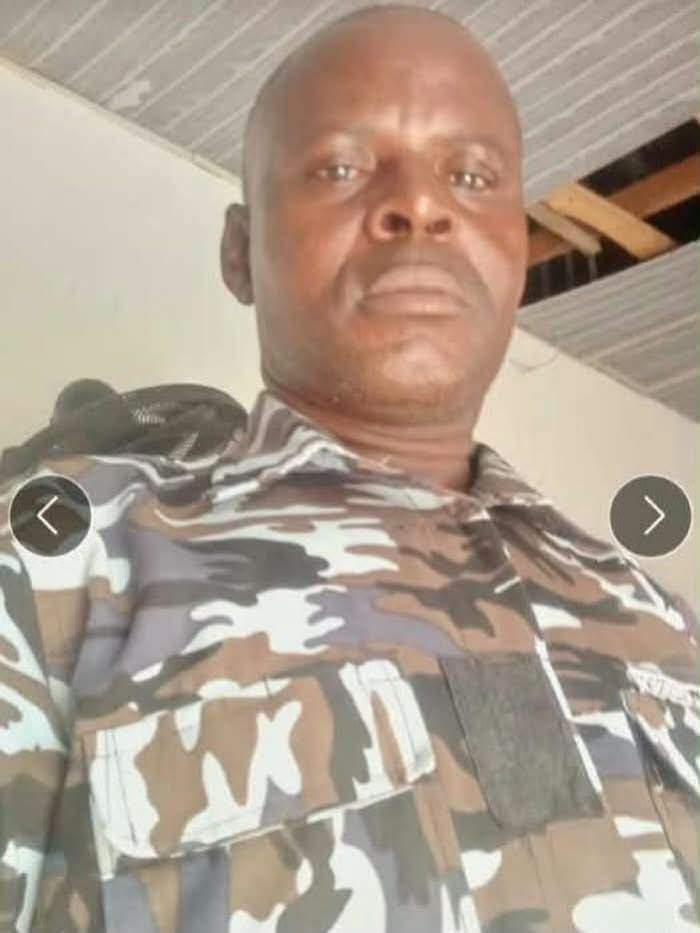
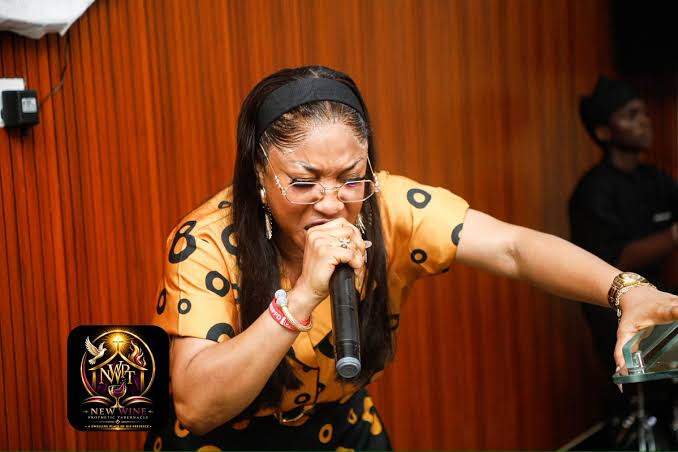
A Nigerian cleric has questioned actress and politician Tonto Dikeh’s decision to launch a new prayer ministry, arguing that establishing a church or ministry should come with a clear spiritual calling, proper preparation and accountability.
The cleric raised the concerns while reacting to the growing number of celebrities and public figures venturing into religious leadership, particularly the establishment of prayer ministries and churches.
Although he did not dismiss Dikeh’s decision outright, he questioned what spiritual conviction or knowledge informed her decision to take on the responsibility of leading a ministry.
‘There Should Be Screening Before Opening a Church’
The cleric argued that there should be a more structured process for people seeking to establish churches, suggesting that spiritual leaders should undergo some form of screening before being allowed to take on such responsibilities.
“If I were the CAN President, you’d go through screening before opening a church,” he said.
His position reflects a wider debate within Nigeria’s religious space over who should be permitted to establish and lead churches, particularly as the country’s religious landscape continues to expand.
For the cleric, the responsibility of leading a congregation goes beyond having a public profile or a personal desire to preach. He suggested that spiritual leadership requires accountability, knowledge and a genuine conviction of calling.
Concerns About Celebrity Ministries
The comments also touch on the increasingly blurred lines between Nigeria’s entertainment industry, public life and religious space.
Celebrities already command large audiences, and when some of them transition into religious leadership, they bring those existing platforms with them.
Supporters may see such moves as evidence of personal transformation or a desire to use influence for spiritual purposes. Critics, however, often question whether fame automatically translates into the preparation required to lead a congregation.
That tension appears to be at the centre of the cleric’s concerns.
His ‘Mummy GO’ Argument
The cleric also expanded his criticism to the influence of prominent female religious figures, popularly referred to in Nigeria as “Mummy GOs.”
He expressed concern about what he described as changing attitudes among some women towards their husbands, linking part of the shift to the influence of powerful female religious personalities.
His argument has, however, opened another sensitive conversation about the relationship between religion, gender roles and marriage in contemporary Nigerian society.
The comments are likely to generate further debate because of the popularity of female religious leaders and the growing visibility of women occupying prominent positions within Nigeria’s Christian community.
A Bigger Conversation About Spiritual Leadership
At the centre of the controversy is a broader question: What qualifies someone to establish and lead a religious ministry?
Nigeria has one of Africa’s most influential Christian communities, with churches and ministries ranging from large established denominations to independent prayer fellowships led by individuals with significant personal followings.
As social media continues to make it easier for public figures to build audiences, the boundary between celebrity influence and religious authority is becoming increasingly complicated.
The cleric’s reaction to Tonto Dikeh’s new ministry has therefore gone beyond one celebrity’s decision. It has reopened questions about spiritual accountability, preparation, regulation and the responsibilities that come with leading people in matters of faith.
For now, Dikeh’s decision has added another chapter to the growing conversation about celebrities entering Nigeria’s religious space—and whether public influence should be enough to open the doors of a ministry.