
Lagos Targets 2,000MW Additional Electricity by March 2027
Kehinde Adeleye
The Lagos State Government has set a target of adding 2,000 megawatts of electricity to its power supply by March 2027 as part of efforts to meet rising demand and improve reliability across the state.
The Commissioner for Energy and Mineral Resources, Biodun Ogunleye, disclosed this at the Lagos Energy Summit 2026, themed “Lagos Energy Evolution: Transforming the Future.”
Ogunleye said the state was engaging approximately 22 investors towards concluding transactions in the energy sector, while also addressing outstanding issues surrounding Power Purchase Agreements with federal authorities.
He expressed optimism that resolving the contractual and investment challenges would improve electricity supply and strengthen the state’s power market.
The commissioner said Lagos’ energy transformation went beyond increasing generation capacity, stressing the need to improve transmission and distribution networks, strengthen energy security and eliminate energy poverty.
He also highlighted the importance of renewable energy sources, including solar, wind and hydropower, encouraging households and businesses to explore alternative energy solutions while efforts continued to strengthen the national grid.
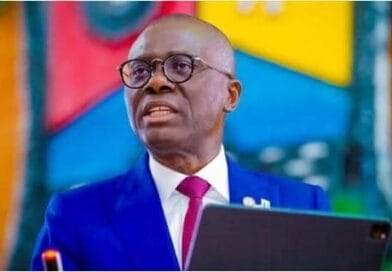
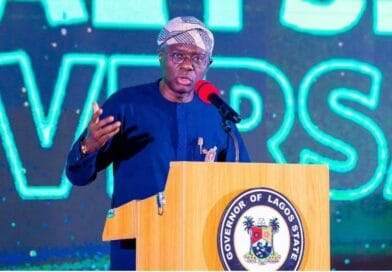
Speaking at the summit, Governor Babajide Sanwo-Olu, represented by the Secretary to the State Government, Abimbola Salu-Hundeyin, reaffirmed the administration’s commitment to modernising the power sector through regulatory reforms, private-sector partnerships and infrastructure investments.
Sanwo-Olu said reliable electricity was critical to economic growth, noting that manufacturers, small businesses and households continued to bear the burden of unreliable supply and high energy costs.
“Energy remains fundamental to Lagos’ economic growth, and it is a truism that manufacturers, small businesses and households have continued to bear the burden of unreliable electricity and high energy costs.
“Our administration in the past years has been intentional in creating an enabling environment for businesses to thrive through improved power infrastructure, regulatory reforms and increased private-sector participation,” he said.
The governor said the state had introduced reforms to restructure the electricity market, strengthen regulatory institutions and create a competitive environment capable of attracting private investment.
He added that the reforms were designed to establish clear frameworks for licensing, consumer protection and market development, while ensuring that electricity providers remained accountable and responsive to consumers.
Sanwo-Olu, however, urged stakeholders to move beyond policy discussions and develop practical solutions that would improve electricity supply and positively affect residents’ lives.
The governor also said the state was strengthening efforts to automate energy assets to improve monitoring, tackle electricity theft and vandalism, and ensure more efficient service delivery.
Earlier, the Permanent Secretary of the Ministry of Energy and Mineral Resources, Ibilola Kasunmu, identified inadequate generation, gas supply constraints, weak transmission infrastructure and poor electricity collection systems as major challenges facing the state’s energy sector.
Kasunmu said Lagos, with an estimated population of 22 million and electricity demand of about 6,000 megawatts, currently received less than 1,000 megawatts from the national grid.
She said the state was working to bridge the supply gap through embedded power generation, solar energy, waste-to-energy projects and improved gas availability.
She also disclosed that a joint technical working committee had been established with support from the Federal Government to address challenges affecting the state’s electricity sector.