
Lagos Governorship Debate Puts Candidates’ Preparedness Under Spotlight
Lagos Governorship Debate Puts Candidates’ Preparedness Under Spotlight
Healthcare, housing, transportation and security emerge as key tests of leadership capacity ahead of 2027 election
The Lagos Governorship Debate has brought the preparedness and policy depth of candidates seeking to govern Nigeria’s commercial capital under fresh scrutiny, with healthcare, housing, transportation and security emerging as major issues requiring clear and practical solutions.
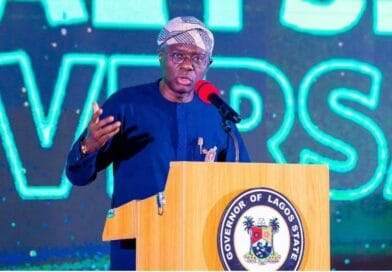
The debate, organised on Sunday by the Nigeria Debate Consortium, provided an opportunity for governorship hopefuls to present their programmes and demonstrate their understanding of the challenges confronting millions of Lagos residents.
For a state grappling with rapid population growth, housing shortages, traffic congestion, pressure on public healthcare facilities and rising living costs, voters are increasingly interested in more than campaign promises. They want candidates who can explain how their proposed policies will translate into measurable improvements in their daily lives.
The performance of candidates at the debate has therefore raised questions about their policy preparedness, understanding of governance and ability to offer workable solutions to the state’s longstanding problems.
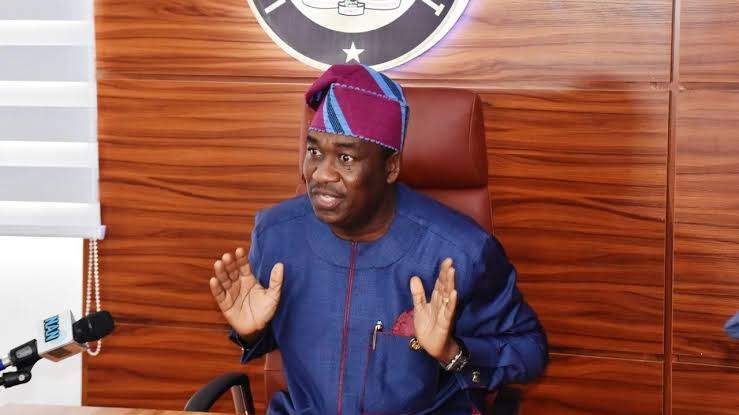
Among the participants was the All Progressives Congress (APC) governorship candidate and Lagos State Deputy Governor, Obafemi Hamzat, who said he participated to communicate his vision and explain how he intends to improve residents’ lives.
In a post on his X handle after the debate, Hamzat said leadership required understanding the needs of the people and developing policies that respond to those concerns.
He identified healthcare as a major priority, promising to expand the Ilera Eko health insurance scheme from its current 1.4 million enrollees to cover one in every three Lagos residents.
He also pledged to complete the Massey Children’s Hospital, Ojo and Somolu General Hospitals, while expanding the capacity of the state’s nine general hospitals.
On housing, Hamzat proposed a more accessible mortgage system that would enable families to spread payments over several years, alongside the completion of ongoing housing estates.
For transportation, he promised to sustain rail development, including extending the Blue Line to Okokomaiko and connecting the Red Line to the Wole Soyinka Centre for Culture and Creative Arts at the National Theatre.
He outlined seven pillars of his proposed development agenda, tagged The Lagos PROMISE: People First, Renewal, Opportunity, Machinery of Government, Inclusion, Security and Resilience, and Everyday Dignity.
However, the critical test for all the candidates will be their ability to move beyond broad promises and explain funding arrangements, implementation timelines, measurable targets and accountability mechanisms.
Lagos residents will also expect clear answers on how the next administration intends to tackle flooding, waste management, unemployment, transportation difficulties, rising rents, insecurity and the growing pressure on public infrastructure.
The debate was organised by a coalition comprising The PUNCH, Channels Television, TVC News, TheCable and Vanguard under the Nigeria Debate Consortium.
As the 2027 governorship election approaches, the debate has reinforced the importance of interrogating candidates’ preparedness, policy knowledge and capacity to govern a complex megacity like Lagos.
Ultimately, residents will have to judge the candidates not merely by the promises they make, but by the clarity, credibility and practicality of the solutions they present.