LASERC Moves To Tackle Residents Complaints
By Sherif Salau
The Lagos State Electricity Regulatory Commission (LASERC) has intensified efforts to protect electricity consumers by establishing dedicated complaint resolution panels to address disputes between residents and electricity distribution companies across the state.
The initiative, announced on Thursday at the Commission’s headquarters in Alausa, comes amid rising complaints over estimated billing, arbitrary disconnections, poor service quality and unresolved metering issues. Officials say the new measures are designed to create faster, fairer and more transparent channels for resolving conflicts between electricity distribution companies and their customers.
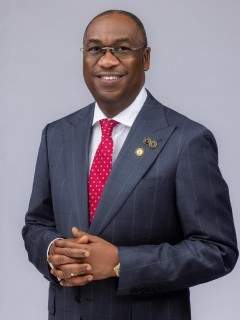
“Electricity is not a luxury in Lagos; it is the backbone of our economy and daily life,” said LASERC Chairman Engr. Adewale Ogunleye during the briefing. “Too many residents and businesses have spent months, sometimes years, trapped in disputes that drain their time and resources. We are changing that.”
Under the new framework, LASERC will establish dedicated Consumer Dispute Resolution Centres in five key locations across the state — Ikeja, Lagos Island, Alimosho, Ikorodu and Badagry. These centres will offer free mediation services, with trained officers empowered to handle complaints within 14 working days. Cases that cannot be resolved through mediation will be escalated to a formal hearing panel with the power to issue binding directives.
The Commission is also introducing a digital complaint portal and a dedicated WhatsApp hotline, allowing consumers to lodge grievances, upload evidence and track the progress of their cases without visiting an office. Officials say the system will be linked directly to the customer service units of the electricity distribution companies operating in Lagos, ensuring quicker responses.
For years, Lagos residents have complained of being caught between distribution companies and weak regulatory oversight. Estimated bills that sometimes triple actual consumption, sudden disconnections during disputes, and the slow pace of meter installation have become common sources of tension. Small business owners, in particular, say the uncertainty has forced many to rely heavily on generators, driving up operating costs.
Mrs. Chioma Eze, who runs a medium-sized printing press in Surulere, welcomed the announcement. “I spent eight months fighting an outrageous estimated bill,” she said. “Every time I went to the disco office, I was told to come back later. If this new system works the way they promise, it will save people like me a lot of stress.”
Industry stakeholders have also reacted cautiously. A senior official of one of the distribution companies, who asked not to be named, said the company supports any measure that improves clarity and reduces conflict. “We want a system where genuine issues are resolved quickly and frivolous complaints are filtered out,” the official noted. “Clear rules benefit everyone.”
LASERC’s move forms part of a broader effort by the Lagos State Government to assert greater influence over electricity matters following recent constitutional amendments that give states more power in the sector. The Commission has promised to publish quarterly reports on the number of disputes received, resolved and outstanding, in a bid to improve transparency and public accountability.
While the new centres are expected to begin operations within the next six weeks, officials acknowledge that lasting change will require more than mediation desks. Sustained investment in metering, improved network infrastructure and consistent enforcement of service standards remain critical.
For now, many Lagos residents are watching closely. In a city where power supply remains unpredictable, the success of LASERC’s intervention could determine whether consumers finally gain a fairer hearing or the cycle o7f frustration continues.