LASCOPA Secures Resolution Of 528 Consumer Complaints
By Sherif Salau
The Lagos State Consumer Protection Agency (LASCOPA) has resolved 528 consumer complaints, strengthening efforts to protect residents’ rights, address service delivery challenges and hold service providers accountable across the state.
The figure, released by the agency today, covers cases involving estimated billing, wrongful disconnections, meter-related disputes, overcharging, and failure to restore supply after payment. According to LASCOPA, the interventions led to the reversal of unjust charges, reconnection of affected households and businesses, and, in several instances, refunds or bill adjustments from the distribution companies involved.
“These are not just statistics,” said LASCOPA Director-General Mrs. Adebimpe Akinsola during a media briefing in Alausa. “Behind every resolved complaint is a family that can now plan its expenses better, or a small business that no longer has to choose between paying an outrageous bill and keeping its doors open. Consumer protection must deliver real outcomes, not just promises.”
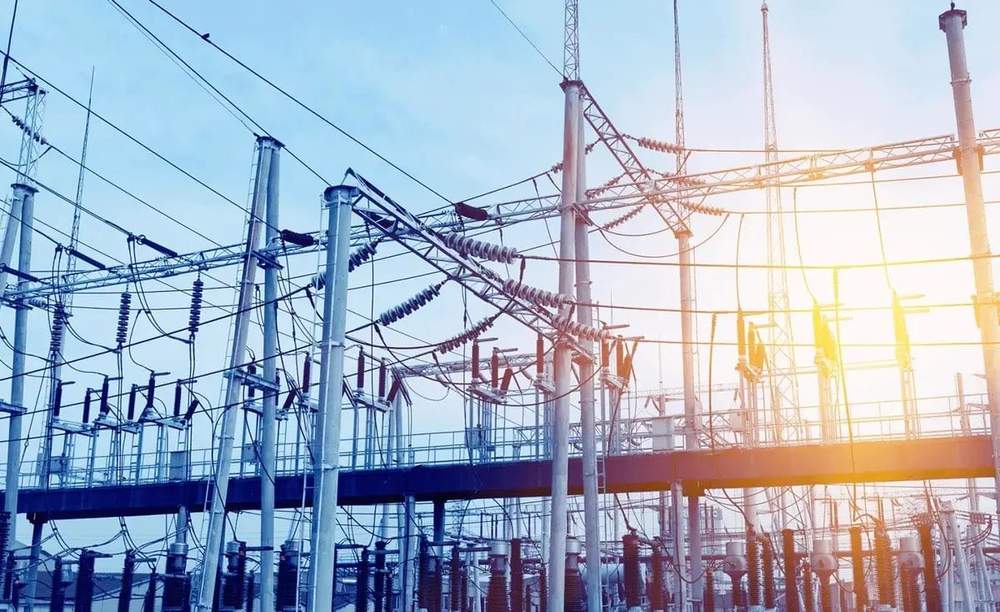
Electricity disputes remain one of the most common sources of frustration for Lagos residents. Many consumers, particularly those without meters, have long complained of estimated bills that bear little resemblance to their actual usage. Others report being disconnected despite having made payments, or spending months trying to get faulty meters replaced. For traders, artisans and small manufacturing outfits, such problems often translate into lost income and disrupted operations.
One beneficiary, Mr. Emeka Nwosu, who runs a medium-sized bakery in Isolo, described his experience as “a heavy burden lifted.” He had been locked in a dispute over an accumulated estimated bill that more than doubled his usual monthly charge. After approaching LASCOPA, the agency mediated with the distribution company and secured a significant downward review. “I had almost given up,” Nwosu said. “They treated the matter with seriousness and followed it through. That is all most consumers are asking for.”
In another case, a group of residents in a private estate in Magodo had endured repeated disconnections despite settling their bills. LASCOPA’s intervention led to the restoration of supply and a formal commitment from the service provider to improve communication with the community.
Officials of the agency explained that the 528 resolved cases formed part of a larger volume of complaints received through its offices, dedicated hotlines and digital platforms. Not all petitions were decided in favour of consumers; where investigations showed that charges were legitimate or that customers had breached terms of service, the agency said it made this clear. The priority, according to Akinsola, was fairness and due process.
The distribution companies have responded with measured cooperation. A spokesperson for one of the operators said the company remained committed to resolving genuine customer issues and welcomed structured engagement with regulatory and consumer protection bodies. “We recognise that trust is essential,” the spokesperson noted. “Where errors occur, they should be corrected promptly.”
LASCOPA’s growing role in electricity-related disputes reflects a broader shift in Lagos towards stronger consumer advocacy. While the Nigerian Electricity Regulatory Commission retains primary oversight of the power sector, state-level agencies like LASCOPA have increasingly stepped in to address everyday grievances that might otherwise drag on unresolved.
Many consumers are still unaware of their rights or the channels available for redress. Others complain that even after complaints are resolved, service quality issues — frequent outages, voltage fluctuations and delayed meter installation — persist. Agency officials acknowledge these limitations and say sustained collaboration with both regulators and distribution companies will be necessary for deeper impact.
The 528 resolved cases stand as evidence that structured intervention can produce results. In a city where electricity remains both essential and unpredictable, that small measure of accountability has brought tangible relief to hundreds of households and businesses — and a measure of hope that the system can, at least sometimes, work in the consumer’s favour.