US Applauds NDLEA’s Crackdown On Mexican Cartel-Linked Meth Labs
By Sherif Salau
The United States has publicly praised the National Drug Law Enforcement Agency for dismantling four industrial-scale methamphetamine laboratories linked to Mexican cartels this year, a development security analysts say could help curb the flow of illicit drugs and related criminal networks into major cities including Lagos.
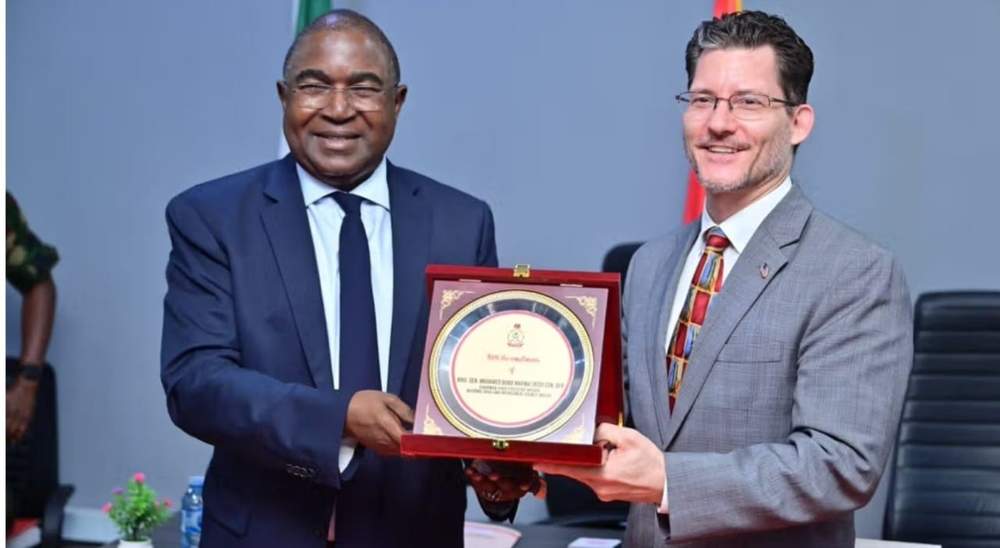
Michael Gonzales, US Deputy Assistant Secretary of State for International Narcotics and Law Enforcement Affairs for Africa and the Middle East, delivered the commendation on Tuesday during a visit to the NDLEA national headquarters in Abuja. He described the raids as evidence of strong intelligence work, inter-agency coordination and operational excellence.
“The four meth lab busts just this year alone is a testament to the deployment of some of the best practices in our tradecraft,” Gonzales said, highlighting the combination of intelligence gathering, cross-border cooperation and effective follow-through investigations and prosecutions.
NDLEA Chairman Brigadier-General Mohamed Buba Marwa (retd) detailed the scale of the operations. The largest laboratory was discovered in a forest in Ijebu East, Ogun State, where three Mexican methamphetamine experts and their Nigerian collaborators were arrested. Substances valued at more than $360 million were recovered. Weeks later, operatives raided another industrial-scale facility in Tapa Village, Oyo State, arresting a Mexican specialist and four Nigerian associates. Similar laboratories linked to the same networks were later dismantled in Enugu and Ebonyi states.
Marwa stressed that the discoveries pointed to a deliberate strategy by Mexican cartels to establish Nigeria as a manufacturing and export hub. “These were not isolated incidents. They show a deliberate attempt to turn Nigeria into a manufacturing hub,” he said. The cartels, he added, aimed to use West Africa as a corridor for shipping industrial quantities of methamphetamine to markets in Europe, Asia and the United States.
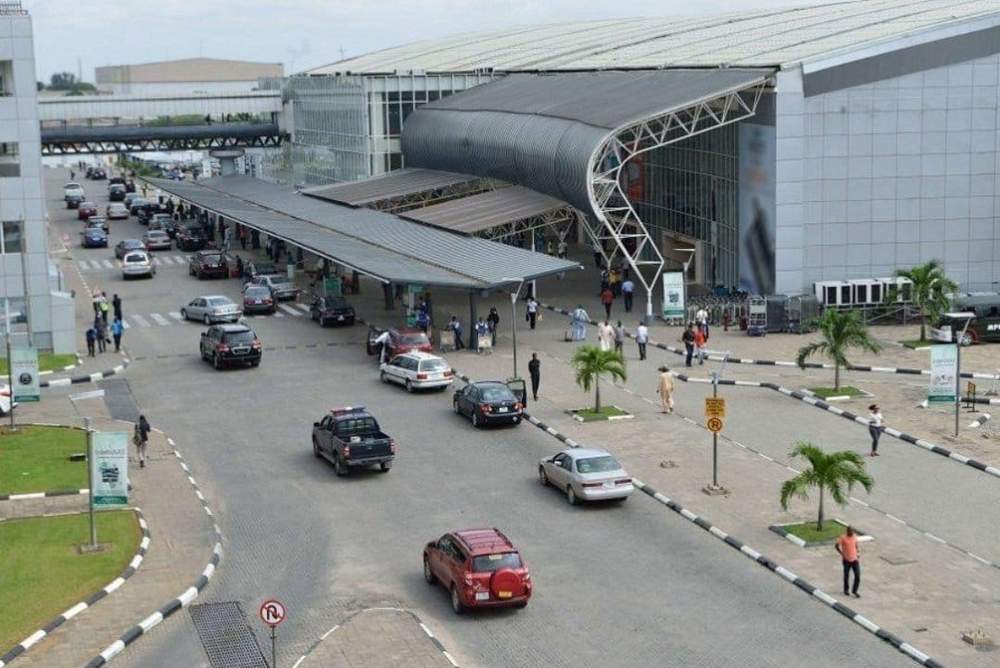
One of the key arrests linked to the network occurred at Lagos airport, where a suspected Mexican kingpin was intercepted while attempting to leave the country. Related investigations also led operatives to a residence in the Lekki area of Lagos. Security observers note that disrupting such production and logistics networks reduces the risk of synthetic drugs flooding urban centres and the associated violence, money laundering and recruitment of local collaborators.
For residents of Lagos, the successes offer cautious hope. The city’s busy ports, airport and dense urban communities have long been vulnerable to transnational trafficking routes. Officials argue that sustained pressure on production sites and the financiers behind them can limit the availability of hard drugs and weaken the criminal ecosystems that thrive on them.
Marwa used the occasion to call for continued or increased support from the United States through the International Narcotics and Law Enforcement Affairs bureau and the Drug Enforcement Administration. He described the partnership as a shared investment in the security of both countries.
As the NDLEA presses ahead with further investigations and prosecutions, the US endorsement is being viewed as both validation of recent gains and a signal that international cooperation remains essential in confronting increasingly sophisticated cartel operations. For many in Lagos, the practical measure of success will be whether these high-profile busts translate into fewer drugs on the streets and a tangible improvement in public safety.