June 12: Lagos Remembers the Price of Democracy at MKO Premiere
June 12: Lagos Remembers the Price of Democracy at MKO Premiere
LAGOS — More than three decades after the June 12, 1993 presidential election was annulled, Lagos once again became a stage for the remembrance of one of the most turbulent chapters in Nigeria’s democratic history.
The occasion was the national premiere of MKO, a documentary on the life, political struggle and legacy of the late Chief Moshood Kashimawo Olawale Abiola, held at the Wole Soyinka Centre for Culture and Creative Arts in Lagos.
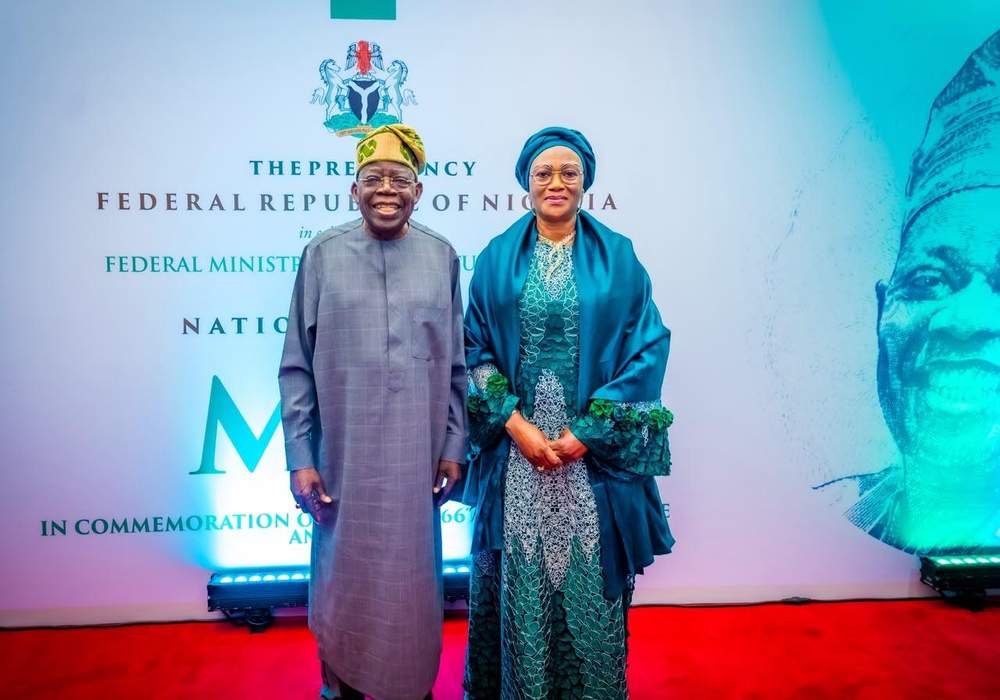
The premiere, attended by President Bola Ahmed Tinubu and First Lady Oluremi Tinubu, brought back memories of a period when Lagos was at the centre of the battle for the restoration of the June 12 mandate and the return of democratic rule.
The event, organised as part of activities marking Nigeria’s 66th Independence Anniversary, was therefore more than a celebration of a documentary. It became a moment for Lagos to remember the men and women who confronted military rule, endured detention, lost their livelihoods and, in some cases, paid with their lives for democracy.
Abiola’s story is deeply connected to Lagos.
The businessman and politician built much of his political influence in the city, while Lagos itself became a major theatre of the protests, strikes, media campaigns and resistance that followed the annulment of the election widely believed to have been won by Abiola.
For many Lagos residents who lived through the period, June 12 was not simply a political event. It was a period of demonstrations, arrests, newspaper closures, economic disruption and uncertainty.
The documentary revisits that turbulent journey — from the June 12 election and the declaration of Abiola’s mandate to his arrest, prolonged detention and death in custody in 1998.
But at the Lagos premiere, attention was also drawn to the many Nigerians whose contributions to the struggle have often been overshadowed by the story of Abiola himself.
Among those remembered were Anthony Enahoro, Adekunle Ajasin, Abraham Adesanya, Gani Fawehinmi, Beko Ransome-Kuti, Alfred Rewane, Frank Kokori, Ndubuisi Kanu, Dan Suleiman, Chima Ubani, Bola Ige, Cornelius Adebayo, Ayo Adebanjo, Balarabe Musa and the late Ooni of Ijebu, Oba Sikiru Kayode Adetona.
For Lagos, several of those names evoke particularly strong memories of the pro-democracy movement.
The city witnessed the activities of human rights activists, labour leaders, journalists, lawyers, students and civil society groups who challenged the military government and demanded the restoration of democratic rule.
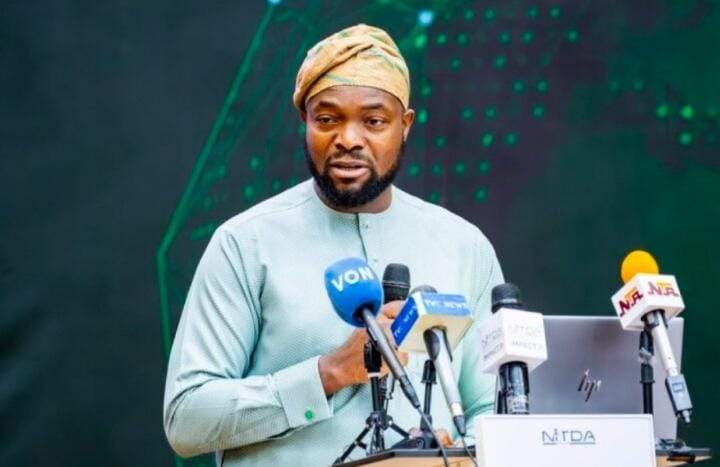
Speaking at the event, Special Adviser to the President on Information and Strategy, Bayo Onanuga, said Nigerians must remember not only Abiola but also the “countless unnamed Nigerians” who suffered in defence of democracy.
He recalled the journalists who continued to publish despite arrests and the seizure of newspapers, printers who risked detention to produce publications, lawyers who defended political detainees, students who protested,
workers who embarked on industrial actions, academics who supported the struggle and Nigerians in the diaspora who mobilised international pressure.
Their sacrifices, he said, contributed to the democratic order Nigeria has sustained since 1999.
The formal recognition of Abiola as the winner of the June 12 election was also highlighted as one of the significant developments in Nigeria’s democratic history.
For years, Abiola was popularly described as the “assumed” or “presumed” winner. His official recognition as the winner subsequently gave institutional weight to a claim that had remained at the heart of Nigeria’s pro-democracy struggle.
June 12 was also adopted as Nigeria’s Democracy Day, replacing May 29.
But the Lagos premiere carried another powerful message: that democracy is not merely about elections; it is also about remembering the price paid by those who fought for the right to vote and have their votes respected.
Onanuga said: “We owe them a duty to ensure that no authority ever again overturns the freely expressed will of Nigerians.”
For Minister of Art, Culture, Tourism and the Creative Economy, Hannatu Musa Musawa, preserving the memory of June 12 is part of preserving Nigeria’s history.
She said the documentary was produced to honour the men and women who gave their lives for the June 12 mandate and the democracy Nigerians enjoy today.
The film’s US-based producer, Ose Oyamendan, also recalled his personal encounter with Tinubu, saying he interviewed the President when he was a senator in 1992, only months before the election that would dramatically change Nigeria’s political history.
Tinubu’s presence at the Lagos premiere added another dimension to the occasion. As a prominent figure in the pro-democracy struggle, his attendance placed the President among several generations of political actors whose careers were shaped by the events surrounding June 12.
Also present were Senate President Godswill Akpabio, Speaker of the House of Representatives Tajudeen Abbas, Lagos Governor Babajide Sanwo-Olu, Ogun Governor Dapo Abiodun, Plateau Governor Caleb Mutfwang and former Ogun Governor Olusegun Osoba, among other political leaders.
Yet, beyond the red carpet, dignitaries and cameras, the Lagos premiere confronted the country with an uncomfortable historical truth.
The democracy Nigerians enjoy today was not achieved without sacrifice.
In Lagos, that history is particularly difficult to separate from the city’s streets, newsrooms, factories, universities, courts and homes, where the struggle for June 12 was experienced not as an entry in a history book but as a daily reality.
MKO therefore arrives at a significant moment — reminding a younger generation that June 12 was not simply an election that was annulled.
It was a struggle over the fundamental right of Nigerians to choose their leaders.
And Lagos, one of the principal theatres of that struggle, was once again the place where the story was brought back to public memory.