Lagos Assembly Approves 2026 Budget Reshuffle, Prioritised Roads, Rail, Healthcare
By Emmanuel Daniji
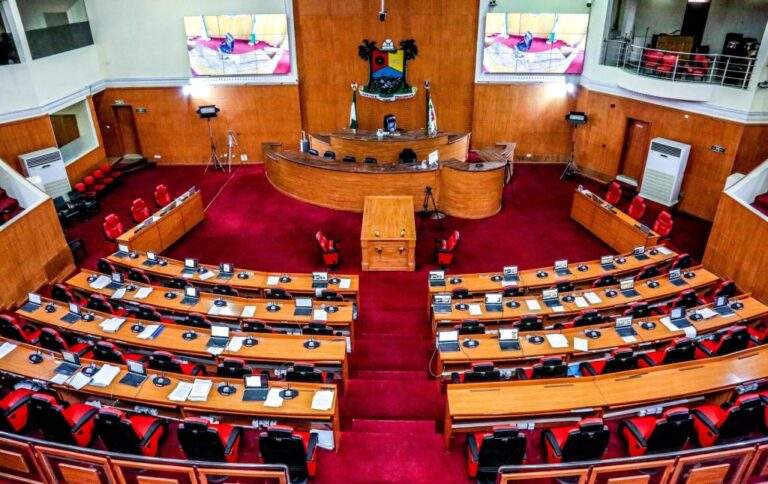
The Lagos State House of Assembly has approved an amendment to the 2026 Appropriation Law, paving the way for the state government to redirect funds towards projects it says are critical to the state’s infrastructure and development needs.
The amended budget is expected to place greater emphasis on projects that directly affect the daily lives of Lagos residents, including rail transportation, healthcare, drainage, waste management, road repairs and security.
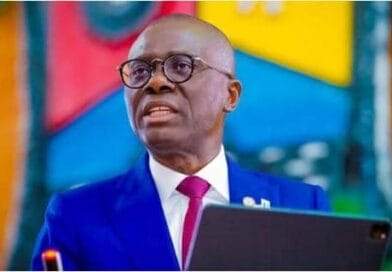
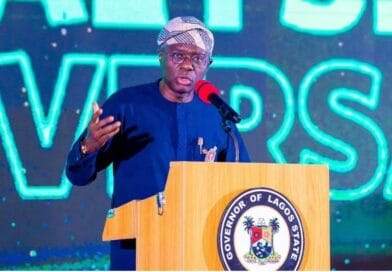
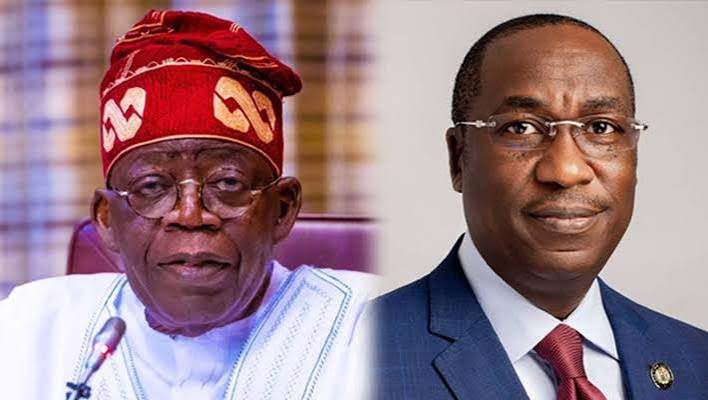
The House passed the 2026 Appropriation (Amendment) Bill into law on Tuesday following a request from Governor Babajide Sanwo-Olu for approval to reorder priorities under the state’s 2026 Budget.
The governor’s letter was read before the lawmakers by the Clerk of the House, Mrs Adenike Oshinowo, after which Speaker Mudashiru Obasa referred it to the Committee on Economic Planning and Budget for consideration.
Presenting the committee’s report, its Chairman, Mr Lukmon Olumoh, said the current level of budget performance made it necessary to reassess the state’s implementation strategy for the remaining months of the financial year.
He said the reordering would allow the government to adopt a more focused approach to capital expenditure and accelerate projects considered important to the state.
“The reordering of priorities will accelerate project execution and improve the overall performance of capital expenditure, while responding to current demands and emerging needs across the state,” Olumoh said.
One of the major projects included in the new priorities is Phase II of the Blue Line Rail Project, covering the Mile 2 to Trade Fair Station corridor.
For residents and commuters along that axis, the project is expected to be significant because of the volume of daily movement between Mile 2, Okokomaiko and other parts of the Lagos-Badagry corridor.
Healthcare also received attention in the amended priorities.
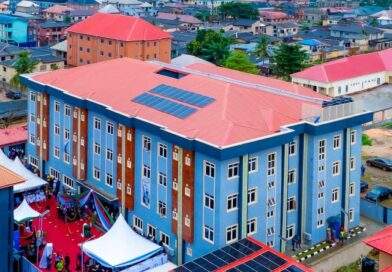
The government plans to focus on the completion, furnishing and equipping of the new Massey Street Children’s Hospital, as well as the completion of the 280-bed General Hospital in Ojo.
The construction of the Ketu-Ejirin Psychiatric Hospital is also included among the projects earmarked under the revised priorities.
Other projects include the completion of the Omu Creek project and the purchase of housing units.
Drainage is another major area of focus, with provision made for drainage systems across the state.
The amendment also covers environmental, sanitation and maintenance programmes along the Coastal Road, re-fleeting of operational vehicles used for waste and traffic management, and improvements to waste management and landfill infrastructure.
Security and emergency response equipment are also listed among the priorities, alongside the Zero Tolerance for Potholes initiative.
The combination of drainage, road repairs and waste management projects is particularly significant for residents in communities that regularly contend with flooding, damaged roads and waste disposal challenges.
The proposed upward review of the state’s bond issuance was also highlighted during the presentation. According to Olumoh, the bond programme is proposed to increase from N150 billion to N200 billion to support key infrastructure and development projects.
During the debate, Mr Aro Moshood stressed the importance of effective legislative oversight to ensure that the amended budget is implemented as approved.
He said passing the amendment was only one part of the process, adding that lawmakers must monitor the execution of the projects and ensure that public funds are applied to the priorities approved by the House.
“Funds must be applied strictly to the approved priorities to ensure effective implementation of the amended budget,” Moshood said.
The House subsequently considered and adopted the committee’s report before passing the amendment bill.
Speaker Obasa thereafter directed the Clerk to forward a clean copy of the bill to Governor Sanwo-Olu for assent.
With the amendment now approved by the Assembly, attention will shift to implementation and whether the reordered priorities translate into visible projects across Lagos.
For residents, the real test will be whether the new spending priorities lead to faster road repairs, better drainage, improved healthcare facilities, expanded public transport infrastructure and more effective waste and emergency management before the end of the 2026 financial year.