Lagos Health Commission Boss Assures Better Patient Care
By Sherif Salau
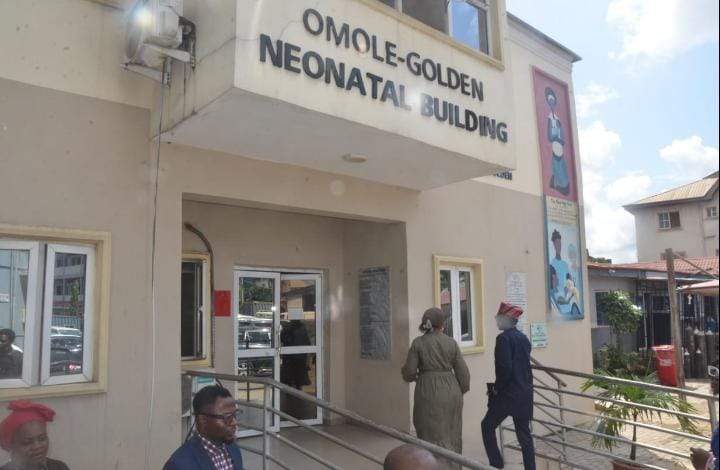
The Permanent Secretary of the Lagos State Health Service Commission, Dr Olufemi Omololu, has underscored the value of direct, on-the-ground oversight after leading familiarisation tours of public hospitals in Ifako-Ijaiye and Orile-Agege.
Moving through departments and wards, Dr Omololu said the visits went beyond routine protocol.
“Oversight conducted in person does more than gather information. It signals to every cadre of staff that their work is visible and valued.”
He observed that nurses, doctors, technicians and administrators who see senior leadership examining conditions first-hand often experience a measurable lift in morale.
The knowledge that leaders are prepared to listen, commend genuine effort and address shortcomings without distance, he explained, fosters a sense of shared purpose.
Motivation, he added, rises not from abstract directives but from the recognition that those at the top understand the daily realities of the wards.
That improved atmosphere, according to the Permanent Secretary, translates directly into better outcomes for patients. A workforce that feels supported and observed is more likely to sustain attention to detail, collaborate across units and keep the person receiving care at the centre of decisions. Waiting times, communication and the consistency of clinical practice all benefit, he said, when staff feel their contribution matters.
During the tours, Dr Omololu acknowledged progress already achieved under the medical directors while offering practical guidance on areas still requiring attention.
“The Commission will provide an enabling environment, but the daily responsibility for patient-centred care rests with those who work in the hospitals.”
Leadership that both supports and challenges, he maintained, produces steadier institutional performance than praise or criticism delivered from afar.
Looking ahead, he described the longer-term impact of consistent, dialogue-driven oversight as cultural. When inspections become opportunities for conversation rather than mere inspection, hospitals develop habits of continuous improvement. Workers internalise higher standards because they see those standards modelled and monitored. Patients, often the silent beneficiaries of institutional culture, experience the difference in the attentiveness of care, coordination of services and overall atmosphere of the facility.
In health systems stretched by demand, Dr Omololu concluded, the physical presence of senior leadership remains one of the most effective tools for sustaining motivation and aligning daily practice with the needs of those who seek treatment. The recent visits, he said, illustrate how deliberate engagement can strengthen both the people who deliver care and the people who depend on it.