Brain Drain, Patient Surge Stretch Lagos Public Hospitals, Abayomi Says
Kehinde Adeleye
Lagos State’s public hospitals have recorded a sharp rise in patient attendance, with outpatient patronage doubling in the last six months as rising healthcare costs and the shortage of medical personnel put additional pressure on the system.
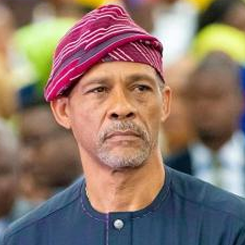
The Commissioner for Health, Prof. Akin Abayomi, disclosed this during an interview with ARISE NEWS, saying the increase was being felt across major public health facilities in the state.
Abayomi said facilities including Lagos State University Teaching Hospital, Ikorodu General Hospital and Lagos Island General Hospital were recording significantly higher patient numbers.
“In the last six months, our outpatient patronage has doubled in our public health facilities,” he said, adding that he had seen thousands of patients being attended to in a single day.
The commissioner linked the increase partly to the rising cost of healthcare, which he said was making it increasingly difficult for many residents to afford treatment at private hospitals.
“While the cost of care is going up, the ability to buy that care is relatively stagnant,” he said.
According to him, some residents were moving from private hospitals to public facilities in search of more affordable treatment, while others were turning to informal sources of healthcare, including pharmacies and drug hawkers.
He said the situation was adding to the workload of doctors and other healthcare professionals who are already dealing with the effects of brain drain.
“Our doctors and our healthcare professionals are under a lot of stress. You can imagine with the brain drain, with this influx of patients,” Abayomi said.
He stressed that the combination of a growing patient population and a shrinking pool of healthcare workers could place serious strain on the health system if not addressed.
Against this backdrop, the commissioner said the Lagos State Government was preparing to begin enforcing compulsory health insurance for residents as part of efforts to improve healthcare financing and reduce the burden on public hospitals.
Abayomi said Lagos had domesticated the National Health Insurance Authority Act through an executive order in July 2024, making health insurance compulsory for people living and working in the state.
He said the state was now restructuring its health insurance system, alongside increased public awareness and enforcement.
“We’re doing a lot of enforcement. We’re doing a lot of public health awareness. We’re doing a lot of educating the public around the need for insurance,” he said.
According to him, the government’s objective is to ensure that every resident has access to a basic social health insurance package, while allowing residents with private insurance to retain additional coverage.
“So everybody should have at least a social health insurance basic minimum service package cover,” he said.
Abayomi argued that stronger health insurance coverage would also help address the economic factors behind the migration of healthcare professionals from Nigeria.
He explained that when more residents have the ability to pay for healthcare through insurance, more money would flow into the health sector, strengthening the capacity of healthcare providers and creating better conditions for retaining medical professionals.
“If we fix the demand-side financing, then funds will flow,” he said, adding that increased purchasing power for healthcare could eventually help slow brain drain.
The commissioner also defended the state’s investment in public healthcare, saying government hospitals remained heavily subsidised.
He said the state builds and maintains hospitals, employs about 20,000 workers, provides equipment and training, and covers other operational expenses including power and administration.
According to Abayomi, these subsidies allow public hospitals to charge generally less than half the rates found in private facilities.
He also said the Ministry of Health was recording more than 90 per cent budget implementation.
On complaints about patients being asked to make cash payments before receiving treatment, Abayomi said the government had outsourced payment collection to private companies in an effort to separate financial transactions from clinical services.
He said payment gateways were now available across the state’s health facilities to collect approved charges from patients.
The commissioner maintained that improving healthcare financing remained central to addressing the pressure on Lagos’ public health system, particularly at a time when rising demand, high treatment costs and the migration of health professionals continue to challenge the sector.