Lagos Homebuyers Feel Heat as Ikoyi Land Hits N2.5m Per Sqm
For many Lagos residents, owning a plot of land in Ikoyi has long been a symbol of success.
In 2026, however, it is becoming a dream that only a small circle of buyers can realistically afford.
Land prices in the high-end Lagos neighbourhood have climbed to about N2.5 million per square metre, making even a modest parcel worth hundreds of millions of naira before a single block is laid.
The latest Lagos Island Residential Market Report 2026 by Lagos Realty puts average Ikoyi land prices at about N2.45 million per square metre, up from N1.35 million in 2022 — an increase of roughly 81 per cent in four years.
At that price, a 500-square-metre plot would cost roughly N1.25 billion. For a middle-class family hoping to build a home, the figure is almost unimaginable.
And buying the land is only the beginning. Legal fees, documentation, approvals, construction, infrastructure and other development costs would push the final bill considerably higher.
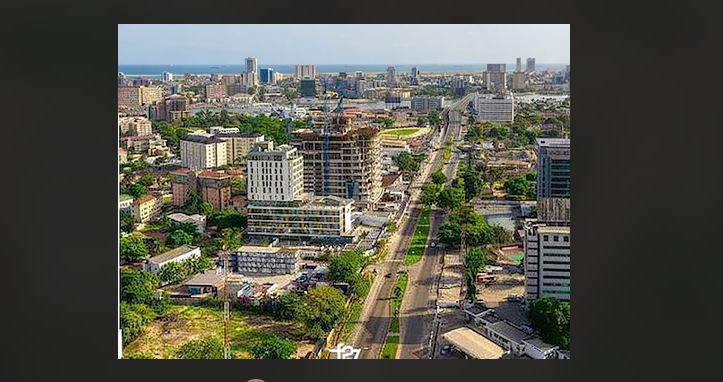
The numbers also explain why the skyline of Lagos Island is changing. As land becomes more expensive and scarce, developers have stronger incentives to build upward, creating luxury apartment towers and mixed-use developments where older low-rise properties once stood.
Yet the boom in land values is not happening in isolation. The cost of living in Ikoyi has also continued to rise.
The Lagos Realty report shows that the average selling price of a three-bedroom home in Ikoyi has reached N674 million, while five-bedroom homes now average more than N1.1 billion. Luxury rents have also climbed sharply, with average annual rents reaching N12 million for one-bedroom apartments, N17.25 million for two-bedroom units and N27.75 million for three-bedroom apartments.
Other market data paints a similarly expensive picture. Nigeria Property Centre’s June 2026 listings put the median annual asking price for houses for rent in Ikoyi at about N56 million, up 30.5 per cent from N42.9 million a year earlier.
For someone searching for a smaller home, the pressure is also evident. The median listing price for a one-bedroom apartment was about N15 million annually in June 2026, representing a 36.4 per cent increase from the previous year.
For residents, the figures are more than market statistics. They increasingly determine who can live close to Lagos’ major business districts and who must move farther away in search of more affordable housing.
The demand for Ikoyi remains strong because of its location, infrastructure, security, proximity to business centres and concentration of embassies, multinational companies and high-income residents. The Lagos Realty report attributes the sustained property growth to strong demand from diplomats, expatriates, senior corporate executives and high-net-worth individuals, alongside limited land supply and rising construction costs.
The pressure is being felt beyond Ikoyi. Average land prices in Victoria Island have reached about N2.1 million per square metre, while Lekki Phase 1 is around N1.5 million and Ikate about N955,000, according to the same market report.
Interestingly, Lekki Phase 1 has recorded the strongest five-year land price growth among the four markets tracked, rising by about 256 per cent, compared with 198 per cent in Victoria Island and 81 per cent in Ikoyi.
The consequence is a Lagos property market increasingly divided between those who own valuable land and those struggling to keep up with rents.
For investors, rising land values may represent an opportunity to preserve wealth and benefit from capital appreciation. For ordinary residents, however, the same boom can mean higher rents, longer commutes and fewer affordable options close to where they work.
Ikoyi may be getting richer on paper, but for many Lagosians, its soaring property prices tell another story — one about a city where finding a place to live is becoming an increasingly expensive struggle.