Better Don’t Fall Sick: Lagos Needs 40,000 More Doctors and Nurses
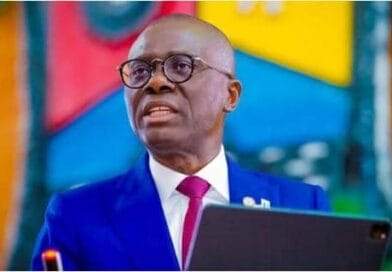
Governor Babajide Sanwo-Olu has revealed that Nigeria’s commercial capital is battling a severe shortage of healthcare workers, saying Lagos needs about 40,000 additional doctors and another 40,000 nurses to adequately serve its rapidly growing population.
The governor also disclosed that the state requires at least ₦100 billion more than its current health budget to provide the level of healthcare millions of residents deserve, exposing what many experts describe as a widening gap between Lagos’ growing population and the capacity of its healthcare system.
For a city of more than 20 million people, the figures paint a worrying picture.
According to Sanwo-Olu, Lagos currently has only about 7,000 doctors, meaning every doctor is effectively doing the work of several others.
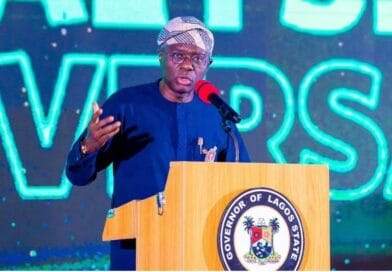
“Every doctor in Lagos today is, in effect, doing the work of 10,” the governor said at the second Eko Health Convention in Victoria Island.
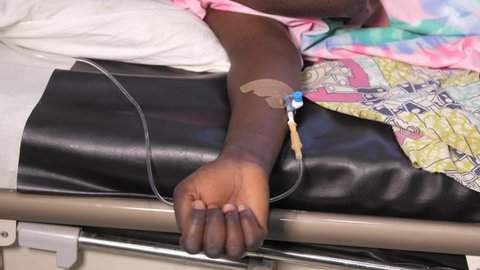
The shortage comes amid increasing patient numbers, longer waiting times in public hospitals and the continued migration of Nigerian doctors and nurses abroad in search of better pay and working conditions.
Beyond the manpower crisis, the governor said Lagos faces a funding shortfall of at least ₦100 billion, warning that the state’s current health budget is insufficient to meet existing demands.
He also noted that international donor funding, which supported many disease control programmes for years, is shrinking, making it more difficult to finance healthcare delivery.
Taken together, the shortage of doctors, nurses and funding suggests that Lagos’ health sector is confronting one of its biggest challenges in decades.
To address the situation, the state government says it has intensified the recruitment of healthcare workers, improved welfare packages, opened recruitment across its 29 secondary health facilities and plans to establish a University of Medicine and Health Sciences to train more professionals.
Sanwo-Olu also said more than 1.5 million Lagosians have enrolled in the state’s health insurance scheme, Ilera Eko, while investments are being made in digital healthcare and artificial intelligence to improve service delivery.
However, health experts say technology and infrastructure alone cannot replace the thousands of doctors and nurses still needed to meet the healthcare demands of a rapidly expanding megacity.
For residents, the governor’s disclosure is more than just another government statistic.
It is a reminder that preventing illness may be just as important as seeking treatment. Eating a balanced diet, exercising regularly, getting adequate rest, attending routine medical check-ups, staying vaccinated and seeking medical attention early when symptoms appear could reduce the risk of avoidable health complications.
The reality is that Lagos’ healthcare system is under immense pressure. While government reforms continue, residents also have a responsibility to protect their own health through healthy lifestyle choices and preventive care.
In a city where every doctor is already stretched and the health sector still needs tens of thousands more professionals and over ₦100 billion in additional funding, good health is no longer just a personal goal, it is increasingly becoming a necessity.