
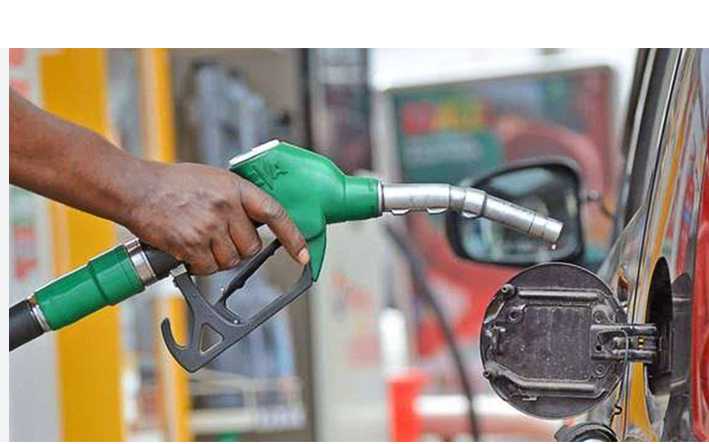
Fuel Price Changes Cut Petrol, Diesel and Gas Demand
Nigeria’s rising energy costs are forcing households, motorists and businesses to rethink how they use petrol, diesel and cooking gas, with consumers increasingly cutting back as the cost of transportation, power generation and cooking continues to rise.
Recent data from the Nigerian Midstream and Downstream Petroleum Regulatory Authority (NMDPRA) shows just how sharply the pressure is affecting fuel consumption. Petrol demand fell from 5.07 billion litres in the first quarter of 2026 to 4.27 billion litres in the second quarter, representing a 15.7 per cent drop or almost 798 million litres.
Daily petrol consumption also declined from 60.2 million litres in January to 47.4 million litres by June, reflecting a significant shift in consumer behaviour as pump prices climbed to around ₦1,400 per litre in some parts of the country.
With every trip becoming more expensive, motorists are reducing unnecessary journeys, while businesses are cutting fuel use and increasingly exploring alternatives such as Compressed Natural Gas (CNG).
Diesel demand has also come under pressure. NMDPRA figures showed that daily diesel receipts dropped from 18.8 million litres in May to 16.2 million litres in June, a decline of 13.8 per cent. Although consumption remained close to 16 million litres per day, the figures point to growing pressure on businesses and other heavy diesel users.
The squeeze is not limited to transportation and industrial power. Cooking gas consumers are also adjusting their spending. LPG consumption fell by about 8.9 per cent in June, even as total receipts increased by more than 24 per cent. Domestic LPG supply dropped by 10 per cent, while imports rose sharply during the period.
For many households, the result is a difficult balancing act. Some consumers are cooking less with LPG, switching between available fuels or reducing generator usage, while others are cutting down on journeys to cope with higher transportation costs.
Fuel prices have remained vulnerable to international crude oil movements, exchange-rate fluctuations, supply conditions and developments in Nigeria’s domestic refining industry. Despite increased local refining capacity, supply dynamics continue to influence retail prices.
NMDPRA data showed that domestic petrol receipts fell by about 22 per cent in June, while petrol imports increased by more than 200 per cent. The figures highlight the continuing sensitivity of the Nigerian fuel market to changes in refinery output and imported supply.
Businesses have also been forced to absorb the impact. Companies that depend on diesel to operate generators, power machinery and transport goods are facing higher operating expenses, with some passing the additional costs to consumers while others are reducing production or energy consumption.
The cooking gas market is experiencing similar challenges. Although prices have eased in some locations at different times, distribution costs, transportation expenses, exchange-rate movements and supply constraints continue to create significant price differences across the country.
The pressure is meanwhile strengthening the case for alternative energy sources. The Federal Government has accelerated its CNG programme as part of efforts to provide cheaper transportation fuel, while electric vehicles and other clean-energy solutions are gradually gaining attention.
But experts say alternatives will only make a meaningful difference if Nigeria develops the infrastructure, financing mechanisms, technical capacity and reliable supply chains required to support widespread adoption.
For now, the decline in conventional fuel consumption does not necessarily mean Nigerians need less energy. Instead, it reflects a population adapting to higher costs by travelling less, running generators for shorter periods, reducing cooking-gas consumption and searching for cheaper alternatives.
As the cost of energy continues to squeeze household and business budgets, Nigeria’s fuel market is revealing a new reality: consumers are not abandoning energy—they are simply being forced to use less of it.