IHS Nigeria Expands Disability Inclusion Drive with Business Support
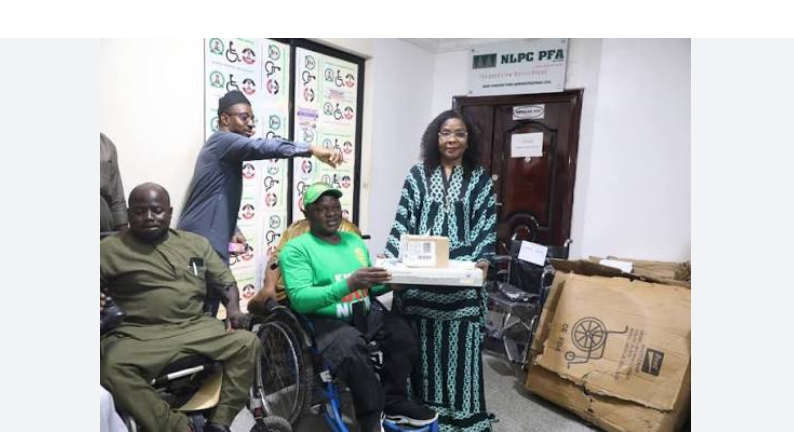
IHS Nigeria has stepped up efforts to promote economic inclusion by equipping entrepreneurs living with disabilities with the tools and resources needed to strengthen their businesses and build more sustainable livelihoods.
The telecommunications infrastructure company’s latest intervention forms part of its broader commitment to empowering underserved communities through skills development, entrepreneurship support and access to opportunities that can improve financial independence.
Through its Project Empower initiative, IHS Nigeria has supported beneficiaries with vocational training, entrepreneurship development, business equipment, mentorship and other resources aimed at helping them transform their skills into viable businesses.
The company’s impact programmes have also targeted micro, small and medium-sized enterprises with capacity-building support and resources to help entrepreneurs establish, formalise and expand their businesses. According to IHS Nigeria’s 2023–2024 impact report, Project Empower supported 35 MSMEs in Lagos and Imo states, including assistance with business registration, access to financial services, business support and marketing opportunities.
The initiative comes at a time when Nigerians living with disabilities continue to face significant hurdles in accessing finance, employment, training and the tools required to operate competitive businesses. For many entrepreneurs in this group, the lack of appropriate equipment and limited access to capital can make it difficult to turn entrepreneurial skills into sustainable income.
IHS Nigeria’s empowerment model seeks to address some of these challenges by combining skills acquisition with practical business resources. Rather than focusing solely on training, the programme provides beneficiaries with tools that can help them begin or strengthen income-generating activities after completing their programmes.
The company has also implemented similar interventions among young Nigerians in other communities. In Cross River State, IHS Nigeria trained and equipped 100 youths in areas including solar and electrical installation, beauty services, and soap and toiletries production, providing participants with starter packs to support their transition from training to entrepreneurship.
Its support extends beyond traditional vocational businesses. Through partnerships such as its collaboration with the Ilorin Innovation Hub, IHS Nigeria has also backed startups and young innovators with access to incubation, acceleration, mentorship and other resources designed to help emerging businesses develop and scale.
For entrepreneurs with disabilities, however, the availability of business tools can represent more than material assistance. Access to appropriate equipment can help remove practical barriers, improve productivity and create opportunities for greater participation in the economy.
Experts and development advocates have increasingly stressed that sustainable disability inclusion requires more than one-off donations. Access to finance, digital technology, mentorship, markets and supportive business networks can be critical to ensuring that entrepreneurs can maintain and grow their ventures.
By combining skills development with practical business support, IHS Nigeria is positioning its empowerment programmes around a broader objective: helping beneficiaries move from receiving assistance to building independent and sustainable livelihoods.
The company’s continued investment in entrepreneurship and community development also underscores the growing role of private-sector initiatives in closing economic inclusion gaps and creating opportunities for Nigerians who face barriers to traditional employment.
Ultimately, the success of such interventions will be measured not simply by the number of tools distributed, but by how effectively beneficiaries use them to generate income, expand their businesses, create jobs and achieve greater economic independence