What Has Lagos Done for 733 Widows? Here’s What You Need to Know
Kehinde Adeleye
The Lagos State Government has empowered 733 widows through various programmes designed to improve their welfare, strengthen their livelihoods and help them become economically independent.
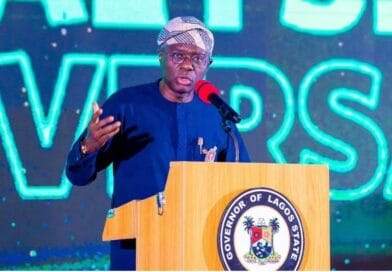
The intervention was highlighted during the 2026 International Widows Day commemoration organised by the Lagos State Ministry of Women Affairs and Poverty Alleviation.
The programme, themed “Justice, Dignity and Economic Power for Widows,” focused on issues including access to justice, protection from discrimination and harmful practices, as well as creating economic opportunities for widows.
But what exactly has the Lagos Government been doing to support widows?
According to the Commissioner for Women Affairs and Poverty Alleviation, Bolaji Dada, the state’s approach goes beyond providing financial assistance.
The ministry has sustained programmes involving skills acquisition, grants, enterprise support and livelihood opportunities aimed at helping women build sustainable sources of income.
Among the interventions are the tuition free Skills Acquisition Centres across the 5 IBILE divisions, the Micro Enterprise Support Initiative, which provides productive equipment to entrepreneurs, and the Life Skills Economic Empowerment Programme.
Dada said the objective is to ensure that government support does not end with immediate assistance but creates opportunities for beneficiaries to become self reliant.
She stressed that widows should not be defined solely by the loss of their husbands, noting that they have skills, experience and the capacity to contribute meaningfully to their families and communities.
The commissioner also called for stronger collaboration between government agencies, civil society organisations, communities and other stakeholders to protect widows from discrimination and harmful traditional practices.
She urged the media to change the way stories about widows are told, saying greater attention should also be given to their resilience, achievements, businesses and contributions to society.
Speaking on behalf of the beneficiaries, Idayat Baiyewu appreciated the state government and the ministry for their continued attention to the welfare of widows.
Earlier, the Permanent Secretary of the ministry, Rianat Onigbanjo, said widows deserved opportunities that would protect their rights, rebuild their confidence and promote economic independence.
The state government’s intervention therefore goes beyond sympathy, with the emphasis placed on giving widows the tools and opportunities to rebuild their livelihoods and become more financially independent.
For the 733 beneficiaries, the bigger question is not only about the assistance received today, but whether the skills, equipment and opportunities provided can help them build sustainable livelihoods for themselves and their families.