
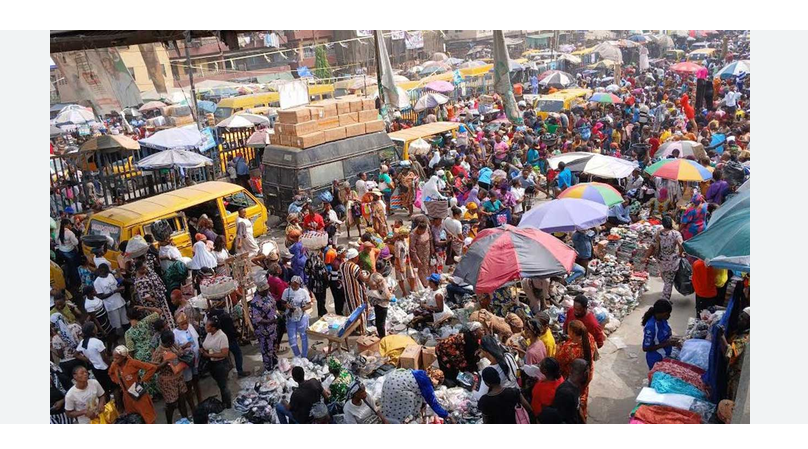
The Small Businesses Keeping Lagos Running
These businesses rarely attract headlines, but they are among the engines that keep Nigeria’s commercial capital functioning. They provide essential services to millions of Lagos residents, yet many owners say surviving in today’s economy has become more difficult than ever.
For a roadside tailor in Surulere, business no longer revolves around making elaborate outfits for weddings and parties. Most customers now come with old clothes that need adjustments, torn school uniforms, broken zippers or ripped seams. He says many families are choosing to repair what they already own instead of spending money on new clothing.
“People still need clothes,” he says, “but many can’t afford to sew new ones anymore.”
While the cost of fabrics, thread, machine maintenance, electricity and transportation has continued to rise, customers often resist price increases.
“If I charge what the work actually costs, some customers leave. If I reduce the price, I hardly make enough to keep the business running.”
The story is similar for phone repair technicians. At Computer Village in Ikeja and countless roadside kiosks across Lagos, demand for repairs has increased because buying a new smartphone has become more expensive for many Nigerians. Cracked screens, faulty charging ports, damaged batteries and software problems keep technicians busy throughout the day.
Ironically, more customers do not always translate into higher profits. Most spare parts are imported, meaning technicians must constantly adjust to fluctuations in exchange rates. By the time replacement parts arrive, prices may have increased significantly, yet customers still bargain aggressively before agreeing to repairs.
Around lunchtime, roadside food vendors experience their busiest hours. Office workers, commercial drivers, artisans, security personnel and students queue for plates of rice, beans, amala, eba and soups that remain more affordable than restaurant meals.
Behind every plate served, however, is a careful calculation. The prices of cooking gas, vegetable oil, tomatoes, pepper, meat and other ingredients continue to fluctuate, while transport costs have made buying supplies from markets more expensive. Rather than increase prices sharply and lose customers, many vendors now quietly reduce portion sizes or adjust their menus to keep the business afloat.
Not far away, a small POS kiosk quickly fills with customers looking to withdraw cash, transfer money or pay utility bills. Although digital banking continues to expand, neighbourhood POS operators remain an essential part of daily life, especially in areas where ATMs are unavailable, empty or out of service.
For many operators, the day’s success depends on one thing—having enough cash. If cash runs out too early or network failures disrupt transactions, customers simply move to the next kiosk. Growing competition has also reduced earnings, forcing many operators to rely on high transaction volumes rather than large profits.
Fruit sellers face another kind of pressure. Their products have a short shelf life, making every day a race against time. Before sunrise, many travel to wholesale markets to buy fresh produce before transporting it across the city. If business is slow or the weather becomes too hot, unsold fruits quickly spoil, turning what should have been income into losses.
Across Lagos, these small businesses are confronting the same reality. Rent continues to rise. Fuel and transportation remain expensive. Electricity is unreliable, forcing many business owners to rely on generators or other costly alternatives. At the same time, consumers are spending more cautiously as household budgets come under pressure.
The Lagos Chamber of Commerce and Industry has repeatedly noted that while inflation has shown signs of easing in recent months, many small businesses are yet to feel meaningful relief because operating costs remain high and consumer purchasing power is still weak.
Despite these challenges, these entrepreneurs continue to open their shops every morning. They negotiate with customers, absorb unexpected costs, adapt to changing market conditions and hope that each day’s earnings will be enough to restock for the next.
They may never be celebrated as business moguls or startup founders, but roadside tailors, phone repair technicians, food vendors, POS operators and fruit sellers are among the people who quietly keep Lagos moving. Their resilience supports families, creates employment, provides essential services and sustains neighbourhood economies across the city.
In a place often defined by its relentless pace, the real story of Lagos is not only found in its skyscrapers or corporate boardrooms. It is written every day in roadside kiosks, market stalls and tiny workshops, where thousands of ordinary Nigerians continue to work tirelessly to keep the city alive.