Lagos Targets 6,000MW Electricity Supply
By Emmanuel Daniji
Lagos State is planning a major overhaul of its electricity market, with a target of generating and supplying 6,000 megawatts (MW) of power and attracting fresh investment into the sector over the next few years.
The state is also looking to move away from an electricity system where power supply is largely based on availability to one where operators have clear contractual obligations to provide reliable services to customers.
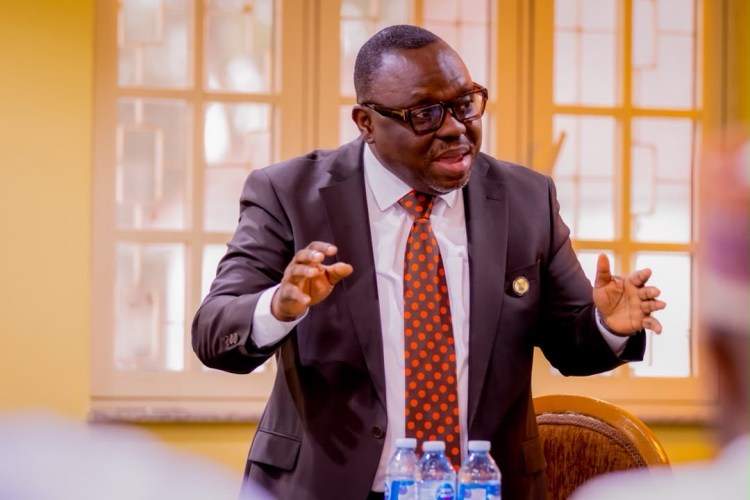
Lagos State Commissioner for Energy and Mineral Resources, Biodun Ogunleye, disclosed this while speaking on the state’s electricity reforms and plans for the future.
The development follows the transfer of regulatory control of the Lagos electricity market from the Nigerian Electricity Regulatory Commission (NERC) to the Lagos State Electricity Regulatory Commission (LASERC).
With this development, Lagos can now regulate electricity activities within the state, issue licences to operators, set service standards and establish rules covering power generation, distribution, metering and customer service.
The state has also established the Lagos Independent System Operator (LAISO) to coordinate electricity supply and market operations.
Ogunleye explained that the new arrangement would allow Lagos to plan its electricity needs around the demands of businesses, industries, residential communities and other users rather than depend mainly on allocations from the national grid.
One of the major challenges, however, is the gap between electricity demand and available supply. According to the commissioner, formal electricity supply in Lagos remains below 1,000MW, despite the state’s huge energy needs and the number of businesses relying on private generators.
To address this, the government plans to attract investors through long-term power purchase agreements, improve electricity networks and encourage private companies to invest in power generation and distribution.
The state is also targeting a six-fold increase in electricity wheeling capacity, which refers to the ability to transport generated electricity through transmission and distribution networks to where it is needed.
Ogunleye said the government was working with the Transmission Company of Nigeria, the Nigerian Independent System Operator and the Federal Government to strengthen existing transmission infrastructure, upgrade overloaded substations and develop a proposed 132kV transmission ring around Lagos.
He added that private investors, infrastructure funds and development finance institutions would be needed to support the massive investment required.
The commissioner also explained that the reforms would introduce stricter performance requirements for electricity operators. These would cover hours of supply, metering, reliability, customer service and network performance.
According to him, the goal is to ensure that electricity companies are held accountable for the services they promise to customers.
Looking ahead, Ogunleye identified five major areas investors should watch over the next two to three years. These include the introduction of a contract-based electricity market, additional power supply of about 2,000MW, improvements to transmission and distribution networks, universal communication-enabled and 100 per cent metering, and investment in gas-to-power and digital electricity infrastructure.
He said Lagos was working towards an electricity market capable of supporting 6,000MW and beyond, with gas, renewable energy, battery storage and other sources expected to contribute.
The commissioner believes the success of the Lagos electricity market could also provide a model for other states seeking greater control over their power sectors.
For residents and businesses, the real test of the reforms will be whether they translate into more reliable electricity, fewer hours spent relying on generators and a better environment for businesses to grow.