Jide Kosoko Defends Tinubu, Cites Student Loan Scheme
Kehinde Adeleye
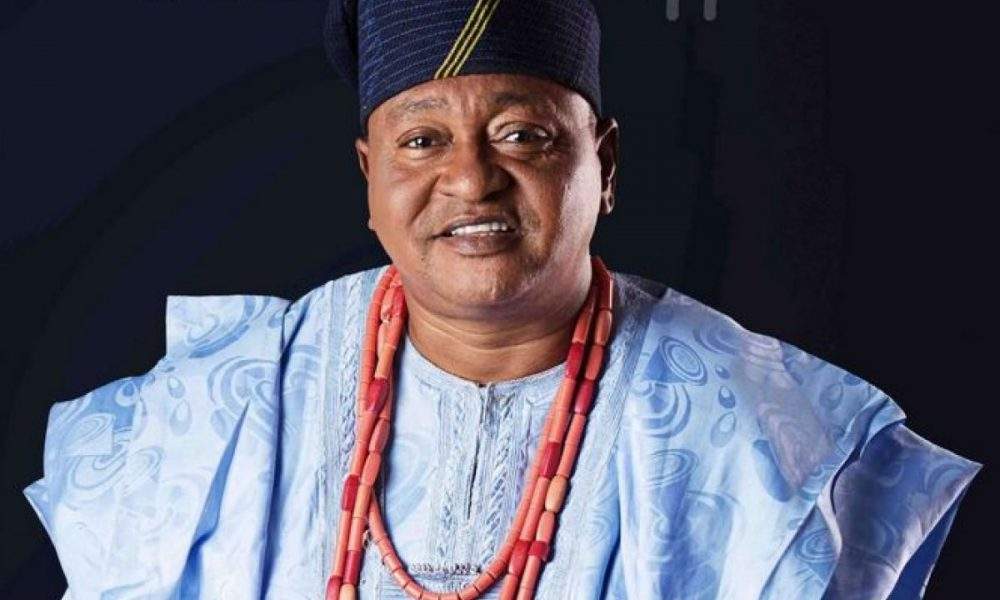
Veteran Nollywood actor Jide Kosoko has defended President Bola Tinubu’s administration, arguing that the government is addressing Nigeria’s challenges and that some critics have overlooked the situation before the President took office.
Kosoko made the remarks during an appearance on Talk To B, a podcast hosted by actress Biola Adebayo, where he urged Nigerians to consider the country’s circumstances before Tinubu assumed office.
“Things are not as bad as some people have claimed and they need to understand. Go and check the majority of those people. Before Tinubu came, what were they eating?” he said.
When asked what evidence ordinary Nigerians could point to in support of the claim that the President was fixing the country, Kosoko maintained that Tinubu was working to address problems inherited by his administration.
The actor cited the government’s student loan scheme as one of the initiatives he believed deserved greater public attention.
He urged beneficiaries to speak about their experiences and explain how the programme had helped them access higher education.
Kosoko also said the government had promised to support graduates who were unable to secure employment immediately after completing their studies, arguing that such initiatives should be recognised in public discussions about the administration’s performance.
The veteran actor, who said he had been involved in politics since 1978, further suggested that political ambition sometimes influenced how people assessed the government’s actions.
According to him, some opposition figures were aware of what he considered progress under Tinubu but allowed their political interests to shape their public positions.
“Those in the opposition know the truth. They know that the man is on the right track, but ambition is affecting their thinking,” Kosoko said.
His comments add to the ongoing public debate over Tinubu’s economic policies, government programmes and the impact of the administration’s decisions on Nigerians.