Serah Faboyede Street Residents Lauds Lagos State Government For Drainage Intervention
By Sherif Salau

Residents of Serah Faboyede Street have expressed renewed hope for lasting relief from recurring flooding as the Lagos State Government steps up drainage intervention to protect properties, businesses and livelihoods.
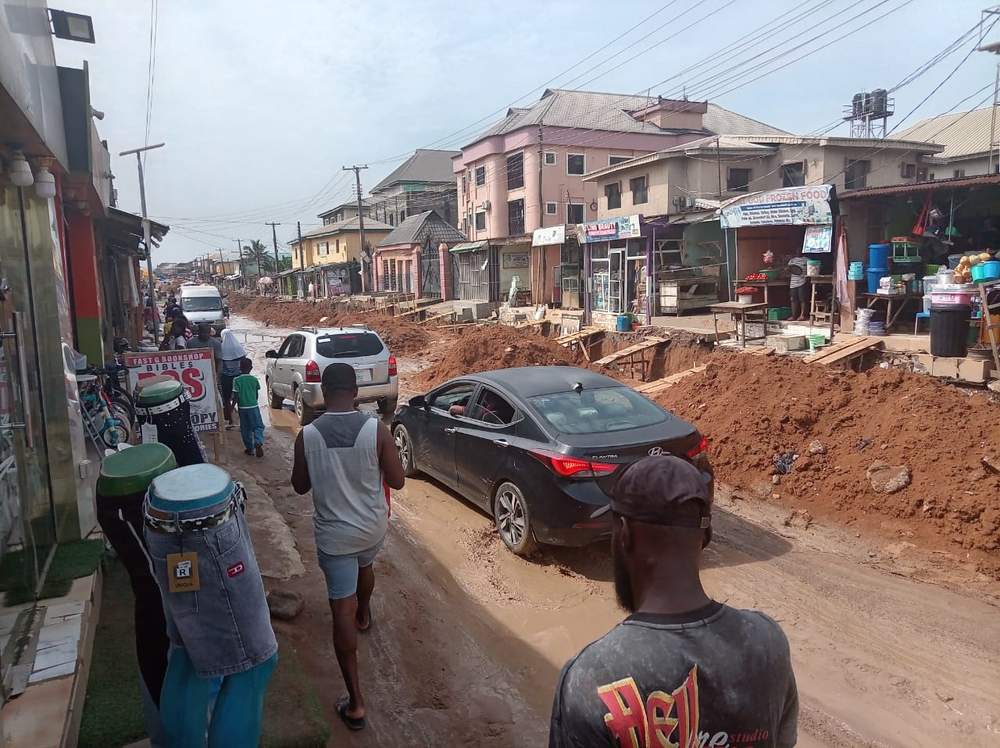
For years, heavy rains turned Serah Faboyede Street in Bucknor, Ejigbo Local Council Development Area, into a near-impassable channel of floodwater. Motorists struggled, pedestrians risked injury, and many residents simply kept their cars indoors rather than expose them to the damage. That long wait for relief appears to be ending.
Residents and stakeholders of the street have welcomed the Lagos State Government’s intervention through the construction of a standard drainage system. The project, they say, addresses a problem that persisted even after the nearby Isheri-Ijegun major road was completed, leaving their community overlooked despite its role as a key link to White Sands in Isheri, Ago Palace in Okota, and Festac in Amuwo-Odofin.
Mr. Owoeye Sherif, a resident of nearly two decades and former chairman of the street association, described the seasonal ordeal in plain terms.
“When it rains, the street is not in good order for motorists or people walking,” he said. He recalled years of advocacy involving the late Mr. Segun Osein, Hon. Paul Fregene (immediate past Secretary to the Local Government of Ejigbo LCDA and current interim street chairman), and other community leaders. Persistent engagement with the state government eventually secured the commitment for a Lagos standard drainage system. Work has now begun.
Sherif called the intervention a major achievement after prolonged endurance. Though his formal tenure as chairman has ended and no new election has been held, he remains active in community affairs and expressed satisfaction that the project is moving forward.
He noted an unexpected visit by the Executive Chairman of Ejigbo LCDA, Aare Taoheed Adebayo Taiwo, accompanied by members of his cabinet. The chairman, according to Sherif, promised to complement the drainage works with interlocking stones to make the street more durable and convenient. “No community develops without a good road,” Sherif observed, adding that completion would open the door to broader progress.
Onowu Austin Okete, a landlord who has lived on the street for about 14 years, described the flooding as “horrible and difficult.” He and fellow residents, he said, are glad the government has finally taken notice. His message to the authorities was one of appreciation mixed with realism: the government has many competing demands, and not every street receives attention at the same time. He prayed for successful completion of the work.
Mrs. Ngozi Godwin Nnayonzo, another long-time resident of more than 20 years, painted a vivid picture of daily hardship. Once rain falls, she said, commercial motorcycle riders often lose control with passengers on board, while walking becomes hazardous. Many vehicle owners avoid using their cars altogether during the rainy season to prevent damage. She welcomed the drainage project but urged the government to follow through with interlocking stones rather than a simple grading. Drawing a comparison with nearby Ailegun Road, she argued that interlocking would provide lasting relief; a graded surface, she warned, would deteriorate again within a couple of years.
Jude Ugba, who has lived in the area for about a decade, echoed the complaints of flooding and erosion, noting that water from compounds often spills onto the street. He thanked the government for what he called a swift intervention and expressed confidence that the work would be completed within the stated 12-month timeline. “They are doing a wonderful job and should continue,” he said, emphasising that infrastructure provision remains a core responsibility of government. The project, in his view, signals a renewed presence of the state in the community after years when residents felt neglected. Once the drainage is in place and the road improved, he expects better living conditions and urged further attention to security and other basic needs.
Across the interviews, a consistent thread emerges: relief mixed with measured optimism. Residents acknowledge the scale of demands on the State but stress that Serah Faboyede Street’s long neglect and its strategic location make the current intervention especially meaningful. Many now look ahead to the complementary interlocking work promised by the local council chairman, hoping it will transform a chronically flood-prone thoroughfare into a functional and lasting asset for the community and the wider network of neighbourhoods it serves.