EXPLAINER: Why Lagos Wants to Raise Power Supply to 3.5GW
Kehinde Adeleye
Blackouts remain a major challenge for households, businesses and industries across Lagos, but the state government says it is working on a new strategy aimed at significantly increasing electricity supply and reducing dependence on the unstable national grid.
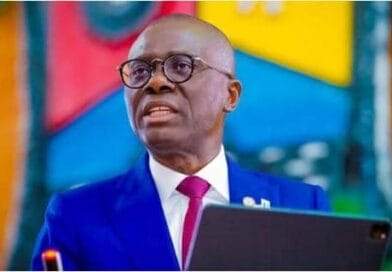
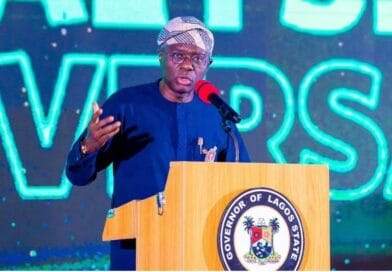
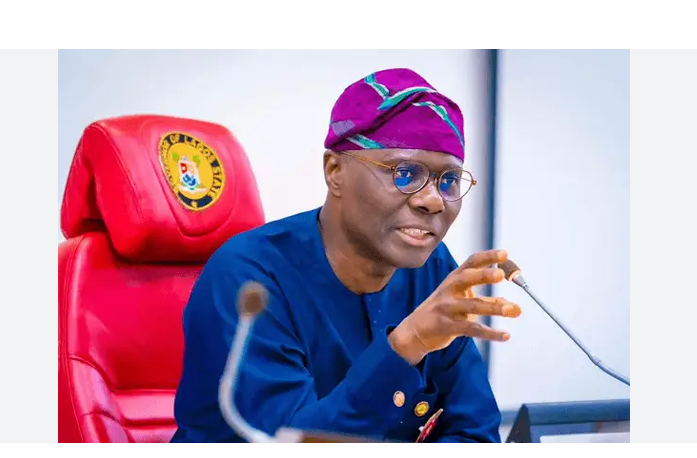
Governor Babajide Sanwo-Olu has set a target of raising electricity supply in Lagos to about 3.5 gigawatts (GW) as the state intensifies efforts to address its persistent power crisis.
The target was announced at the Lagos State High-Level Strategic Power Town Hall, which brought together regulators, electricity distribution companies, transmission operators, investors, asset managers and Federal Government representatives.
How much electricity does Lagos currently get?
Despite the huge electricity demand in Lagos, the state currently receives less than 1GW from the national grid, according to the Commissioner for Energy and Mineral Resources, Biodun Ogunleye.
This is despite the Transmission Company of Nigeria having the capacity to transmit about 3.5GW to the state.
The gap between available transmission capacity and the electricity actually reaching consumers is one of the issues the government wants to address.
Lagos says it is working to secure an additional 2GW, with the broader objective of bringing available electricity supply to approximately 3.5GW.
Why does 3.5GW matter?
More available electricity does not automatically mean every home will have uninterrupted power, but the government believes a significant increase in supply would allow more electricity feeders to operate and improve supply to households, businesses and industries.
The state is also looking beyond simply getting more electricity into Lagos. It wants to strengthen the infrastructure required to distribute that electricity effectively.
Newly commissioned substations are expected to support this effort, while the government plans to work with distribution companies to monitor selected feeders and determine whether supply is actually improving.
Can Lagos consumers be expected to pay more?
The question of electricity tariffs is also part of the conversation.
Ogunleye said consumers should not be expected to “pay for darkness,” stressing that improved metering and infrastructure must accompany any tariff increases.
The argument is that consumers need to see improvements in electricity supply and service delivery if they are to have confidence in the electricity market.
Lagos wants its own electricity market
Another major component of the plan is the proposed Clean Lagos Electricity Market (CLEM).
Presidential Special Adviser on Power and Chairman of the Presidential Taskforce on Power Sector Reset and Restoration, Rilwan Babalola, said the challenge facing Nigeria is no longer simply about generating more electricity but creating a market where power can be reliably supplied, properly metered and paid for.
The proposed CLEM would seek to connect electricity demand with available generation through mechanisms such as bilateral contracts, open access, demand aggregation and payment guarantees.
The initial proposal is for a 500MW pilot, which would be expected to demonstrate that electricity can be supplied reliably, measured accurately and paid for transparently before the model is expanded.
Why is Lagos creating a separate electricity market?
Nigeria’s electricity sector has undergone significant changes following constitutional amendments and the Electricity Act, which allow states to establish and regulate their own electricity markets.
For Lagos, this creates an opportunity to develop electricity solutions specifically around the state’s enormous demand from homes, commercial centres and industries.
However, Babalola warned that state electricity markets must not become isolated systems. Coordination will still be required between Lagos, the Nigerian Electricity Regulatory Commission, interstate electricity trading arrangements and the national transmission network.
What is currently affecting electricity supply?
The Lagos State Electricity Regulatory Commission identified several problems affecting the sector, including insufficient generation and transmission capacity, electricity theft, vandalism and non-payment of electricity bills.
Its Chief Executive Officer, Temitope George, said electricity demand in Lagos, which previously exceeded 1,500MW, had recently fallen below 1,000MW.
She urged consumers to pay their electricity bills, noting that widespread non-payment weakens the electricity market and makes it more difficult to provide reliable supply.
What else is Lagos doing?
The state is also looking beyond the national grid.
George said Lagos was restructuring its existing Independent Power Projects to make them more attractive to investors without placing excessive financial pressure on the government.
The state is also exploring embedded power generation, which could provide electricity closer to where it is consumed and reduce dependence on the national grid.
So, will the blackouts end?
That remains the big question.
Lagos’ 3.5GW target is ambitious, but increasing supply will require more than generating electricity. The state will need adequate transmission and distribution infrastructure, effective metering, investment, payment discipline and cooperation among regulators, power companies and consumers.
The proposed electricity market is therefore an attempt to address the problem from several angles rather than relying solely on the national grid.
For Lagos residents, the real measure of success will not be the number of megawatts announced, but whether those megawatts eventually translate into fewer blackouts, longer hours of supply and more reliable electricity for homes and businesses.