No Fuel Attendants, No Cash? Is Lagos Ready for Self Service Fuel Stations?
For decades, buying fuel in Nigeria has followed a familiar routine. Motorists drive into a filling station, an attendant asks how much fuel is required, receives payment and dispenses the product before handing over a receipt.
That routine may now be changing.
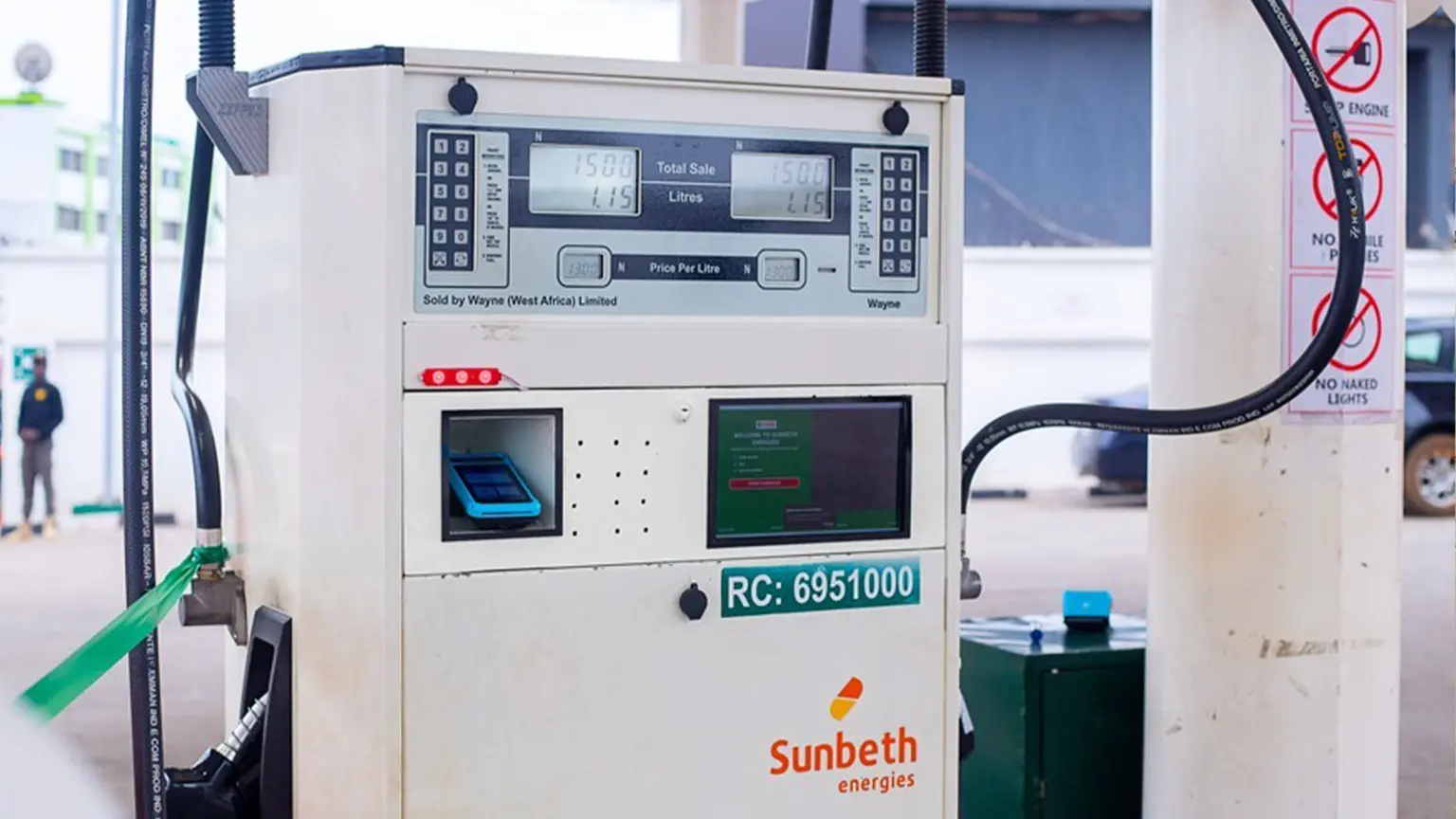
With the unveiling of what is described as Nigeria’s first self service fuel station by Sunbeth Energies Limited in Ogba, Lagos, the country’s downstream petroleum sector appears to be taking its first major step towards a fully digital retail experience, similar to what already exists in parts of Europe, North America and Asia.
The innovation allows motorists to purchase fuel without interacting directly with attendants. Instead, customers can initiate, monitor and complete the entire fuelling process themselves using an automated digital platform that displays the quantity dispensed and confirms payment in real time.
While the launch represents a technological milestone, it also raises an important question: Is Lagos truly ready for self service fuel stations?
Lagos is Nigeria’s commercial capital and has historically served as the testing ground for innovations ranging from Bus Rapid Transit to contactless transport payments, electronic tolling and digital banking. It is therefore unsurprising that the state’s first self service fuel station would emerge there.
Supporters of the innovation believe it could transform fuel retail by reducing disputes over under-dispensing, increasing transparency and giving customers greater control over every transaction. Real-time monitoring of litres dispensed and automated payment systems could also improve accountability and customer confidence.
The model may also shorten waiting times during off-peak periods, encourage cashless transactions and reduce opportunities for human error in fuel dispensing. For station operators, automation could improve operational efficiency, provide better inventory management and generate valuable data on consumer behaviour.
However, the introduction of self service fuelling is not without challenges.
Nigeria remains a country where many motorists are accustomed to attendant-assisted purchases. Elderly customers, first-time users and people with limited digital literacy may initially struggle to navigate the new system despite the presence of customer support personnel.
Safety is another concern.
In many countries where self service stations are common, motorists receive clear instructions on handling fuel pumps, observing fire safety rules and responding to emergencies. Whether similar levels of public awareness and compliance exist in Nigeria remains an open question.
There are also concerns about payment failures, internet connectivity, power supply interruptions and potential cybersecurity risks associated with digital payment platforms. Any prolonged system downtime could disrupt operations and frustrate customers.
The innovation may also reshape employment within the downstream sector. Although Sunbeth Energies has retained customer experience personnel at its Ogba station to assist users, industry observers say wider adoption of self service technology could alter the traditional roles of fuel attendants, requiring many to acquire new digital and customer support skills.
Sunbeth Energies said the platform was developed in partnership with Tech Brokers Limited and forms part of a broader strategy to digitise its retail operations.
Speaking at the unveiling, Managing Director Lateef Abioye described the launch as a defining moment for Nigeria’s downstream petroleum industry, saying the innovation would improve transparency, convenience and customer confidence.
“Our ambition is to set a new industry standard for how energy products are delivered in Nigeria,” he said.
Chief Executive Officer of Tech Brokers Limited, Wasiu Popoola, said the technology demonstrates that Nigerian companies can develop world-class digital solutions to address local challenges.
For Lagos, the launch may represent more than the opening of another filling station. It is a test of how quickly consumers can adapt to a technology that has become routine in many developed economies but remains entirely new in Nigeria.
Whether motorists embrace the innovation or continue to prefer attendant-assisted fuelling will likely determine whether self service stations become the next major shift in Nigeria’s petroleum retail industry.
One thing is certain: the first pump has been installed. The bigger question is whether Lagos, and eventually Nigeria, is ready to use it.