
Cyber Threats Escalate as Experts Demand New Strategy
Cybersecurity experts have urged Nigeria to move beyond reacting to cyberattacks and adopt a stronger preventive strategy as criminals increasingly deploy artificial intelligence and other emerging technologies to expand the scale and sophistication of online fraud.
The warning comes as phishing, ransomware, business email compromise, identity theft, data breaches and AI-assisted scams continue to pose growing risks to individuals, businesses and government institutions.
Nigeria’s Computer Emergency Readiness Team, ngCERT, has raised concerns over the rise in high-impact cyber incidents affecting organisations across the country. Among the threats identified are ransomware, phishing, business email compromise and data breaches, with criminals increasingly turning to AI-powered tools and crime-as-a-service platforms to improve the speed and reach of their operations.
Cybersecurity stakeholders say the development requires a fundamental change in how Nigeria approaches digital security. Rather than waiting for attacks to occur before responding, they want government agencies, businesses and other institutions to strengthen threat detection, intelligence gathering, information sharing and incident response systems.
The concern is not limited to Nigeria. INTERPOL’s 2025 Africa Cyberthreat Assessment revealed that cyber-related offences accounted for more than 30 per cent of reported crime in Western and Eastern Africa. Online scams, ransomware, business email compromise and digital sextortion were among the prominent threats identified across the continent.
The international policing organisation has called for deeper collaboration between law enforcement agencies, governments and technology companies, alongside increased investment in cybersecurity awareness, technical expertise and preventive measures.
In Nigeria, justice-sector stakeholders have similarly advocated a rethink of the country’s cybercrime strategy as criminals exploit artificial intelligence to produce convincing scams, deepfakes and other forms of digital deception.
Following a specialised training programme on cybercrime, artificial intelligence and digital evidence in Lagos, stakeholders called for stronger systems for handling digital evidence, closer collaboration among investigative agencies and continuous training for investigators, prosecutors and judicial officers.
Businesses are also facing pressure to strengthen their defences as cybercriminals become more sophisticated. Deloitte’s Nigeria Cybersecurity Outlook 2026 highlighted the growing threat from AI-powered scams, ransomware and identity fraud, while warning that organisations could face continued pressure from emerging technologies and increasingly sophisticated attacks.
Experts say one of the most effective lines of defence remains cybersecurity awareness. Employees and members of the public can inadvertently provide criminals with access to sensitive systems through weak passwords, malicious links, social engineering and other avoidable mistakes.
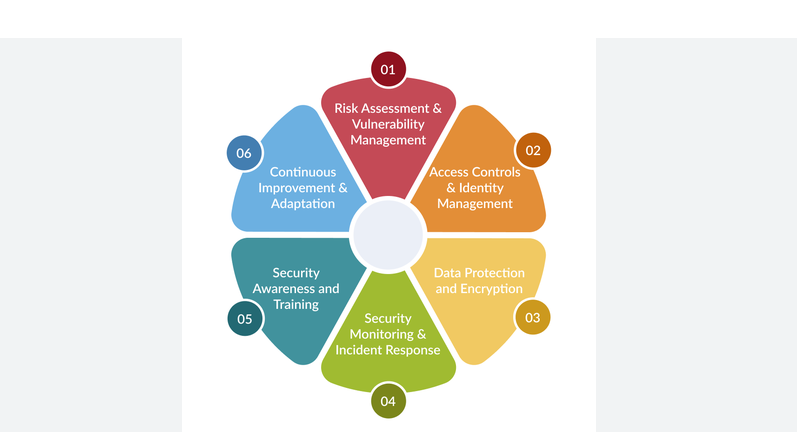
They are therefore advocating wider adoption of multi-factor authentication, regular software updates, secure data backups, stronger identity controls, employee training and continuous monitoring of networks and digital systems.
Law enforcement agencies, meanwhile, need greater investment in specialised cybercrime teams, digital forensic tools and real-time intelligence capabilities to identify and disrupt criminal networks before attacks cause widespread damage.
Cross-border cooperation will also be critical, given that many cybercrime networks operate across several jurisdictions. An INTERPOL-led operation in Africa in 2025, which resulted in hundreds of arrests and the seizure of thousands of devices, highlighted the potential impact of coordinated international action against digital crime.
As Nigeria accelerates its digital transformation, experts argue that cybersecurity can no longer be treated solely as an information technology issue. The protection of financial systems, public infrastructure, businesses and citizens is increasingly tied to the country’s economic and national security interests.
Stakeholders are therefore calling for a shift towards a security model that anticipates threats instead of simply responding to them. They say stronger technology, skilled personnel, public awareness, intelligence sharing and international cooperation will be essential if Nigeria is to stay ahead of cybercriminals.
With artificial intelligence giving criminals new ways to deceive, automate and scale attacks, experts warn that Nigeria’s best defence is to prepare before the next attack—not after the damage has already been done.