
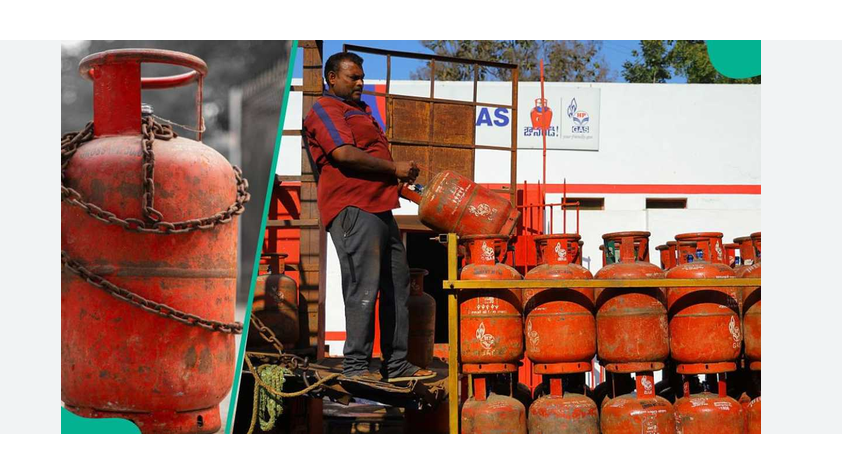
Customs Waives VAT on CNG, EVs and Cooking Gas
The Nigeria Customs Service (NCS) has reaffirmed that Compressed Natural Gas (CNG), cooking gas (Liquefied Petroleum Gas), electric vehicles (EVs) and related equipment are exempt from Value Added Tax (VAT).
This is a move aimed at accelerating Nigeria’s transition to cleaner energy and reducing transportation and household energy costs.
The Service said the tax relief forms part of the Federal Government’s fiscal incentives designed to promote alternative energy, encourage investment in clean technologies and support President Bola Tinubu’s drive to expand the use of gas and electric mobility across the country.
Under the policy, VAT will not be charged on CNG and LPG equipment, conversion kits, conversion and installation services, imported LPG, feed gas for processed gas and infrastructure developed to support the Presidential CNG Initiative. Electric vehicles, their components, semi-knock-down kits for local assembly, as well as the manufacturing, assembly and sale of EVs also qualify for the exemption.
The Customs Service explained that the incentives are intended to lower the cost of adopting cleaner fuels and energy-efficient technologies, making them more affordable for households, transport operators and businesses.
The policy also complements the government’s broader energy transition agenda, which includes expanding the Presidential Initiative on Compressed Natural Gas to cover electric vehicles in a bid to reduce dependence on petrol and diesel, cut carbon emissions and improve energy security.
Industry stakeholders believe the VAT exemption will encourage more Nigerians to convert petrol-powered vehicles to CNG, invest in electric vehicles and adopt cleaner cooking solutions. They also expect the incentives to stimulate local manufacturing, create jobs and attract private investment into Nigeria’s growing clean energy ecosystem.
The NCS urged importers, manufacturers and investors to take advantage of the incentives while complying with all import regulations, noting that the policy aligns with ongoing efforts to make Nigeria a more attractive destination for investments in renewable energy, gas infrastructure and sustainable transportation.