FG Tightens Traffic Rules on Lagos-Calabar Coastal Highway
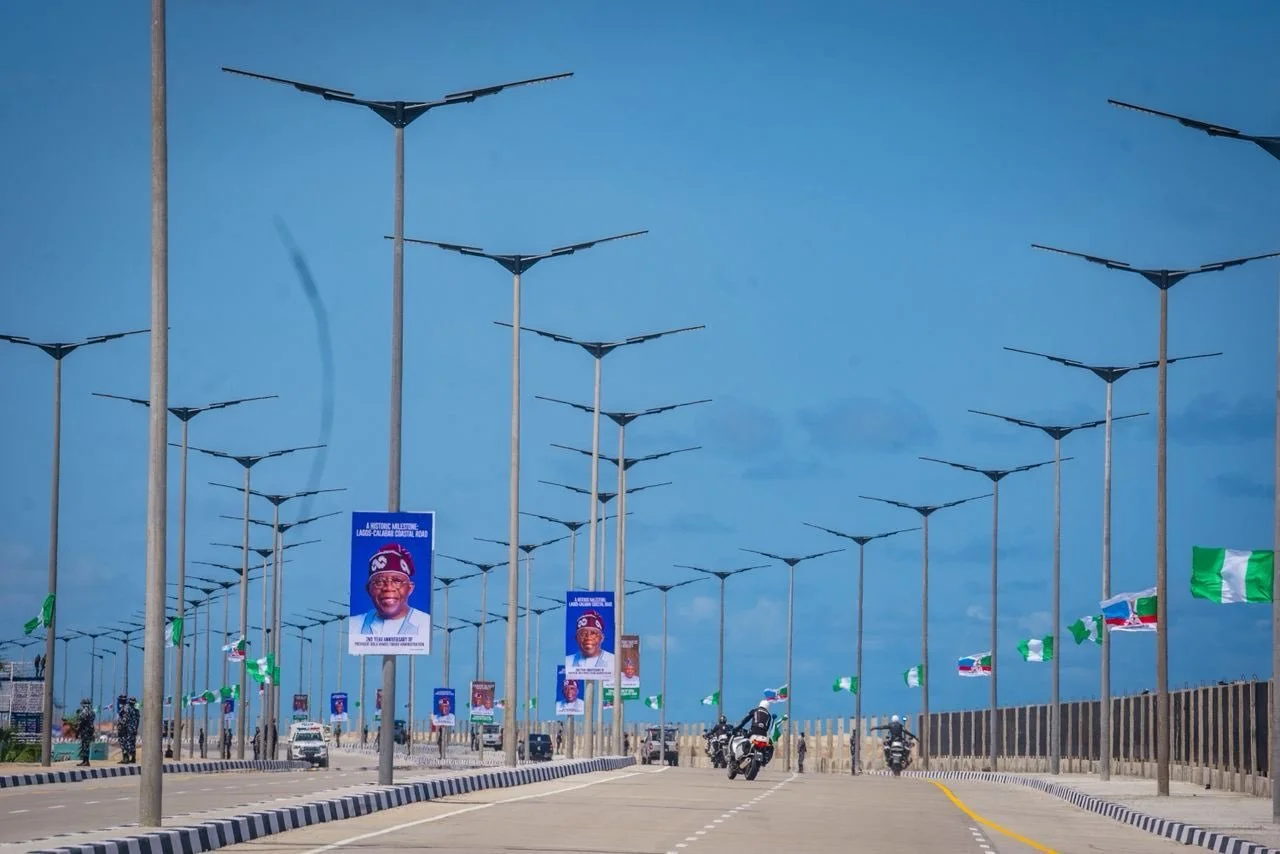
The Federal Government has unveiled a fresh set of traffic regulations for the Lagos-Calabar Coastal Highway, banning the movement of commercial motorcycles and tricycles while clamping down on the indiscriminate parking of trucks and articulated vehicles along the route.
The new directives, announced by the Federal Ministry of Works through the Federal Controller of Works in Lagos State, Olufemi Dare, are part of efforts to preserve the newly completed sections of the landmark highway and guarantee safer, smoother traffic flow for all road users.
According to the ministry, the restrictions are designed to shield the multi-billion-naira infrastructure from abuse, reduce premature wear and tear, and maintain the road to international standards. Officials stressed that allowing heavy vehicles to park along the highway or permitting motorcycles to operate freely could compromise both road safety and the lifespan of the project.
In addition to the ban on okada and keke operations, the government warned truck drivers against using the highway and bridges as parking lots, describing the practice as hazardous to motorists and damaging to critical road infrastructure.
The ministry also prohibited the dumping of refuse along the highway corridor, noting that indiscriminate waste disposal not only degrades the environment but also obstructs drainage systems and threatens the long-term condition of the road.
To enforce the new regulations, traffic signs have been installed at strategic locations, while enforcement teams will patrol the corridor to ensure compliance. Authorities warned that violators would face sanctions in accordance with existing traffic and environmental laws.
Motorists, transport operators and other road users have been urged to cooperate with the new measures, which the government says are essential for protecting one of Nigeria’s most ambitious infrastructure projects.
The Lagos-Calabar Coastal Highway is a flagship initiative of the Federal Government aimed at transforming transportation along Nigeria’s Atlantic coastline. When completed, the highway will connect several coastal states, improve the movement of people and goods, reduce travel time, and unlock new opportunities in trade, tourism, logistics and regional economic development.
Government officials expressed confidence that strict adherence to the new traffic rules will help preserve the highway’s quality and ensure it delivers long-term economic and social benefits for the country.