
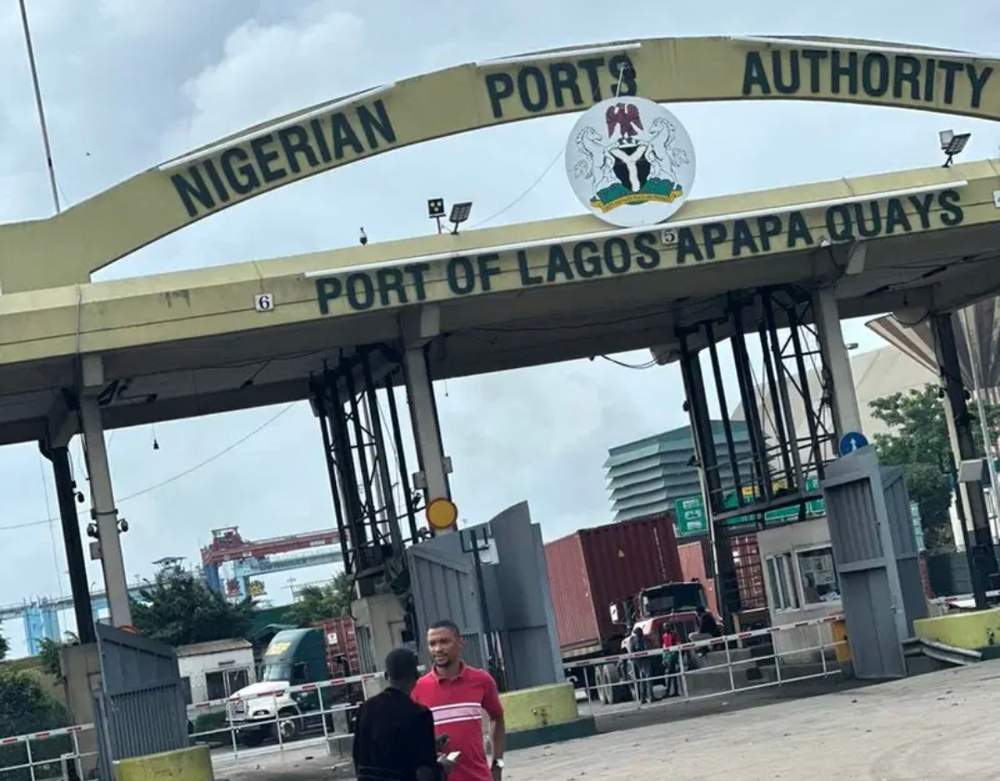
Apapa Customs, Stakeholders Push Digital Reforms to End Cargo Delays
Rewrite this story in a more unique and dynamic way with a title. Clearing the Bottlenecks: Apapa Customs, Stakeholders Demand Digital Shift to End Cargo Delays
A renewed push to overhaul operations at Nigeria’s busiest seaport is gaining momentum, as customs authorities and industry stakeholders rally for decisive reforms to tackle persistent cargo delays at Apapa.
At a high-level engagement with the Nigeria Customs Service (NCS), freight forwarders, clearing agents, and port operators voiced growing concern over systemic inefficiencies slowing down cargo clearance. They warned that weak coordination among key players and inconsistent policy execution continue to undermine trade facilitation at the critical gateway.
Central to the discussions was a strong call for the full deployment of digital cargo scanning systems, seen as a game-changer for reducing physical inspections and human bottlenecks. While scanning infrastructure already exists, stakeholders noted that its benefits remain limited due to poor integration and uneven adoption across the port system.
Industry leaders also highlighted a widening disconnect between customs authorities and licensed clearing agents, stressing that improved collaboration is essential to achieving efficiency. Without alignment among all actors, they warned, operational delays will persist despite ongoing reforms.
The push for reform aligns with a broader national strategy to modernise port operations. The NCS, in partnership with the Presidential Enabling Business Environment Council (PEBEC), has introduced a comprehensive framework built on risk-based inspections, joint cargo examinations, enhanced scanning technology, and stricter enforcement of clearance timelines.
Customs authorities say the goal is to transition fully to intelligence-led cargo processing, moving away from blanket inspections toward data-driven systems that target high-risk shipments. This shift is expected to speed up clearance, reduce costs for importers, and improve Nigeria’s competitiveness in global trade.
These efforts are further reinforced by ongoing digitalisation initiatives such as the National Single Window platform, designed to unify documentation and approvals across agencies. If effectively implemented, experts estimate cargo dwell time—currently averaging up to three weeks—could drop to under seven days, marking a major leap in efficiency.
However, stakeholders insist that technology alone is not enough. They argue that compliance reform, institutional coordination, and consistent execution will ultimately determine whether these measures deliver real impact or remain policy ambitions.
As pressure mounts on authorities to deliver tangible results, Apapa Port stands at a critical turning point—where the success of digital transformation and regulatory discipline could redefine the future of Nigeria’s maritime trade.