Middle East Crisis Triggers Global Rush for Dangote Fertiliser
Demand for fertiliser from Dangote Fertiliser Limited is climbing sharply across international markets as tensions involving the United States, Israel and Iran continue to disrupt global supply chains for key agricultural inputs.
Industry analysts say the conflict in the Middle East has unsettled fertiliser production and distribution networks, particularly as it affects the supply of essential components such as ammonia and urea. The situation has also driven up the cost of natural gas, a critical feedstock used in fertiliser manufacturing, forcing several producers to scale back output and creating supply shortages in parts of the world.
With traditional supply routes under strain, importers are increasingly looking to alternative producers to meet their needs. This shift has placed Nigeria’s Dangote fertiliser facility in a strategic position within the global market.
A senior executive of Dangote Industries Limited, Devakumar Edwin, noted that the company has recorded a significant spike in international orders as buyers scramble to secure reliable supplies amid the unfolding crisis.
According to him, customers across multiple regions are turning to Dangote’s production base to compensate for the shortfall created by geopolitical tensions and supply disruptions.
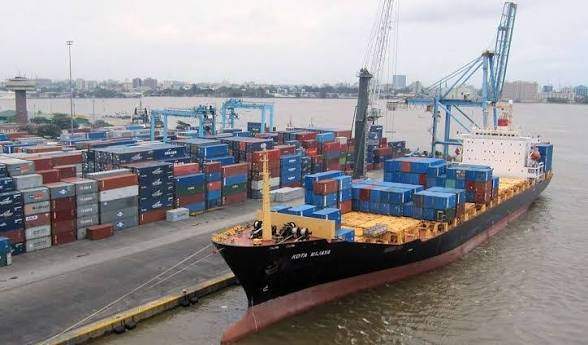
The situation has been worsened by uncertainties along vital shipping lanes, particularly around the Strait of Hormuz, a key corridor for energy exports and fertiliser-related commodities. Rising freight costs and logistical delays in the region have further tightened global supply.
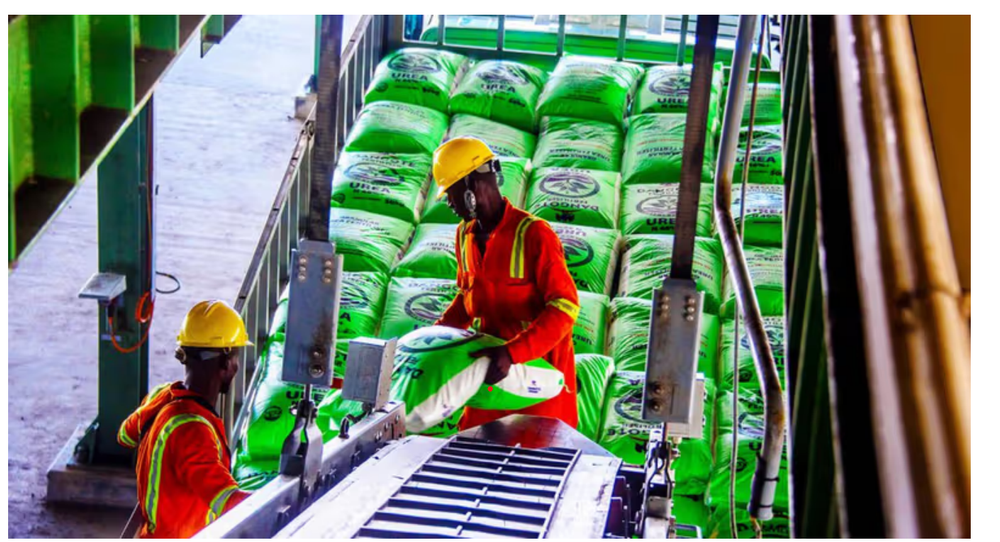
Located in the Lekki Free Zone of Lagos, the Dangote fertiliser complex remains the largest granulated urea facility in Africa, with an annual production capacity of about three million metric tonnes. The plant supplies fertiliser to both local farmers and international markets, with roughly 37 percent of its output exported to countries including the United States and several major agricultural economies.
Market watchers say the surge in demand reflects Nigeria’s growing importance in the global fertiliser industry as shifting geopolitical dynamics reshape traditional supply routes.
However, analysts caution that prolonged instability in the Middle East could still push fertiliser prices higher worldwide, potentially increasing farming costs and fuelling food inflation across many regions.
For Nigeria, the rising demand presents a mix of opportunity and caution, offering the potential for stronger export earnings and industrial growth, while also highlighting the vulnerability of global commodity markets to geopolitical shocks