
Fuel Crisis: Nigeria Leans on Dangote, UK Queues
Escalating hostilities between the United States and Iran are sending tremors through the global energy market, tightening fuel supplies and pushing pump prices higher across continents.
As crude oil prices surge on fears of disruption to key Middle Eastern export routes, particularly the Strait of Hormuz, nations heavily reliant on fuel imports are beginning to feel the squeeze.
In the United Kingdom, anxiety has spilt onto the streets. Motorists, wary of further price hikes and potential supply interruptions, have crowded petrol stations in several cities. Reports of patchy supply and price jumps — with pump costs rising by as much as 11 pence per litre in some locations, have deepened concerns over energy security. For many households already navigating cost-of-living pressures, the spike in fuel costs threatens to erode fragile economic gains.
Energy analysts warn that sustained geopolitical instability could drive global oil benchmarks even higher, amplifying inflationary pressures across Europe and beyond. With refining capacity stretched and shipping routes exposed to risk, market volatility has become the new normal.
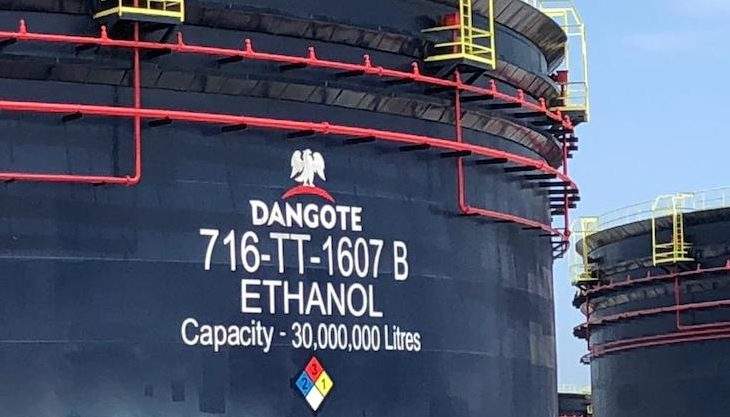
Nigeria’s experience, however, tells a slightly different story. While domestic fuel prices have also climbed in response to rising crude costs, the country has so far avoided the chaotic scenes unfolding in parts of Europe. Central to this resilience is the Dangote Petroleum Refinery, which has strengthened local refining capacity and reduced dependence on imported petroleum products.
In recent adjustments, ex-depot petrol prices rose by about ₦100 per litre, moving from roughly ₦774 to ₦874, while diesel prices also edged above ₦1,000 per litre. Though the increases have added to inflationary strain, particularly in transportation and logistics, supply has remained relatively stable, with no widespread reports of panic buying or prolonged scarcity.
Industry observers credit Nigeria’s expanding domestic refining footprint for cushioning the impact of global supply disruptions. By processing crude locally, the country has gained a measure of insulation from international market shocks, even as it remains exposed to crude price fluctuations.
The broader outlook, however, remains uncertain. Should tensions persist and oil prices climb further, both advanced and emerging economies may face renewed economic headwinds. For now, while British motorists queue anxiously at fuel stations, Nigeria is leaning on its growing refining muscle to keep the pumps flowing in the face of a volatile global energy landscape.