FG Seeks Investors for $10bn Steel Expansion
Nigeria is intensifying efforts to convert its estimated $10 billion annual steel demand into a springboard for industrial transformation, as the Federal Government steps up engagement with international investors to scale up domestic production.
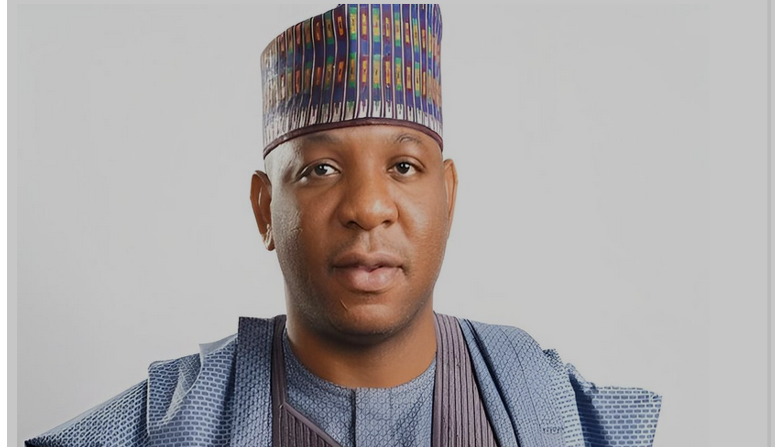
At the Nigeria–German Economic Forum in Dortmund, the Minister of Steel Development, Shuaibu Audu, outlined a bold vision to reposition Nigeria from a major importer of steel products to a continental manufacturing powerhouse.
Describing the sector as a “once-in-a-generation opportunity,” Audu said Nigeria’s strong domestic demand signals vast room for value creation through local processing and fabrication. With a population approaching 250 million and one of the youngest workforces globally, the country offers investors both a ready market and strategic access to African trade corridors under continental free trade agreements.
The steel development drive forms a key pillar of President Bola Ahmed Tinubu’s Renewed Hope economic agenda, which prioritises value-added manufacturing over raw material exports. Nigeria holds more than three billion tonnes of iron ore deposits alongside abundant limestone, manganese, copper and rare earth minerals — resources officials say provide a solid foundation for a thriving metals industry.
Beyond expanding steel mills, the government is focusing on strengthening the entire value chain. Plans include investments in mineral beneficiation, power generation, rail logistics, gas supply and port infrastructure to lower production costs and improve competitiveness. Audu emphasised that new partnerships must deliver not just capital inflows but also technology transfer and workforce development to build a globally competitive industry.
Reducing Nigeria’s heavy reliance on imported steel is another central objective. Billions of dollars in foreign exchange are spent annually on steel imports, a drain the government aims to reverse by boosting domestic capacity. Recent reforms have already attracted roughly $500 million in foreign direct investment into the sector within the past two years, signalling renewed investor interest.
Industry analysts believe that with sustained policy consistency, improved infrastructure and enhanced security in mining corridors, Nigeria could move beyond self-sufficiency to become a regional steel exporter. If successfully executed, the strategy could stimulate job creation, strengthen supply chains and anchor a new phase of industrial growth across the country.