
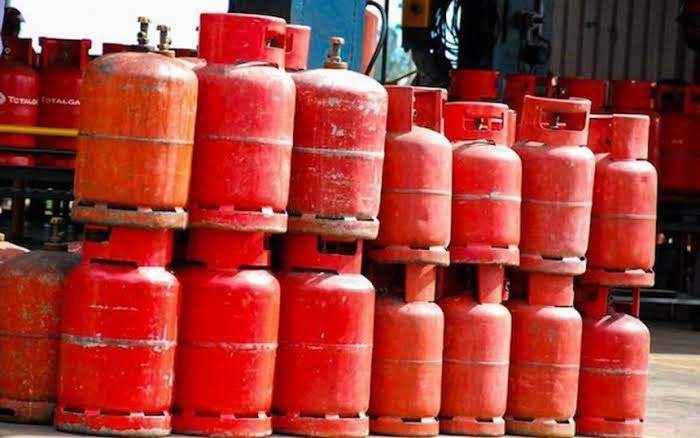
Cooking Gas Prices in Nigeria Rises Amid US–Iran Conflict

The conflict between the United States, Israel and Iran is no longer just a distant geopolitical crisis, but it is now directly affecting everyday life for Nigerians as global energy markets reel from rising prices and supply disruptions.
Depot owners across Nigeria have increased the price of liquefied petroleum gas (LPG), widely known as cooking gas, by about ₦100 per kilogram. Before the rise, most LPG was selling for roughly ₦800/kg, but new checks show major distributors adjusting prices — Nipco Plc now at around ₦950/kg, Navgas Limited at ₦900/kg, and Techno Oil Ltd at about ₦885/kg, reflecting the sharp uptick in global crude costs following renewed Middle East hostilities.
The bump in LPG prices is a direct consequence of surging global oil prices tied to the expanding conflict that has disrupted crude flows from the Persian Gulf. Nigeria’s own benchmark crude, Bonny Light, has climbed to around $80 per barrel from about $70, while other global benchmarks such as Brent and Murban have also recorded strong gains amid market volatility created by the war. Because Nigeria depends heavily on imported refined petroleum products and LPG, domestic energy costs tend to follow international trends closely, and higher crude usually means higher replacement costs for imported products.
The ripple effects of the conflict go well beyond kitchen fuel. Middle East tensions, including attacks in and around the Strait of Hormuz, a strategic checkpoint for about a fifth of the world’s crude and liquefied natural gas shipments, have caused global oil prices to spike and disrupted supply chains, adding inflationary pressure in countries around the world. Oil markets have remained volatile, with traders pricing in a “geopolitical risk premium” that keeps crude elevated as long as the conflict continues.

In Nigeria, the squeeze on energy costs comes at a time when fuel markets are already sensitive. Recent increases in petrol prices, with Premium Motor Spirit (PMS) rising sharply at the pump following adjustments in ex-depot pricing by major refiners, underscore how quickly global oil shocks feed into local transport and living costs. Pump prices in key cities have jumped, with some stations reporting petrol approaching nearly ₦1,000 per litre.
For ordinary Nigerians, higher LPG and petrol prices mean a direct hit to household budgets and business operating costs, since energy feeds into food preparation, transportation and virtually all sectors of daily life. Industry groups have warned that prolonged geopolitical instability could further increase crude and fuel prices and put additional upward pressure on inflation and foreign exchange stability in Nigeria. Calls are growing for stronger domestic refining capacity and measures to reduce reliance on imported products, in hopes of cushioning consumers from external shocks.
As long as the conflict continues and global crude benchmarks stay elevated, Nigerians may see living costs rise further underscoring how interconnected international geopolitics and local household expenses have become