Magodo-Shangisa Crisis: Residents Welcome Lagos Intervention
By Sherif Salau

Residents of Magodo and Shangisa have reasons to hope for a peaceful resolution as the Lagos State Government steps in to de-escalate the lingering dispute between both communities, convening stakeholders and ordering the release of arrested persons.
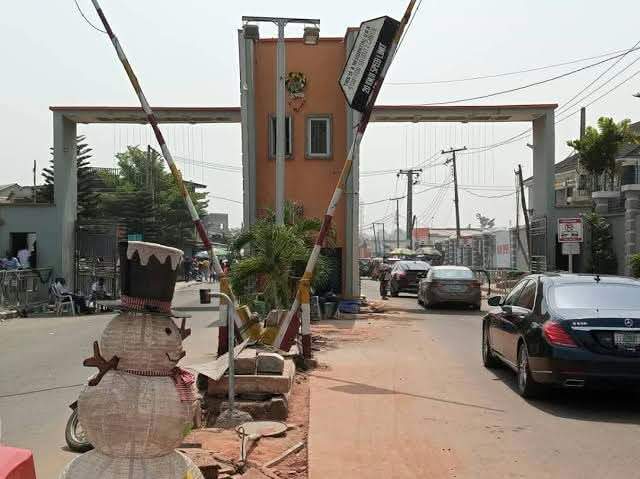
The dispute, rooted in a long-standing Supreme Court judgment, pits the Magodo Residents Association against the Shangisha Landlords Association, the judgment creditors. Although Governor Babajide Sanwo-Olu had previously approved alternative land for the landlords in a bid to implement the court ruling, disagreements over access through the estate’s roads and entrance continued to fester. On Wednesday, reports that some judgment creditors had allegedly forced control of the gate prompted a police deployment. A confrontation followed, and three people were arrested.
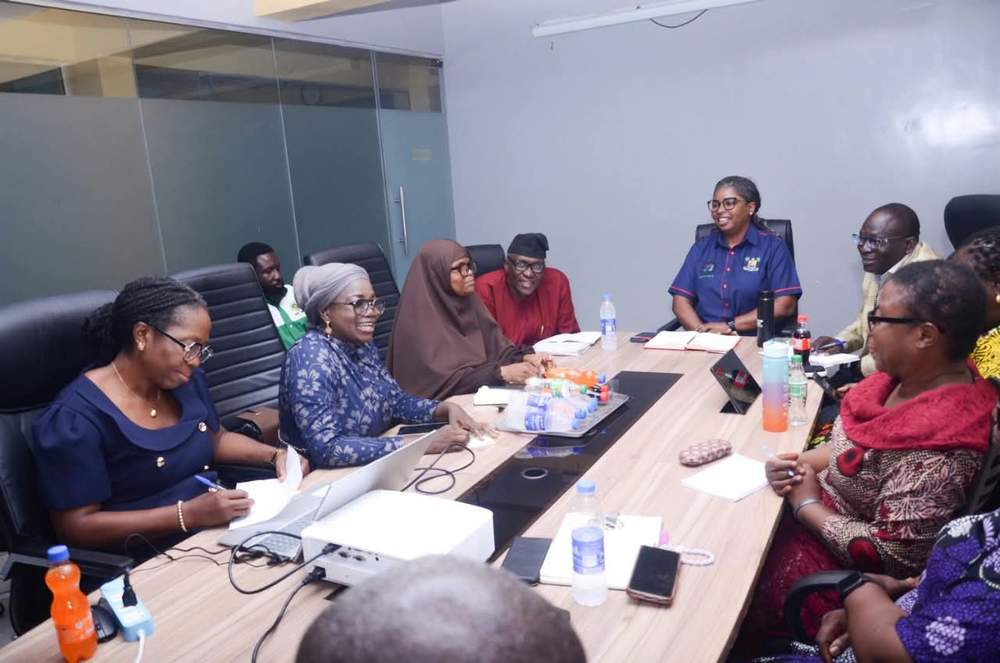
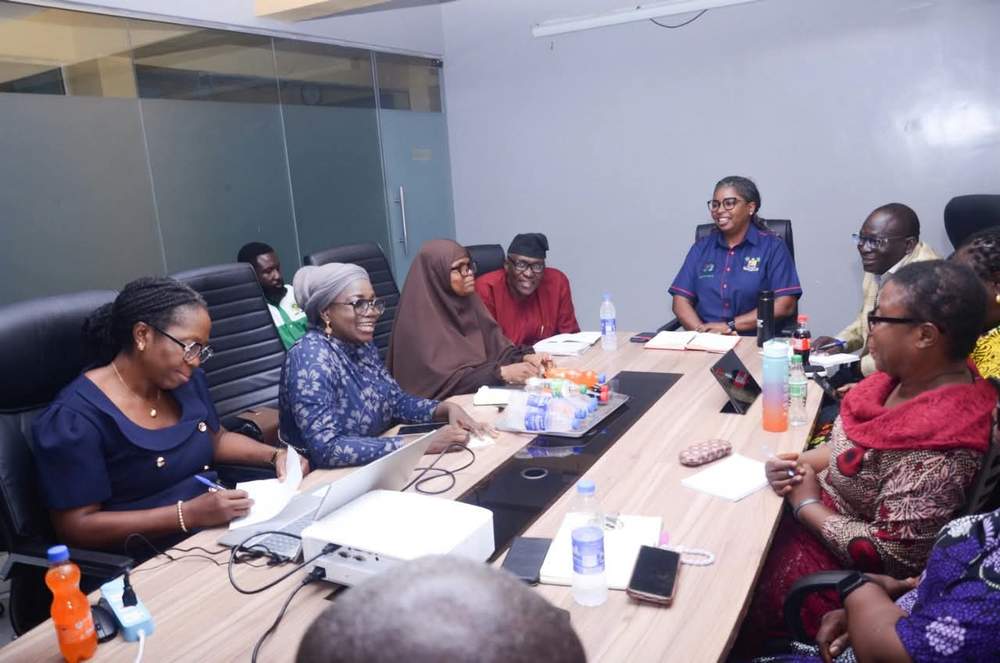
Attorney-General and Commissioner for Justice Lawal Pedro responded by convening an emergency stakeholders’ meeting the next day. Representatives of both associations, the police, the Ministry of Physical Planning and Urban Development, the Lagos State Task Force and other agencies attended. By the close of the meeting, clear directives had been issued.
“The Attorney-General directed the immediate release of anyone still in detention in connection with the incident,” said Grace Alo, Director of Public Affairs at the Ministry of Justice. “Police personnel stationed at the estate’s entrance will remain there for an initial period of one week to provide security and maintain public order. The judgment creditors have also been directed to suspend the movement of trucks into the estate for the same period so that the government can explore a sustainable solution to the access challenges.”
Alo added that a further stakeholders’ meeting would be held at the end of the one-week cooling-off period to present the government’s proposed resolution. “All parties were urged to maintain peace, exercise restraint and refrain from any action capable of heightening tensions,” she said.
A senior police officer involved in the deployment, who spoke on condition of anonymity because he was not authorised to comment publicly, confirmed that officers had been sent to the scene solely to prevent a breakdown of law and order. “Our presence was necessary once the situation at the gate threatened public safety,” the officer said. “We will remain on ground for the period directed by the state government to ensure that peace is sustained while discussions continue.”
For residents, the government’s swift action marked a welcome shift. “We woke up on Thursday morning still anxious about what might happen next,” said Mrs. Funke Adeyemi, a resident of more than fifteen years. “When we heard that those arrested had been ordered released and that the trucks would be stopped for a week, it felt as if someone in authority had finally listened. We are not opposed to the court judgment, but forcing heavy vehicles through our residential streets creates real fear for families and children.”
Another resident, Mr. Tunde Okoro, echoed the sentiment while standing near the gated entrance that had become the flashpoint. “The intervention has calmed nerves. People can go about their normal activities again without wondering whether another confrontation is coming. We hope the government uses this week to find an access arrangement that respects both the rights of the judgment creditors and the peaceful character of our estate.”
Officials framed the measures as a careful balance between upholding the rule of law and protecting public order. The one-week suspension of truck movements and the continued police presence are intended to create space for a lasting solution rather than allow tensions to escalate further.
As Magodo returns to relative quiet, residents say they are watching closely for the outcome of the next stakeholders’ meeting. For now, the release of those arrested, the temporary halt to truck movements and the visible commitment of the state government have restored a measure of confidence that dialogue, rather than confrontation, will shape the way forward.