Lagos Residents Face Cooking Gas Price Concerns As Senate Raises Alarm Over Inadequate LPG Supply
By Sherif Salau

Lagos households may face continued pressure from high cooking gas prices as the Senate raises concerns over inadequate Liquefied Petroleum Gas (LPG) supply, warning that shortages could undermine efforts to make the essential fuel more affordable for Nigerians.
The Senate Committee on Gas Resources on Wednesday expressed deep concern that the current shortfall in LPG supply could undermine ongoing efforts to make cooking gas more affordable for Nigerians. The warning came during a stakeholders’ meeting focused on export revenue remittances and the state of domestic gas availability.
Senator Jarigbe Jarigbe, chairman of the committee and senator representing Cross River North, underscored the urgency of the situation. “We are already working for Nigerians here, for our people, and that’s why we want to get to the root of it,” he said after the session. “And we’ll make sure that the price of gas goes down, because when there is adequate supply in response to demand, the price will naturally go down.”
Jarigbe noted that the prevailing supply constraints run counter to the objectives of Presidential Executive Order 9, issued in February 2026 to prioritise domestic gas availability, improve revenue remittances and reduce costs for consumers. The committee has pledged to deepen engagement with key industry players, including Chevron, the Nigerian Upstream Petroleum Regulatory Commission and the Nigerian National Petroleum Company Limited, to identify bottlenecks and expand volumes available for local use.
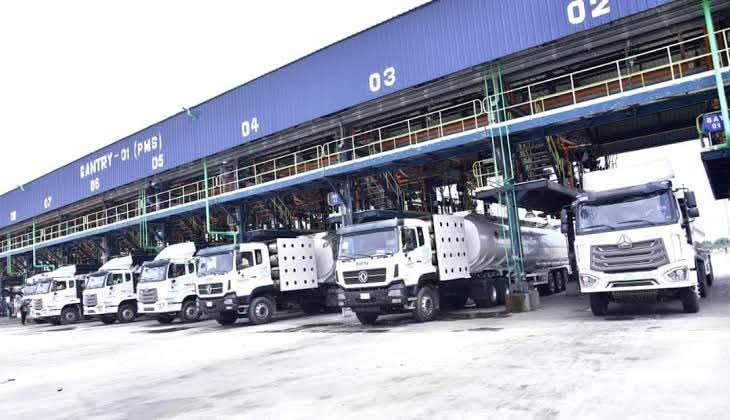
Officials at the meeting highlighted infrastructure limitations and logistical challenges that hinder the movement of offshore LPG into the domestic market. These constraints, they said, have contributed to persistent tightness despite increases in local production in recent months.
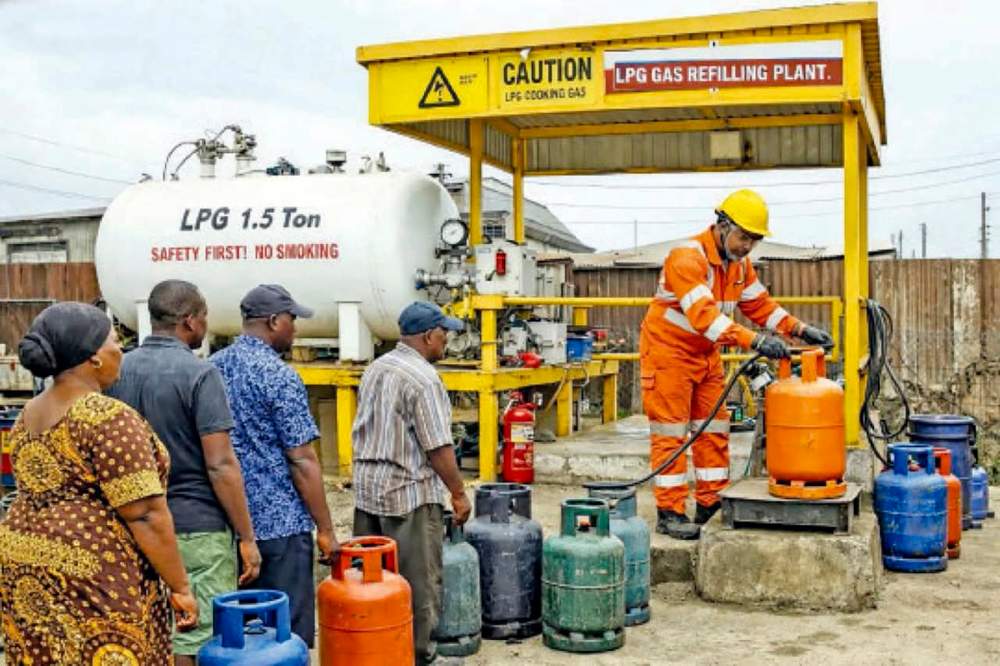
In Lagos, the impact is tangible. Retail prices for cooking gas have remained elevated in many neighbourhoods, with consumers frequently paying between ₦1,600 and ₦1,800 per kilogramme, and higher in some locations. A standard 12.5kg cylinder refill can exceed ₦20,000, prompting many households to reduce consumption, purchase smaller quantities or explore alternative cooking fuels.
Marketers have pointed to distribution inefficiencies and the gap between producer and retail prices as additional pressures on the market. While depot rates have shown some movement, the full benefit has yet to reach many end users consistently.
The Senate’s intervention injects fresh political weight into calls for improved domestic allocation. Further discussions with stakeholders are scheduled in the coming days, raising expectations that practical steps may follow to ease supply constraints.
For Lagos residents managing household budgets under sustained cost pressures, the outcome of these efforts will determine whether relief arrives at the refill stations or remains confined to the corridors of the National Assembly.