Lagos Targets Family Replacement Donors for Voluntary Blood Donation Drive
Lagos Targets Family Replacement Donors for Voluntary Blood Donation Drive

Government trains healthcare workers to turn emergency donors into regular life-savers
The Lagos State Government has intensified efforts to bridge the gap between emergency blood donations and voluntary blood supply by targeting family replacement donors as a major source of regular blood donors.
The initiative seeks to encourage individuals who donate blood only when relatives, friends or loved ones require transfusion to embrace voluntary blood donation as a regular commitment to saving lives.
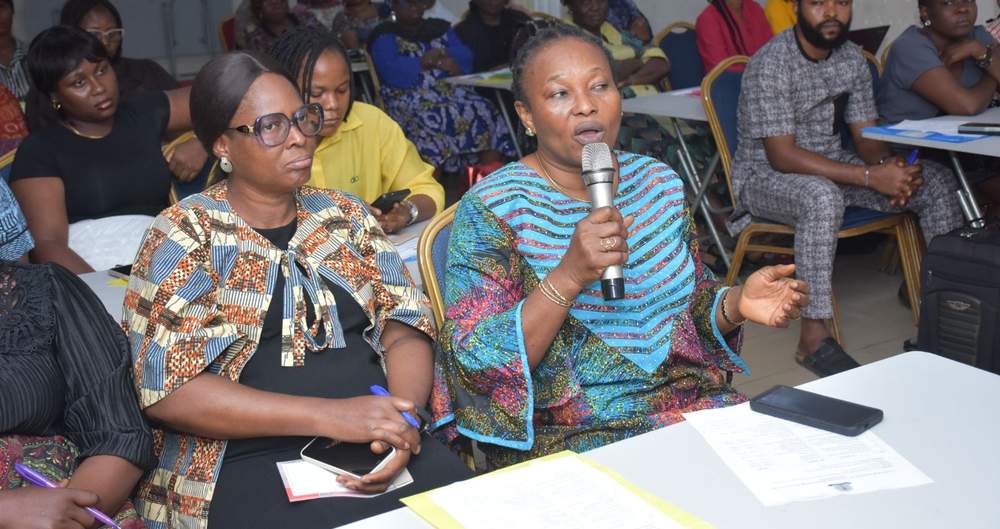
The strategy formed the focus of a capacity-building programme organised by the Lagos State Blood Transfusion Service (LSBTS) for healthcare professionals across public health facilities in the state.
The training, held on Friday, November 13, 2026, at the Lagos Chamber of Commerce and Industry (LCCI), Alausa-Ikeja, was themed, “Beyond Family Replacement: Building a Culture of Voluntary Blood Donation.”
Speaking at the programme, the Executive Secretary of LSBTS, Dr. Bodunrin Osikomaiya, said the government was determined to reduce dependence on emergency-driven blood donations by building a sustainable pool of voluntary donors.
She explained that many people who donate blood in hospitals do so because a family member, friend or loved one needs transfusion, adding that such donors represent an important opportunity for expanding the voluntary donor base.
According to her, healthcare workers who interact with these individuals during donation processes are strategically positioned to persuade them to become regular donors rather than waiting until another medical emergency arises.
Osikomaiya said participants were drawn from general and state hospitals across Lagos, particularly nursing officers in Obstetrics and Gynaecology units and medical laboratory personnel working in hospital blood banks.
She noted that the training would equip them with the communication and advocacy skills required to educate donors, encourage repeat donations and promote voluntary blood donation within their respective communities.
The Executive Secretary also highlighted the government’s interventions to encourage voluntary blood donation, including the designation of January every year as a month for intensified donor mobilisation.
Other incentives include the distribution of souvenirs and food items to appreciate voluntary donors, as well as the establishment of modern blood donation centres at General Hospital, Gbagada, and General Hospital, Odan-Lagos.
She further identified efforts to strengthen the Lagos State Accident and Emergency Centre’s capacity to receive blood donors as part of the broader strategy to ensure a reliable supply.
Emphasising the importance of voluntary donation, Osikomaiya said blood could not be manufactured and must therefore be collected and stored ahead of emergencies.
She urged residents to make blood donation a regular humanitarian responsibility rather than waiting until hospitals or relatives urgently request it.
Also speaking, the Medical Director of the Lagos State Accident and Emergency Centre (LASEAC), Dr. Olumuyiwa Odusote, described blood availability as indispensable to emergency medical services and the centre’s commitment to saving lives.
He disclosed that the centre regularly organises blood donation campaigns in private companies, government establishments, ministries and motor parks to expand the pool of voluntary donors.
Odusote said the centre also partners with LSBTS for the storage and management of blood collected during its donation drives, describing the collaboration as essential to ensuring that donated blood is available when needed.
Some participants, including the Director of Medical Laboratory Services at General Hospital, Ikorodu, Adegoke Adenike, and the Assistant Director of Nursing Services at Lagos Island Maternity Hospital, Mrs. Rhoda Shobande, commended the initiative.
They said the training had strengthened their capacity to educate donors, recruit new volunteers and retain existing donors.
The participants pledged to translate the knowledge gained into practical action in their respective hospitals by intensifying donor education and encouraging family replacement donors to become regular voluntary blood donors.
The initiative underscores the need to move blood donation beyond emergency appeals to a sustainable culture of voluntary giving, where healthy individuals donate regularly to ensure that patients have access to safe blood whenever the need arises.