IGP Disu Orders Lagos, Other Hospitals To Treat Gunshot Victims Without Police Clearance
By Sherif Salau

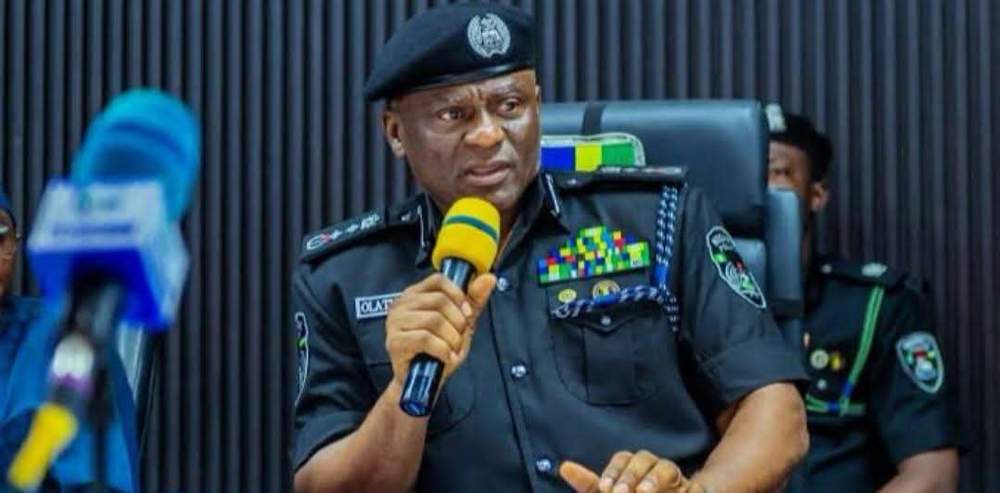
Lagos residents and other Nigerians could receive faster emergency medical attention as the Inspector-General of Police (IGP), Olatunji Disu, directs hospitals nationwide to treat gunshot victims immediately without demanding a police report, reinforcing the priority of saving lives over bureaucratic procedures.
Speaking on Thursday at the launch of a nationwide campaign in Abuja, Disu stressed that no victim of a gunshot injury should face harassment, delay or denial of treatment on account of police procedures.
“We have consistently directed our officers that no victim of gunshot injury shall be subjected to harassment, delay or denial of medical care on account of police procedure,” he said. “Saving lives must take precedence over paperwork and protection of the victim remains the overriding priority. This campaign is therefore timely and aligns with the renewed commitment of the force to professionalism, community partnership and respect for human rights in the discharge of our constitutional mandate under Section 4 of the Police Act 2020.”
The campaign, organised by the National Orientation Agency in partnership with the International Committee of the Red Cross, seeks to raise public awareness of the Compulsory Treatment and Care for Victims of Gunshot Act, 2017. The law, signed by former President Muhammadu Buhari, requires every hospital—public or private—to admit and treat gunshot patients immediately, whether or not a police report is presented. Hospitals are expected to notify the nearest police station within two hours of receiving a patient, but treatment itself cannot be withheld.
Disu noted that the Nigeria Police Force has consistently instructed its officers not to interfere with emergency medical care. He framed the campaign as part of a broader commitment to professionalism, community partnership and respect for human rights.
The directive addresses a long-standing and often tragic problem. Despite the 2017 law, many hospitals have continued to refuse or delay treatment for fear of police involvement or liability. Families have recounted cases in which critically injured people bled out while relatives scrambled for police documentation. In Lagos, a city that sees frequent incidents of armed robbery, cult clashes and accidental shootings, such delays have drawn particular public anger.
Medical practitioners and civil society groups have repeatedly called for stricter enforcement. The law also places a duty on every person, including security agents, to assist gunshot victims and ensure they reach the nearest hospital without delay. It further prohibits police from questioning patients until a chief medical director certifies they are fit.
For many Nigerians, the latest statement from the police hierarchy offers renewed hope that the gap between legislation and practice may finally narrow. Whether hospitals and frontline officers fully comply will determine if more lives are saved in the critical hours after a shooting. The message from the Inspector-General is clear: when someone is bleeding from a gunshot wound, the first response must be medical, not bureaucratic.