Lagos Residents Hope For Better Water Supply As Sanwo-Olu Government Renews Commitment At COP31
By Sherif Salau

Lagos residents may be edging closer to improved access to clean and reliable water as the state government renews its commitment to strengthening water supply infrastructure, with the pledge reiterated at the 31st United Nations Climate Change Conference (COP31) in Turkey.
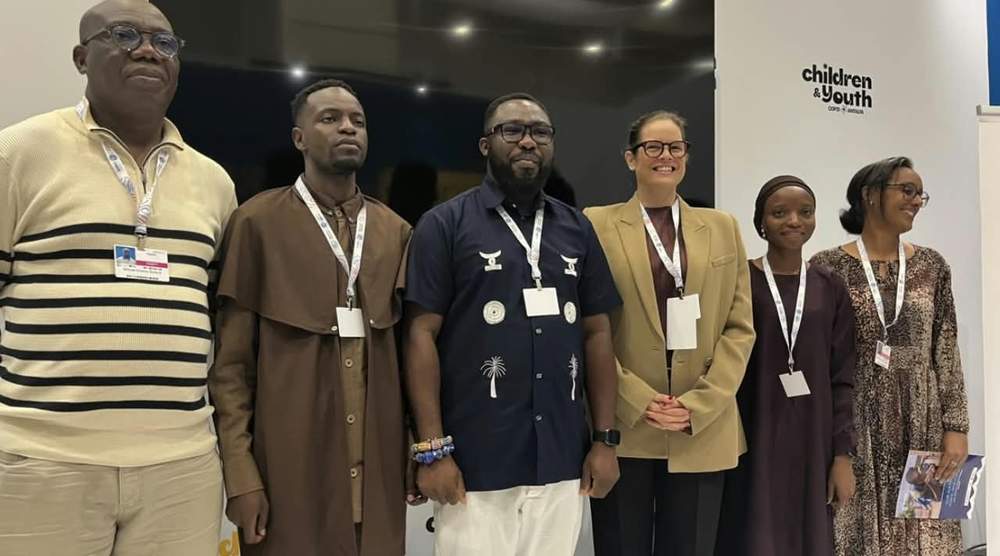
Michael Bankole, director of climate change and environmental planning at the Lagos State Ministry of Environment, delivered the message on Thursday during a side event organised by the Green Africa Youth Organisation and the Children’s Investment Fund. Speaking on the theme “Water Stress in a Changing Climate: From Youth Evidence to Actionable Solutions for Africa,” Bankole said the government was intensifying work to fix long-standing delivery challenges and improve residents’ access to safe water.
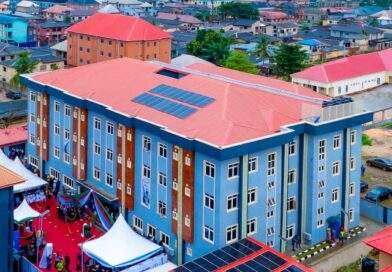
He noted that construction had already begun on the Akilo water project, with additional mini-water schemes expected to start soon. These initiatives, he explained, form part of broader efforts to strengthen the water sector and ease daily hardships. Vandalism of infrastructure remains a persistent obstacle, Bankole added, and the administration is taking steps to curb it.
The renewed pledge comes against a backdrop of chronic shortages. The Lagos Water Corporation currently reaches only a fraction of the state’s population—estimates put direct network coverage at around 8 percent—leaving the majority reliant on boreholes, wells or commercial water sellers. Many households report spending tens of thousands of naira each month on water alone, a burden that compounds other cost-of-living pressures.
Major projects continue in parallel. The Adiyan Phase II waterworks, designed to deliver 70 million gallons per day once completed, remains a centrepiece of the state’s long-term strategy. Officials have also advanced public-private partnership (PPP) arrangements aimed at rehabilitating existing facilities and expanding the distribution network. Earlier rehabilitations, such as the Akilo mini-waterworks, have already brought some relief to surrounding communities, serving tens of thousands of residents through household connections and public kiosks.
Residents and community groups have long called for faster progress. While government statements emphasise steady investment and partnerships, the gap between installed capacity and actual daily demand remains wide. Ageing pipes, power constraints and rapid population growth continue to limit reliable supply in many neighbourhoods.
At COP31, Lagos is also positioning water security within a larger climate investment agenda, seeking international partners for infrastructure that can withstand environmental stresses. For ordinary Lagosians, however, the test will be practical: whether the renewed commitments translate into more consistent flow from taps rather than continued dependence on expensive alternatives. The government’s latest assurances at the global climate talks have raised expectations; delivery on the ground will determine whether those hopes are met or not.