Lagos Residents Set To Benefit As AI Promises Faster Emergency Response, Better Disaster Protection
By Sherif Salau

Lagos residents could benefit from faster emergency responses and better disaster preparedness as Artificial Intelligence (AI) begins to reshape how authorities receive distress reports, assess threats and make critical decisions to protect lives and property. That is the gap the Lagos State Emergency Management Agency (LASEMA) is now trying to close with artificial intelligence.
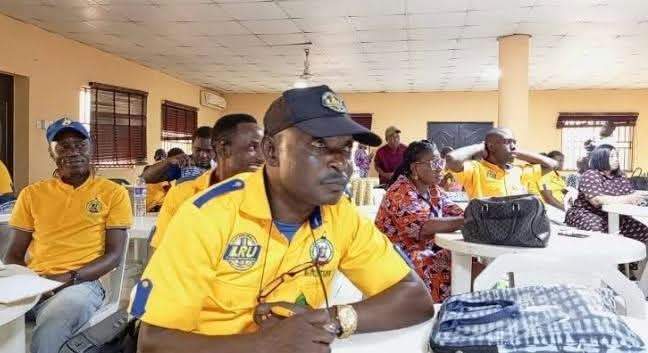
LASEMA brought its officers together at the Lagos Chamber of Commerce and Industry for a one-day training programme focused on the practical use of AI in emergency operations. The session, themed “Introduction to Artificial Intelligence in Emergency Response,” introduced participants to tools that can speed up report writing, improve incident documentation, assist with scene analysis and support clearer communication with the public and other agencies.
According to a statement from the agency, the training was designed to equip personnel with the skills needed “to produce real-time operational reports, improve response coordination and communicate more effectively with stakeholders during emergencies.” Facilitator Amao Oluseyi Bamidele guided participants through tools for writing, image generation, data analysis and communication, with particular attention given to crafting effective prompts and verifying the accuracy of AI-generated content.
LASEMA said the exercise formed part of its broader efforts “to build staff capacity and modernise emergency management in Lagos.” The agency reaffirmed its commitment to “continuous capacity building and the adoption of modern technology to improve emergency management and ensure prompt, efficient and life-saving responses across Lagos State.”
Although the technology has not yet been fully integrated into operational systems and no specific deployment timeline has been announced, the direction is clear. By helping officers process information more quickly and produce clearer reports under pressure, AI is expected to reduce delays that can hinder the deployment of ambulances, fire services and rescue teams.
The initiative builds on earlier digital reforms, including the Lagos Emergency Responder Management System, which already incorporates AI elements to verify emergency calls and reduce false alarms. Residents can still report incidents through multiple channels, including the state’s toll-free lines, 767 and 112.
For ordinary Lagosians living with the persistent risks of flooding, fires and road accidents, the potential benefit is straightforward: faster and more accurate information flow should translate into quicker and more coordinated help. Whether that promise is fully delivered will depend on how effectively the new skills and tools are applied when real emergencies arise.
As LASEMA continues to explore artificial intelligence, the agency is signalling that the future of emergency management in Lagos will rely as much on smart systems as on the dedication of the men and women who respond to the call.