Lagos Students Set For Smarter Learning As Classrooms Embrace Technology Beyond Computers
By Sherif Salau

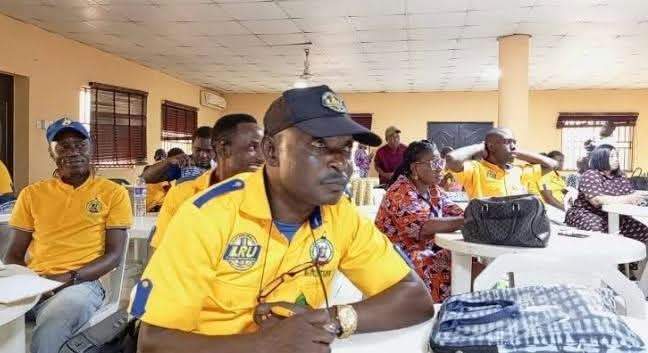
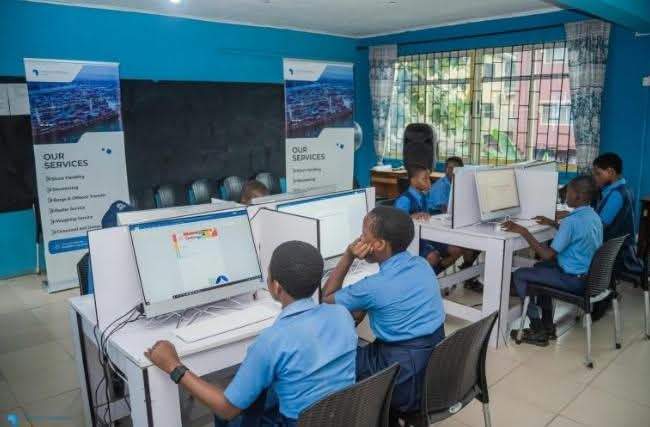
Lagos is opening a new chapter in education as students stand to benefit from technology-driven classrooms that promote creativity, practical skills and innovative learning beyond simply having computers in schools. In classrooms at Government Senior College, Agege, and St George’s U.N.A. Primary School in Lagos, students no longer wait for the next textbook or chalkboard lesson. They open digital platforms, interact with artificial intelligence tools, and continue learning long after the school bell rings—without worrying about data costs.
This shift is the visible result of a growing partnership between UNICEF, Airtel Africa and the Federal Government of Nigeria. A joint delegation recently visited schools and youth programmes in Lagos, and later held engagements in Abuja, to assess how free digital learning is expanding access, strengthening teaching and creating pathways from the classroom to skills and livelihoods.
The partnership has connected nearly 2,000 schools across the country, reaching about one million students and more than 20,000 teachers. Over 19,000 of those teachers have already received digital literacy training. Key platforms—including the Nigeria Learning Passport, the Federal Ministry of Education’s Inspire and Ignite platforms, the Digital National Education Management Information System, and the Youth Agency Marketplace (YOMA)—have been zero-rated. Students and teachers can access them without incurring mobile data charges. The Nigeria Learning Passport alone now has more than 2.5 million registered students and nearly 100,000 registered teachers.
At Yaba College of Technology, young people demonstrated how Passport to Earning and YOMA are building digital, employability and entrepreneurship skills while opening doors to mentorship, internships and livelihood opportunities.
UNICEF Deputy Representative in Nigeria, Rownak Khan, underscored the broader purpose of the collaboration. “Access to free digital learning not only bridges the digital divide but also brings children and young people closer to the knowledge, skills and opportunities they need to shape their and country’s future,” she said. “Our partnership with Airtel and the Government of Nigeria is supporting teachers and creating pathways from learning to earning. Girls, children with disabilities and those in underserved communities must be among the first to benefit.”
Garreth Spillane, Chief of Staff to the Chairman of Airtel Africa and a Foundation committee member, pointed to the practical impact of connectivity when it is purposefully directed. “Connectivity brings transformative opportunities when it helps students access quality digital learning and enables teachers to use digital tools effectively, as we’ve seen demonstrated so ably here in Nigeria,” he said. “Working with UNICEF and governments, we will continue to connect schools, remove data-cost barriers through zero-rated learning platforms and support teachers across the continent.”
Minister of State for Education, Professor Suwaiba Sa’idu Ahmad, emphasised that technology alone is not enough. Transforming the education sector, she noted, requires partnerships that align with government priorities and the real needs of learners. The government remains committed to strengthening teachers’ capacity, expanding access to quality digital content, protecting children online, and ensuring digital learning reaches every child, wherever they live.
Students are already noticing the difference. Tosin Adeola, head girl at Government Senior College, said the Nigeria Learning Passport has helped her peers revisit classroom lessons at home, grasp difficult topics more easily and improve their study habits.
The Lagos visits and Abuja discussions reaffirmed a shared understanding: connectivity, quality content, teacher training, inclusive design, stronger data systems, child online safety and sustainable financing must advance together. Across 13 African countries, the five-year Airtel Africa–UNICEF partnership has already connected more than 3,000 schools, zero-rated more than 60 learning platforms and reached more than 2.5 million children.
In Lagos classrooms today, the conversation has moved beyond the simple presence of computers. Through the coordinated efforts of UNICEF, Airtel Africa and the Nigerian government, technology is being woven into daily teaching and learning—giving students tools that extend far beyond the school walls and opening clearer routes from learning to earning.